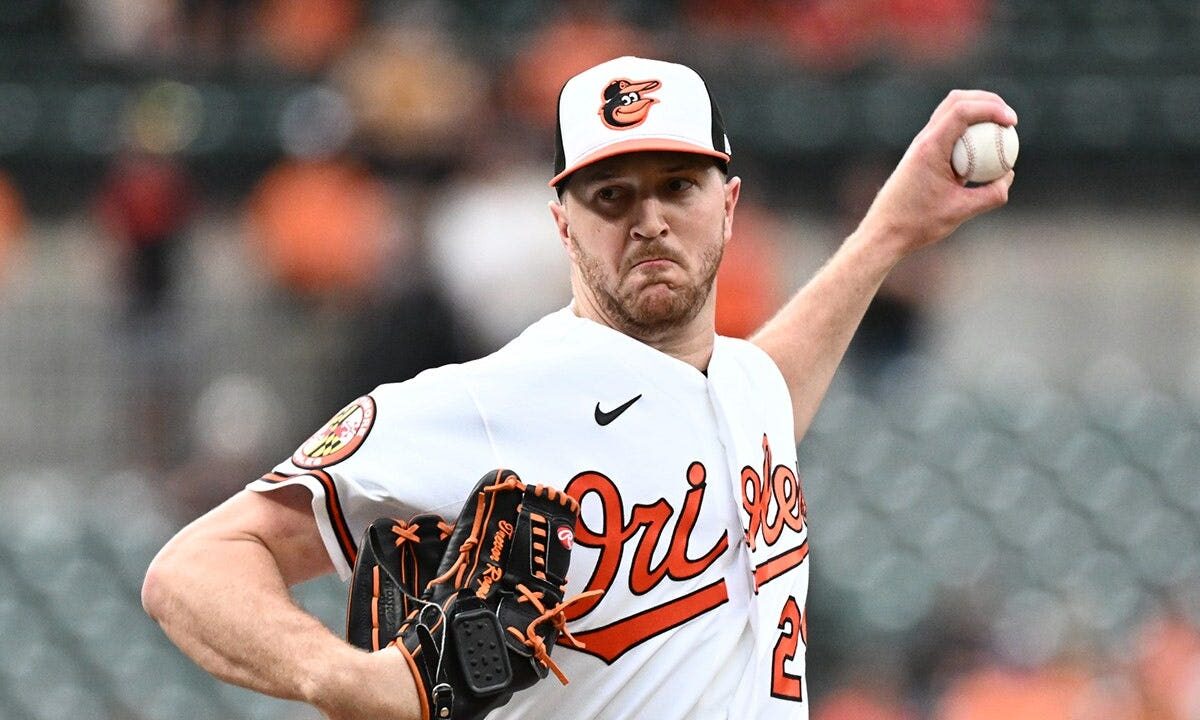
Trevor Rogers has tunneled into a better run than his season-long numbers indicate, and the clean play from a betting perspective is to back Rogers and the Baltimore Orioles in his next start. Rogers’ season line (6-7, 4.70 ERA, 1.32 WHIP) looks middling, but the recent profile — allowing just seven earned runs over his past 35.2 innings — provides a short-term edge worth targeting if the market underprices the improvement (Source: Fox News).
Trevor Rogers recent form
Rogers’ full-season metrics show a 6-7 record, a 4.70 ERA and a 1.32 WHIP, and he has posted a 5.02 ERA at home this year — data points that make some bettors shy away (Source: Fox News). That said, the short-term run is the betting angle: allowing seven earned runs across his last 35.2 innings indicates a sustained stretch of lower-run outings that isn’t captured by cumulative averages.
Why that matters: betting markets move on surface ERA and season aggregates, but short-term form can create exploitable mispricings when a starter reduces walk rate, increases strikeout share, or limits hard contact. The cited piece also notes that Cubs hitters have produced 12 hits in 48 at-bats versus Rogers in head-to-head matchups, which suggests limited volume against him despite some contact (Source: Fox News).
David Peterson struggles and matchup
David Peterson’s first start with the Cubs was a red flag: he surrendered 10 earned runs on nine hits across 3.2 innings, an outing that should temper confidence until there’s evidence of correction (Source: Fox News). Small-sample splits show Orioles hitters a collective .139 against Peterson in limited plate appearances; that number alone isn’t decisive, but the combination of a heavy run allowed and the visible blowup argues for a cautious approach toward Peterson-targeted bets.
From a matchup standpoint, Peterson’s home/road splits and recent command issues make him more vulnerable to an organized offense on a neutral or favorable day. That makes fading Peterson a reasonable short-term strategy in single-game markets until he demonstrates steadier outcomes.
Game matchup and betting angle
Put together, Rogers’ improved recent run and Peterson’s shaky debut tilt the matchup toward a limited backing of Baltimore. The Cubs have displayed inconsistent stretches this season — including extended winning and losing runs — which points to a roster still prone to variance rather than steady production (Source: Fox News).
Rotation availability has been an issue for Chicago this year, and personnel churn can increase the chance of short-term starts where a veteran or hot-handed starter outperforms his season numbers. Given that setup, the practical market plays are a conservative moneyline on Baltimore or a modest spread/alternate run line where +EV exists.
Recommended primary bet: back the Orioles on the moneyline with a 1–2 unit stake, or take a small-to-moderate spread if the price improves expected value. If lines are tight, consider waiting for first inning or live-market edges after seeing who’s available in the Cubs bullpen.
Pete Crow-Armstrong player prop idea
Pete Crow-Armstrong has been in good form recently, and short-term hitting streaks can translate to player-prop value. The Fox News coverage highlights his hot stretch and presence in the lineup, giving bettors a secondary angle to target (Source: Fox News).
Prop approach: favor small allocations on Crow-Armstrong in reach-base or hits markets when odds reflect his short-term uptick; avoid oversized exposure because regression risk is high on streak-driven props. Props are best used as flavor plays alongside the primary game bet.
Staking, betting risk and quick conclusion
Stake sizing: make the Rogers/Orioles moneyline a conservative core stake (1–2 units) and reserve 0.25–0.5 units for supporting props (Crow-Armstrong or first-inning on-base). If you find an alternate line with stronger edge (+1.5 to +2 runs), a slightly larger unit can be justified, but keep the portfolio balanced to manage variance.
Risks to monitor: short-sample volatility (even excellent short runs can end abruptly), Peterson’s ability to rebound from a poor start, and in-game factors such as bullpen usage, weather, and park influences that can change the matchup dynamic. Treat this as a measured play with a clear stop-loss threshold and avoid chasing after large single-game exposures.
Bottom line: back Trevor Rogers and the Orioles as the primary play given Rogers’ recent run and Peterson’s early struggles, and consider a small player-prop on Pete Crow-Armstrong while he remains hot. Keep stakes modest and track the matchup/weather/bullpen info before locking larger wagers.
Source attribution
Primary source for stats and game context: Fox News / OutKick coverage of Trevor Rogers and the Orioles-Cubs matchup (https://www.foxnews.com/outkick-sports/orioles-send-trevor-rogers-bet-back-hot-streak-mound). All numeric season and short-term figures in this article are attributed to that coverage.
Betting risk disclaimer: Sports betting involves financial risk. Information here is for informational purposes and not financial advice. Bet responsibly.
Quick FAQ
Should I bet on Trevor Rogers in this start?
Yes, as a short-term, conservative play based on his recent stretch (seven earned runs over 35.2 innings) and current matchup pricing. Use small units because season-long metrics remain middling (6-7, 4.70 ERA, 1.32 WHIP) (Source: Fox News).
Is David Peterson a reliable fade right now?
Given his 10-run, nine-hit 3.2-inning outing to start with the Cubs, fading Peterson in the short term is sensible until he shows more consistent results (Source: Fox News).
What player props make sense for Pete Crow-Armstrong?
Back Crow-Armstrong in modest size on hits or on-base props while he’s on a hot streak; keep these as secondary bets to the main moneyline or spread play (Source: Fox News).