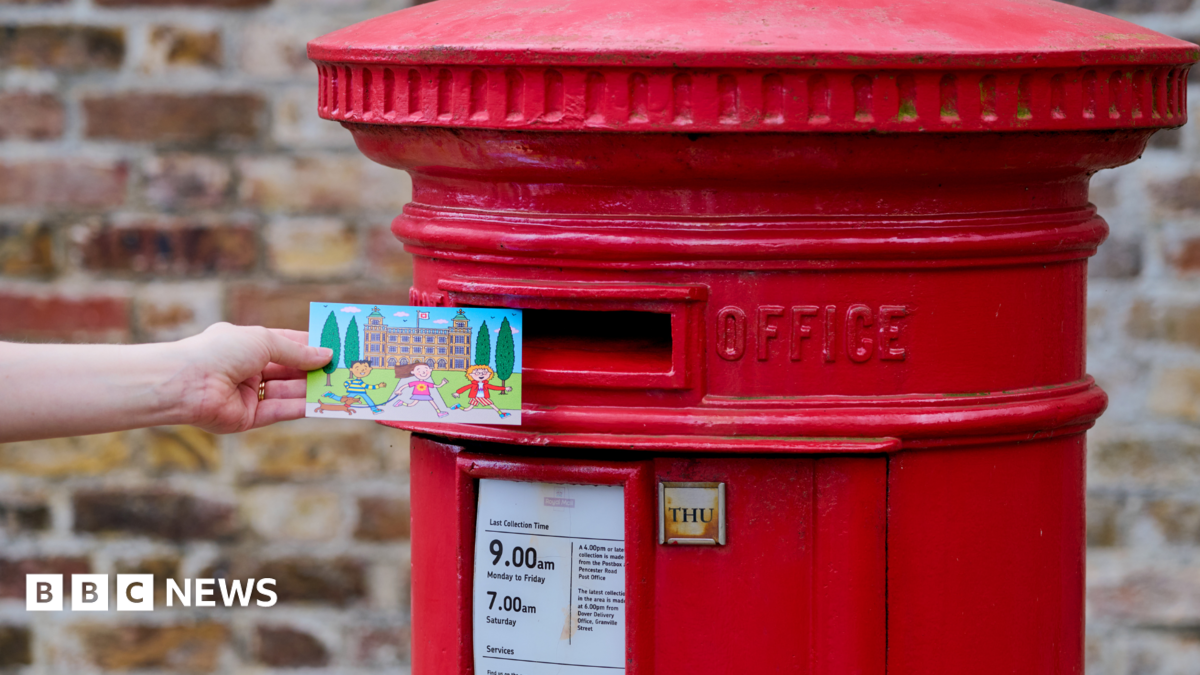
More than half of people in Britain say they never send postcards, according to a OnePoll survey reported by BBC News – Entertainment & Arts. That finding, short and stark, points to a small but visible change in how people mark trips and holidays.
The OnePoll result, carried in the BBC report, does not claim to be a full sociological study. It is a snapshot: a survey result that suggests postcards are no longer the commonplace travel ritual they once were for many people.
What the OnePoll survey found on postcards
The BBC’s Entertainment & Arts coverage summarised a OnePoll questionnaire done in June: more than half of those polled said they never send postcards. The phrasing repeated in media coverage has been that a majority, in this sample, do not use postcards.
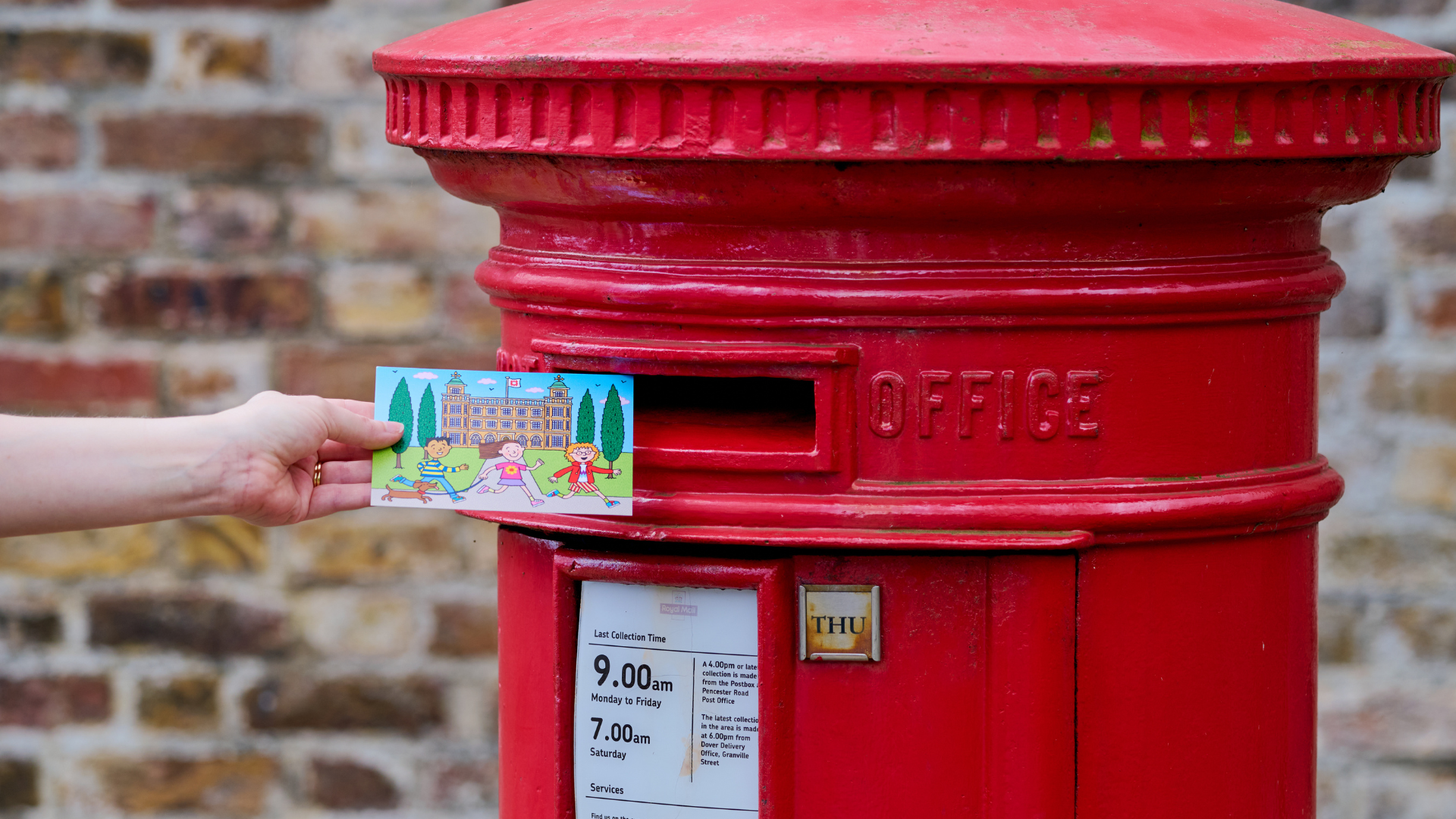
That simple headline matters because postcards were for decades a routine, compact way to tell friends and family you were thinking of them while away. The OnePoll finding suggests that habit has weakened, even if the exact level of decline across all of Britain is not fully mapped by the published report.
Why fewer people are sending postcards
Several straightforward causes explain the shift.
First, technology. Smartphones, instant messaging and social apps let travellers share images and updates immediately. A holiday snap can be sent the moment it’s taken; many people prefer the instant reply to the delay of paper mail.
Second, cost and convenience. Writing and posting a postcard takes time, and when abroad it can mean buying foreign stamps or finding a postbox. For those on short breaks especially, stopping to buy and address a card can feel like an extra chore.
Third, travel patterns and culture have changed. Shorter stays, domestic breaks and city weekends are more common than the long continental summers of older generations. Younger people who spent their formative years online may never have formed the postcard habit at all.
What this shift means for British culture
Postcards are small cultural objects: a curated picture, a brief handwritten note and a physical trace of being somewhere. Their decline is a narrow example of broader changes in how Britain shares and archives everyday life.
In many seaside towns, postcards were once an obvious part of the tourist landscape. Fewer cards on sale and fewer sent means less of that visual and economic presence for small shops and designers who produced them.
But the change is uneven. Some collectors, older correspondents and particular communities still prize tactile mail. The decline in one medium does not erase all analogue habits, it shifts which groups keep them alive.
How to keep the postcard tradition alive
If you want to revive the habit without making it a nuisance, small adjustments help.
-
Buy locally: pick up cards from independent shops, galleries or market stalls. It supports small traders and gives your postcard a local image.
-
Write a line or two: treat the card as a short, thoughtful note rather than a full letter. People appreciate something handwritten more than a long essay.
-
Plan postage: ask hotel desks or tourist information where to post cards and which stamps you need. That saves time hunting for postboxes.
-
Mix analogue with digital: post a physical card for keepsakes, and add a quick photo to a private message for anyone who wants instant updates.
-
Make it a ritual: set aside five minutes on the last day of a trip to write and post cards — it turns a lingering task into part of the holiday routine.
Limits of the survey and what we don’t know
The OnePoll headline is useful but limited. The BBC report notes the result came from a OnePoll survey carried out in June, but public accounts do not include full methodological detail such as sample size, weighting or how respondents were recruited.
Without that information it is hard to know how representative the finding is of the entire British population. Online surveys can skew towards particular demographic groups and self-reported habits sometimes differ from what people actually do.
So the OnePoll result should be read as an indicator rather than conclusive proof that postcards are disappearing everywhere in Britain. It flags a likely trend and gives a prompt for deeper study, not a final tally.
Practical next steps for readers
If you care about postcards as a small, tangible form of communication, there are low-effort ways to keep them in circulation: choose a single contact who prefers a card; collect a few local cards on holidays to swap with friends; or support local printers who still produce regionally themed designs.
These choices won’t reverse broad social change, but they keep a modest cultural practice alive where people still value it.
“More than half of Brits that OnePoll surveyed in June report they never send postcards,” the BBC reported, summarising the survey finding.
Source: OnePoll, via BBC News – Entertainment & Arts.