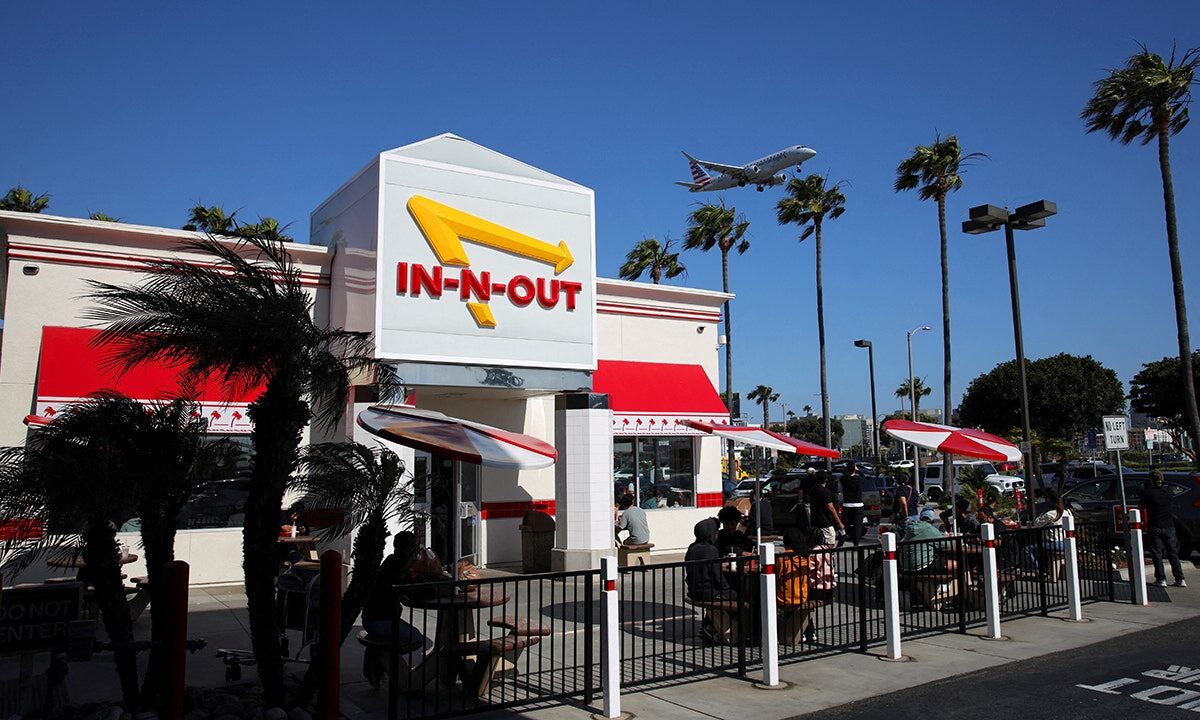
The Culver City Council has approved a 45-day moratorium that halts new permits for drive-thru facilities while city staff draft a potential drive-thru ban. The moratorium — recommended by the city’s mobility subcommittee — takes immediate effect and prevents the issuance of permits for new drive-thru restaurants during the review period, giving staff time to prepare ordinance language and analysis for the full council.
What the council did
On a recent vote the Culver City Council enacted a 45-day moratorium prohibiting issuance of permits for new drive-thru restaurants. The mobility subcommittee voted to ask staff to draft a citywide drive-thru ban and the moratorium is intended to pause approvals while planners develop options, impact findings and possible exemptions. The moratorium is temporary and procedural: it pauses permitting while staff prepare a recommend draft ordinance for council consideration; any permanent restriction would require a later council vote.
Drive-thru ban details
The draft approach discussed by staff is focused on new construction: a citywide drive-thru ban would apply to businesses seeking to build drive-thru lanes and related facilities going forward. Culver City already bans drive-thrus in its downtown district, and the proposal under consideration would extend limitations citywide for new projects while leaving existing drive-thru businesses generally intact. City staff have emphasized the proposal is intended to prevent future drive-thru construction rather than to force changes at operating locations.
In-N-Out proposal and site specifics
The immediate catalyst for the moratorium was plans for an In-N-Out restaurant in Culver City. A city staff report described the proposed site as including 61 parking spaces and a drive-thru lane with capacity for about 26 vehicles; staff noted it would be the first new drive-thru in the city since 1997. City officials told LAist reporters that In-N-Out had not submitted a formal permit application at the time the moratorium was adopted; the chain declined additional comment beyond its standard public statement.
Community views and concerns
Neighbors, local organizers and business advocates offered a range of views during council and public meetings. Opponents of the proposed In-N-Out described the project as likely to increase vehicle traffic, worsen local air quality and raise safety concerns for pedestrians and bicyclists. Those claims were presented as community concerns and observations cited in LAist coverage and public comment, rather than as established findings.
Vanessa Martin, an organizer opposing the project, told LAist the neighborhood wanted to be “proactive and smart about” development, asking the city to weigh multimodal safety and long-term livability. Councilmember Bubba Fish, who serves on the mobility subcommittee, framed the question as a trade-off between auto-oriented uses and a vision for safer, more walkable and bikeable streets: “drive-thrus are the antithesis of that,” Fish said in public comments reported by LAist.
Industry groups and some residents pushed back, stressing the role drive-thrus play in convenience and access. The California Restaurant Association (CRA) has consistently argued in similar local debates that drive-thru restrictions can disproportionately reduce options for people who rely on drive-up services, including customers with mobility challenges and families with young children. CRA representatives have urged cities considering bans to weigh accessibility and consider targeted exemptions.
City staff and some advocates acknowledged these access concerns and signaled that any draft ordinance could explore narrowly tailored exemptions or alternatives to ensure that people with disabilities and other vulnerable groups retain reasonable access. Those accommodations would be part of the policy choices the council must weigh when staff present a draft.
How Culver City compares to other California cities
Culver City’s deliberation follows a broader pattern in California. Cities such as Santa Barbara and San Luis Obispo have long-standing citywide bans on drive-thru facilities. Elsewhere, municipalities have moved in different directions: Carlsbad recently eased a decades-old citywide ban to allow conditional, case-by-case approvals for new drive-thrus; San Diego saw a partial drive-thru restriction debated in 2021 that raised similar accessibility and traffic trade-offs.
Those examples illustrate a spectrum of local policy choices — from total bans to selective allowances — that other councils have used to balance traffic, air quality, pedestrian safety and business needs. National and planning analyses are routinely cited in these debates: the American Planning Association has highlighted the commercial importance of drive-thru ordering, noting estimates that roughly 70% of fast-food sales come through drive-thru channels, a data point often raised by business advocates during local policy discussions.
What comes next
Under the council’s timeline, staff have up to 45 days to draft ordinance language, environmental and traffic analyses and recommended exemptions or conditional rules for the council to review. That draft will be the basis for public hearings; the City Council would need to hold hearings and vote to adopt any permanent drive-thru ban or alternative code changes.
If staff present an ordinance, councilmembers could weigh narrower rules (for example, bans only in certain zones), explicit accessibility exemptions, or other mitigating measures. If the council declines to adopt a permanent change, permitting for new drive-thrus would resume once the moratorium expires.
FAQ
Who would the drive-thru ban affect?
Any citywide drive-thru ban under consideration would apply to new businesses seeking to build drive-thru facilities. Existing drive-thru locations and businesses generally would not be retroactively forced to close under the draft approach being discussed.
How long is the moratorium and what does it do?
The moratorium lasts 45 days and pauses issuance of permits for new drive-thrus while staff draft ordinance language and supporting analyses for the council’s review.
Would a ban limit access for people with disabilities?
Advocates for accessibility and industry groups have warned that strict limits on drive-thrus can reduce convenient access for people who rely on drive-up services. The CRA and others have pressed cities to consider exemptions or alternative accommodations; whether those appear in Culver City’s final language will depend on staff recommendations and council action.
Sources
Reporting on the moratorium and public comments was informed by coverage from Fox Business and LAist. Key reporting includes:
- Fox Business: California city pushes drive-thru ban after neighbors sounded alarm over burger chain’s proposed addition
- LAist coverage cited in council reporting and public comments (LAist reporting and staff quotes referenced by local officials) — LAist: https://laist.org
- American Planning Association (data on drive-thru sales and planning context): https://www.planning.org