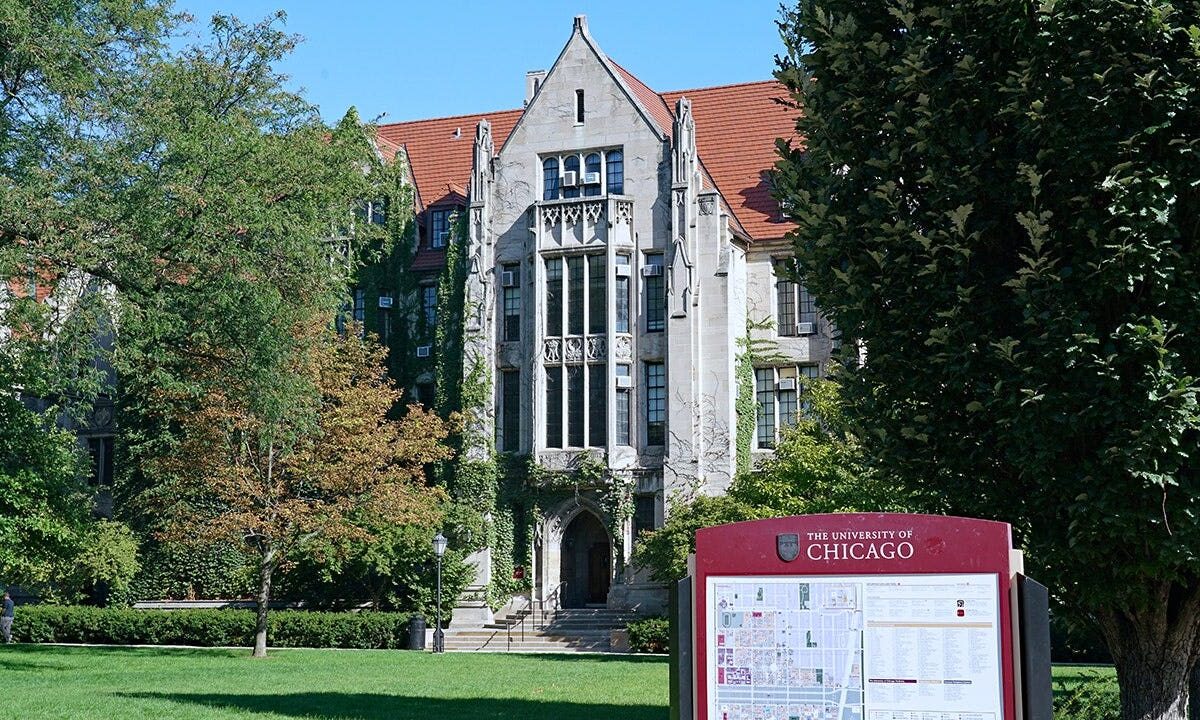
The University of Chicago laptop and phone ban for first-year law students will take effect this fall, administrators said. The policy bars first-year students from using phones, tablets and laptops in class as part of a broader effort to limit reliance on artificial intelligence in coursework.
School officials framed the change as part of a three-part strategy to build AI-resilient pedagogy, promote essential human skills and teach responsible, ethical use of AI. The law school said it developed the approach after a year of consultation with students, faculty, law-firm leaders and legal-technology executives.
Key facts: the University of Chicago laptop phone ban law students need to know
What administrators announced: first-year law students will be barred from using personal phones, tablets and laptops during in-class sessions. The restriction is intended to reduce classroom use of generative AI and ensure core legal skills are taught directly.
The policy is scheduled to begin this fall and represents one element of the law school’s AI strategy, according to the school’s statement.
How the classroom ban will work and exceptions
Professors will have discretion over classroom practices and will designate classroom scribes to take notes for groups in lieu of personal device use. Instructors may permit devices for specific, approved tech activities.
- Personal phones, tablets and laptops are not allowed during in-class instruction for first-year sections.
- Professors will name classroom scribes to record notes for students during class.
- Electronic devices may be allowed for approved activities such as in-class polling or assigned demonstrations.
- Faculty retain authority to authorize device use for particular educational needs or accessibility accommodations.
AI policy and rules for coursework
The law school’s plan says students may use AI as a tool for research and drafting but may not have AI generate submitted assignments on their behalf. Any suspected use of AI to complete coursework will be subject to faculty review.
The school also plans upper-level electives on AI in legal practice and said it will redesign assessments and pedagogy to remain meaningful as technology evolves.
Administration rationale and key quotes
“We need to ensure that our students actually learn to think critically, strategically, and independently without relying on AI; but we also must face the reality that AI tools are already widely available to our students, and our graduates will be expected to be prepared to use them in legal practice.”
“With AI disrupting higher education, our commitment to rigorous legal education also must mean openness to even rapid adaptation. A willingness to rethink our practices is consistent with our law school’s long history of innovation.”
The school described the policy as a balance between protecting core human skills and preparing students to use AI responsibly in practice.
Practical enforcement questions and likely outcomes
Administrators said the change follows broad consultation, but the statement provided limited detail on enforcement. The school noted that suspected improper use of AI in assignments will be reviewed by faculty, but specific penalties or monitoring methods were not outlined.
Near-term outcomes may include adjusted assessment design, more faculty review of submitted work, and additional instruction to help students distinguish acceptable from unacceptable AI assistance. The school emphasized its approach may adapt rapidly as tools and needs change.
Observers will watch how the scribe system operates in practice, how accessibility exceptions are handled and whether enforcement leads to new academic-integrity disputes. Administrators framed these as open implementation questions rather than settled results.
What comes next
The law school said it sought feedback from students, faculty, law-firm leaders and legal-tech executives while developing the policy. Officials indicated they are open to rapid adaptation as tools and needs evolve.
Source: University of Chicago Law School statement summarized from reporting by Fox News Digital. Full source: https://www.foxnews.com/media/ai-backlash-reaches-major-university-bold-ban-laptops-phones-students
How the policy plays out could affect classroom assessment and the law school’s approach to AI; officials say they will adapt implementation as needed.
FAQ
Who is covered by the device ban and when does it start?
The ban applies to first-year law students in classroom settings and is slated to begin this fall, according to the school’s statement.
Can students use AI at all for assignments?
Students may use AI as a research or drafting tool but may not have AI generate their submitted work. Any use of AI to complete assignments will be reviewed by faculty.
How will professors enforce the ban and exceptions?
Professors will designate classroom scribes and control when devices are permitted for specific activities like in-class polling. The statement does not detail precise enforcement mechanisms or penalties beyond faculty review of suspected misuse.