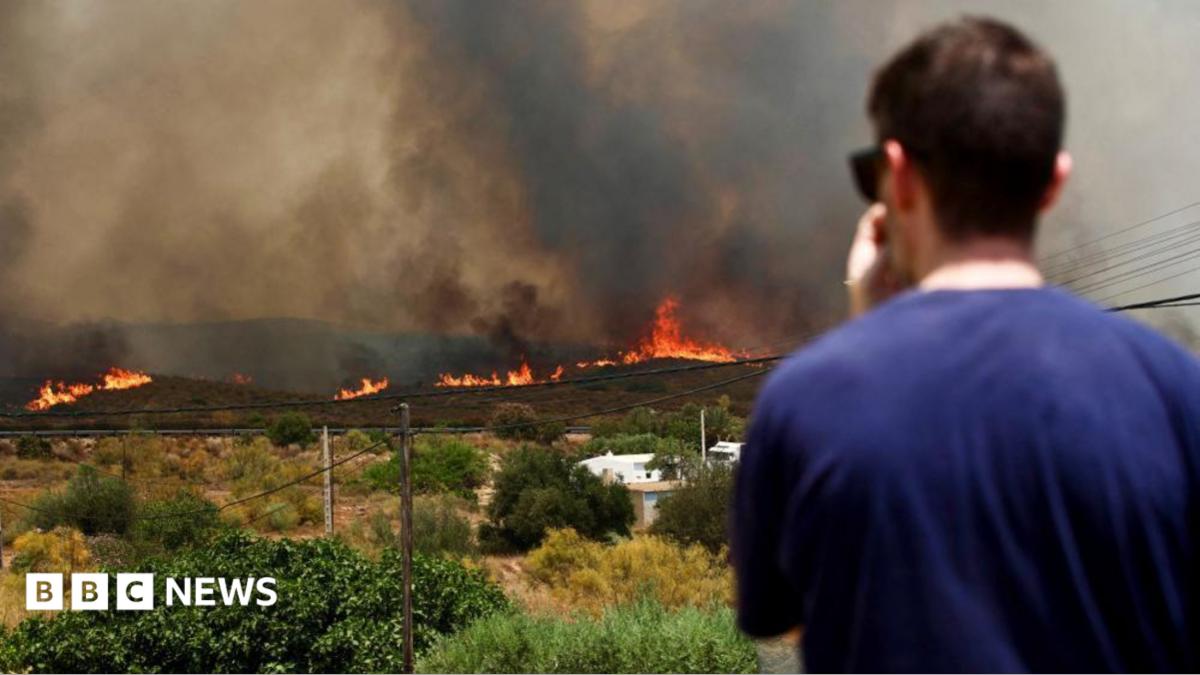
A fast-moving Spain wildfire forced holidaymakers from beaches and resorts on 10 July 2026, with witnesses telling the BBC they grabbed a change of clothes, jumped into cars and fled through smoke and flames.
The BBC published its report on 2026-07-10. Early coverage described the blaze as “deadly”; any reports of casualties remain unverified and no independent confirmation of deaths was available in the BBC article.
What happened in the Spain wildfire
According to BBC reporting, a large fire broke out in a coastal, holiday-populated area of Spain on 10 July 2026. Dry vegetation and hot, windy conditions helped flames spread rapidly from rural slopes toward built-up leisure zones and access roads.

Initial media accounts and local witnesses described chaotic scenes as the blaze moved into areas used by visitors. The BBC quoted witnesses and early official statements that used the word “deadly” to describe the scale of the event in early coverage; the term reflects those early descriptions rather than an independently verified casualty count.
Fire services and emergency crews were mobilised to protect residents and tourists, with resources focused on stopping the fire reaching denser settlements and on organising evacuations. Investigations into the cause were expected to follow once it was safe for authorities to assess affected areas.
Eyewitness accounts and immediate escape
Several holidaymakers gave vivid first-hand descriptions of their escapes. “Really frightening, unbelievably quick,” one visitor told the BBC, describing how flames and drifting embers cut off familiar routes and reduced reaction time.
Many people said they had only time to take a small bag or a change of clothes before leaving. Groups bundled into cars, some with children and pets, and headed away from the smoke-filled coast. Drivers described visibility rapidly worsening as ash and thick smoke reduced sightlines on roads that are usually busy in summer.
Witnesses described the scene as chaotic but said many acted quickly to leave when they saw flames approaching. Quick decisions and immediate movement away from the fire likely reduced exposure for many, though officials cautioned that full assessments of harm and damage would take time.
Evacuations, local response and transport disruption
Local authorities issued evacuation notices for the worst-affected zones and set up temporary reception centres for displaced people. The word “evacuation” featured in early public statements as officials prioritised moving visitors and residents to safety.
Roads in and out of popular holiday spots became congested as many attempted to leave simultaneously. Emergency services reported delays on some main arteries while crews worked to clear routes and enable firefighting access.
Authorities advised people to follow official instructions, avoid the affected area and use alternative routes where possible. Temporary shelters and local municipal services were activated to help those who could not immediately return to lodgings or family homes.
Transport disruption also affected bus and coach services serving the tourist belt, and airport and port operators monitored the situation for possible delays. Travellers with imminent departures were advised to contact carriers and check official travel notices.
Why this matters for travelers and public safety
Wildfires can change direction and speed quickly, especially under hot, dry, and windy conditions. For holidaymakers, this incident underlines the need to stay alert to local warnings, to have an evacuation plan, and to be prepared to leave with minimal notice.
Practical steps include keeping phones charged, saving local emergency numbers, knowing more than one exit route from accommodation, and packing a small bag with essentials. Following official instructions reduces the risk to both evacuees and the emergency personnel trying to contain the fire.
Clear communication from authorities and prompt movement by people in affected areas are critical to limiting harm and easing the work of first responders. Visitors should not return to evacuated areas until officials confirm it is safe.
What happens next?
Firefighting teams will continue suppression and containment efforts while municipal authorities assess damage and co-ordinate recovery for residents and visitors. Investigations into the cause and the full human and environmental impact will take place once conditions allow.
Officials typically publish updates on road closures, evacuation lifts and shelter arrangements as the situation evolves. Travellers in the wider region should monitor local media and official channels for real-time guidance.
Source attribution
Source: BBC News — Really frightening, unbelievably quick’: Witnesses describe fleeing deadly Spain wildfire. The BBC published its report on 2026-07-10. Early coverage described the blaze as “deadly”; any reports of casualties were not independently verified in that BBC article and remain unconfirmed pending official confirmation.