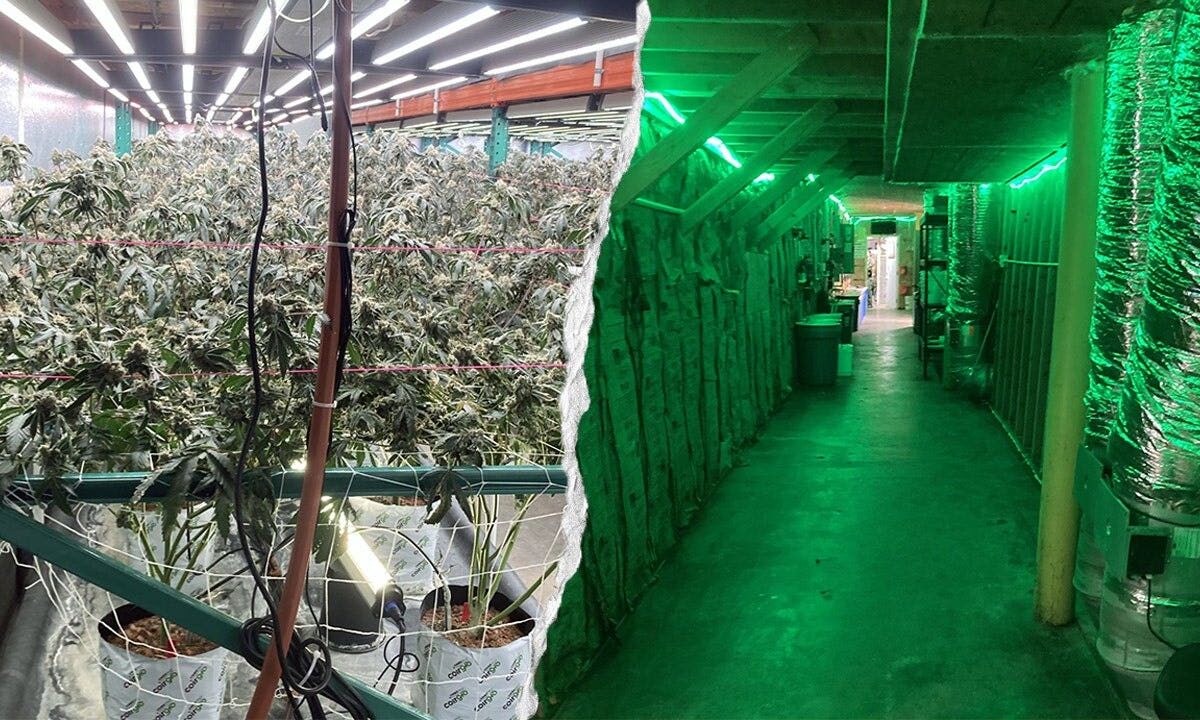
California officials announced a major illegal cannabis seizure after a three-month, multiagency crackdown that removed more than 63,000 pounds of unlicensed cannabis from the market. The operation, conducted between April and June, spanned 10 counties and resulted in 24 arrests, authorities said.
The statewide enforcement effort also eradicated over 89,000 cannabis plants, uncovered firearms and seized cash, and documented pesticide and environmental violations at multiple cultivation sites, according to agency statements. Officials characterized the sweep as part of ongoing efforts to disrupt unlawful cultivation, but agency statements — not independent verification — form the basis of claims about organized criminal networks tied to some operations.
What officials seized and where: illegal cannabis seizure totals
State and local agencies reported seizing more than 63,000 pounds of illegal cannabis — a haul officials estimate at roughly $104 million in street value. The enforcement actions took place across 10 California counties between April and June, with investigators saying they eradicated more than 89,000 plants during the operation.
Authorities reported confiscating 17 firearms and seizing more than $220,000 in cash. A total of 24 people were arrested or cited over the three-month operation, officials said. Those totals and other figures come from public statements and a news report summarizing agency releases.
Largest operation in the southern Central Valley and Antelope Valley
The single largest enforcement push ran from May 14 to June 3 and was focused on the southern Central Valley and northern Antelope Valley. The California Department of Fish and Wildlife led a multiagency effort that served 26 search warrants in Tulare, Kern and Los Angeles counties, the agency said.
During that concentrated sweep, investigators said they eradicated nearly 24,000 plants and destroyed about 3,700 pounds of processed cannabis. Kern County accounted for the biggest individual seizure: authorities reported confiscating more than 25,000 pounds of illegal cannabis there, valued at roughly $41.5 million, and destroying 26,442 plants.
Alameda County was also cited in related enforcement actions, with officials reporting more than 14,500 pounds of illegal cannabis seized in that area.
Public safety and environmental risks uncovered
Investigators described several public-safety and environmental hazards at illegal grow sites. The California Department of Fish and Wildlife reported finding banned, unregistered or foreign-labeled pesticides at 13 cultivation sites during the operation. Agency statements say those pesticides threaten wildlife and contaminate waterways.
Authorities also noted dangerous site conditions, including booby traps, unsecured firearms and evidence of unauthorized diversion of water. Officials cautioned that illegally produced cannabis does not go through the regulated testing and safety checks required in the legal market, creating potential consumer and environmental risks.
“Investigators routinely find restricted pesticides at illegal grow sites, which can harm wildlife and public safety,” California Department of Fish and Wildlife Director Meghan Hertel said.
Officials have attributed some operations to organized criminal activity based on investigatory findings; those characterizations are drawn from law enforcement statements and have not been independently verified by this outlet.
Why it matters
State officials say large-scale illegal grows drive environmental damage, undermine licensed businesses and pose consumer-safety risks because products from illicit operations are not subject to testing. The crackdown aligns with California’s enforcement priorities under the Unified Cannabis Enforcement Task Force, created during Gov. Gavin Newsom’s administration to coordinate state and local action against unlicensed cultivation and related criminal activity.
By targeting large illegal grows, officials aim to reduce environmental contamination, remove illegal weapons from circulation and protect the legitimate cannabis market. Those goals are the stated objectives in agency releases and public comments from state leaders.
What comes next and enforcement outlook
Investigations stemming from the raids are ongoing. Authorities said arrests and citations will be followed by case development, potential prosecutions and site remediation to address environmental harms. Agency statements indicate evidence will be used in criminal and civil enforcement actions where appropriate.
Since 2022, officials say the Unified Cannabis Enforcement Task Force has seized and destroyed more than 841,000 pounds of illicit cannabis as it continues to coordinate multiagency activity statewide. The task force combines resources from fish and wildlife officers, local law enforcement and other state agencies for targeted sweeps where evidence of illegal cultivation is found.
By the numbers
- 63,000+ pounds of illegal cannabis seized (estimated $104 million)
- 89,000+ cannabis plants eradicated
- 24 arrests reported
- 17 firearms confiscated and $220,000+ seized in cash
- Largest single-area sweep: May 14–June 3 (Tulare, Kern, Los Angeles counties)
- Since 2022: 841,000+ pounds seized and destroyed by the Unified Cannabis Enforcement Task Force
Source attribution
Reporting and figures in this article are based on statements and releases from the California Department of Fish and Wildlife and related agency and law enforcement briefings. California Department of Fish and Wildlife Director Meghan Hertel is cited in agency material describing pesticide and environmental concerns.
Original reporting: Fox News — California seizes 63,000 pounds of illegal cannabis worth $104 million in major crackdown.
Frequently asked questions
What was seized in the operation?
Authorities reported more than 63,000 pounds of illegal cannabis and the eradication of over 89,000 plants across 10 counties, plus processed product removed and destroyed during targeted sweeps.
Were any arrests or weapons found?
Yes. Officials said 24 people were arrested or cited during the three-month operation, and investigators confiscated 17 firearms and more than $220,000 in cash.
Do seized products pose health risks to consumers?
State officials warned that illegally grown cannabis is not tested for safety and that banned or unregistered pesticides found at some sites can threaten wildlife and potentially pose consumer health risks. Those warnings reflect officials’ public-safety concerns; they do not constitute independent proof of consumer illness.