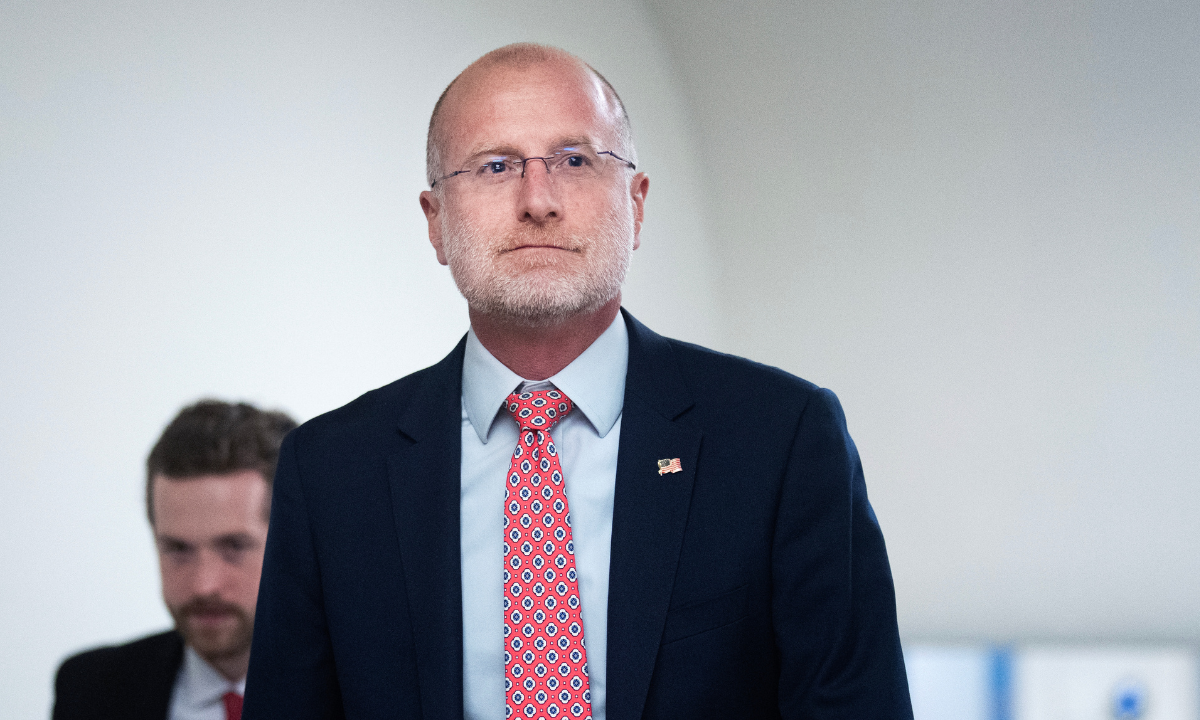
The View’s on-air discussion of the Maine Senate race — including co-host Sunny Hostin’s on-air plea that Democrats “flip the Senate” — has prompted public criticism from FCC Chair Brendan Carr and a formal petition from ABC asking regulators to treat the program as a news interview show.
The View segment and on-air calls
During a June broadcast, co-host Sunny Hostin said, “We’re in an existential crisis. We need to flip the Senate,” while discussing the status of Maine candidate Graham Platner. That comment was made amid a broader panel exchange in which co-hosts debated whether Platner should remain in the race; the campaign has denied the allegations reported about him, and participants repeatedly framed those matters as allegations.
Other co-hosts offered pointed commentary. Alyssa Farah Griffin criticized Democratic vetting processes, Sara Haines urged that a candidate step aside in light of the reporting, and Joy Behar referenced contested reporting about a tattoo when arguing for Platner’s exit. Whoopi Goldberg warned that parties need stronger candidate vetting before asking voters for support. The program mixed strategic political commentary about flipping a Senate seat with evaluative judgments about an individual candidate; those judgments were described on air as responses to allegations reported by news organizations.
ABC petition and KTRK filing
In May, ABC and KTRK-TV — ABC’s Houston-owned station — filed a petition with the FCC’s Media Bureau asking the agency to declare The View a “bona fide news interview program.” In the filing, the network asked that The View be treated under the statutory exemption that applies to recognized news interview programs, an exemption ABC likened to longstanding programs such as Meet the Press.
ABC’s petition argues that applying renewed scrutiny to The View’s format would chill newsroom and editorial decision-making and that the request is consistent with prior agency treatment of established news interview programming. The network framed the petition as an effort to resolve a regulatory question about format and function, not as a change in how the show is produced.
ABC also emphasized First Amendment considerations, arguing in the filing that government intervention into editorial determinations could raise free-expression concerns. The petition explicitly analogizes The View’s role in public discourse to that of other interview-based programs historically recognized by the agency, asking regulators to apply the same exemption here.
FCC response and Brendan Carr reaction
FCC Chair Brendan Carr took to X to mock ABC’s request, saying the network was effectively asking regulators to treat a partisan daytime panel like a conventional news interview program. Carr’s post underscored the tension between opinionated daytime commentary and the legal designation ABC seeks.
The FCC’s Media Bureau confirmed to the Associated Press that KTRK-TV and ABC submitted the petition in May and that the filing has been made public. An agency spokesperson told the AP that broadcasters should focus on “complying with [their] public interest obligations, rather than misleading the public about them,” a comment the AP attributed to a Media Bureau representative.
The exchange set up a conspicuous public disagreement between a major network and the agency charged with enforcing broadcast rules, highlighting how debates over format and partisan commentary can become regulatory flashpoints.
Why this matters for broadcast rules
The core legal question concerns the FCC’s equal opportunity rule, intended to prevent broadcasters from giving unfair advantages to one candidate over another during election campaigns. Programs classified as bona fide news interview shows are statutorily exempt from equal-opportunity requirements, a distinction that can affect when and how opposing candidates can demand time to respond.
ABC argues that recognizing The View as an exempt news interview program preserves editorial independence and avoids government micromanagement of newsroom choices. Critics counter that granting such an exemption to opinion-laden daytime programming could allow stations and networks to evade rules designed to ensure fairness in local electoral coverage.
Legal observers say the FTC’s decision here could set precedent for how the line is drawn between interview-based news programming and opinion or variety formats — a matter of continuing interest for broadcasters, campaign lawyers and media watchdogs.
What comes next for the FCC and The View
The Media Bureau’s public notice opens a procedural window for comment, review and potential staff recommendations before the full commission considers whether to accept an exemption or impose conditions. The timing typically allows interested parties to file comments and for staff to seek additional information from the parties involved.
ABC has warned in its petition and public statements that renewed scrutiny could chill editorial decisions. The FCC could respond by seeking more briefing, opening a notice-and-comment proceeding, or moving the matter to a higher level of agency review. Observers say the outcome may hinge on how closely commissioners tie the program’s mix of commentary and interviews to past precedents, including the treatment of programs like Meet the Press.
For now, The View continues to air while these procedural steps play out. The question of where opinion ends and news begins will remain central to the FCC’s consideration and to broader debates about broadcast obligations in election coverage.
Source attribution: The FCC Media Bureau filing is available here. Reporting from the Associated Press summarizing the petition and the agency response is here. Additional coverage referenced public commentary by FCC Chair Brendan Carr on X and reporting by Fox News about the broadcast segment: Fox News.