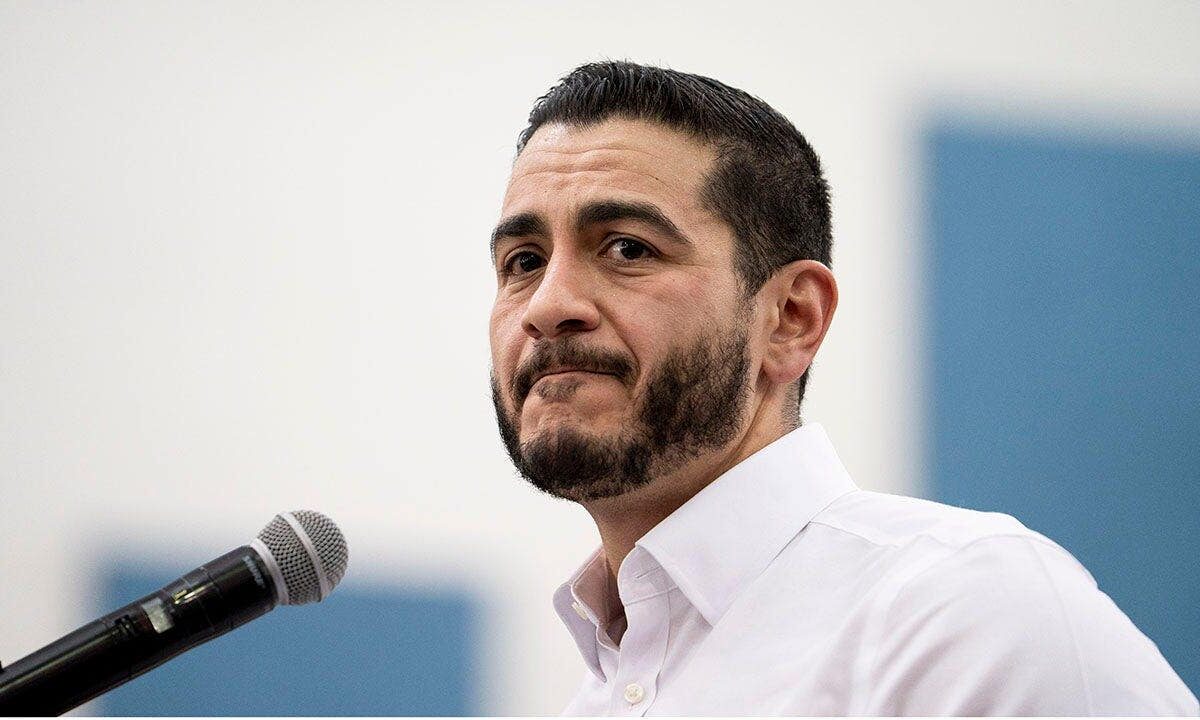
The physician title controversy centers on whether Abdul El‑Sayed’s use of clinical terminology in campaign materials and media coverage accurately reflects an active state medical license — a question raised in a Fox News opinion by Dr. Marc Siegel that drew on reporting about a Zeteo exchange with Mehdi Hasan. The Fox News piece argues the label has implications for credibility on health policy and urging voters to scrutinize how El‑Sayed is described.
Physician title controversy in Michigan race
The dispute is straightforward in form: critics say El‑Sayed has been presented as a “physician” despite reporting that he does not hold an active state medical license, while supporters point to his medical degree and public health leadership. Mehdi Hasan’s exchange on the Zeteo platform was cited in reporting that prompted Dr. Marc Siegel’s Fox News opinion piece, which framed the issue as more than semantics because it touches on voter trust and policy expertise.
El‑Sayed’s medical and public health credentials
Abdul El‑Sayed earned an MD from Columbia University College of Physicians and Surgeons and a doctorate in public health from Oxford. He served as Detroit’s health director and later led Wayne County’s Health, Human and Veterans Services Department. He has held academic appointments, including roles connected to public health education, and is the author of “Medicare for All: A Citizen’s Guide.”
Those credentials establish El‑Sayed as a physician by training and an experienced public health official. They do not, on their own, confirm whether he holds a current, active state medical license — the specific point critics emphasize when they object to the use of the label “physician” in contexts implying clinical practice.
What state licensing rules say about the title physician
State medical boards set regulatory definitions for professional titles. In many jurisdictions the title “physician” or related terms such as “Doctor of Medicine” are tied to licensure: the ability to practice medicine or surgery in that state.
That distinction matters because an academic degree (MD) and public health leadership differ from the legal authority to provide clinical care. The word “doctor” is broader and can apply to academic or research degrees, whereas regulators and licensing statutes often use “physician” to denote a licensed clinical practitioner.
Legal check: what reporting and public records show — and what remains to be verified
Opinion and reporting cited in the Fox News column assert that El‑Sayed did not hold an active state medical license at the time those reports were filed. Those reports rely on public-record checks and interviews. News and opinion pieces can highlight apparent discrepancies between how a candidate is labeled and what licensing databases show, but they are not the final authority.
Verification requires consulting the official state medical board registries that track license status. For a candidate based in Michigan with ties to New York and national academic roles, relevant registries include the Michigan Department of Licensing and Regulatory Affairs (LARA) Bureau of Professional Licensing and the New York State Education Department Office of the Professions. Those agencies maintain searchable license lookup tools and are the authoritative sources for current licensure.
Verification note: This article did not independently confirm El‑Sayed’s current active state medical license status at the time of publication. Editors and readers should confirm license status directly with the relevant state medical boards (for example, Michigan’s LARA and New York’s Office of the Professions) before treating any licensing claim as definitive.
How the dispute shapes voter trust and policy credibility
Labeling can shift the focus of a campaign. Opponents argue that styling a candidate as a “physician” without evidence of an active license can mislead voters about clinical experience and practical patient-care experience. Supporters say training and public health leadership provide relevant expertise for health policy debates like Medicare for All.
The Zeteo exchange — and the commentary that followed — shows how credential framing can become a proxy for broader questions about transparency and fitness for office. Voters weighing proposals such as Medicare for All may place different value on clinical practice versus public health leadership; clarity about titles and roles helps voters make that assessment.
Ultimately, the controversy underscores two facts voters can verify: what degrees and positions a candidate has earned, and whether a candidate holds a current, active state medical license. Campaigns and newsrooms that clearly label academic degrees, past clinical experience, and current licensure reduce the risk of confusion.
Source attribution and next steps
This analysis draws primarily on the Fox News opinion piece by Dr. Marc Siegel, which references reporting about a Zeteo interview with Mehdi Hasan and public-record checks of licensing databases. The original opinion piece is: “DR MARC SIEGEL: A Senate candidate’s medical title sparks a debate voters shouldn’t ignore” (Fox News Digital).
Readers and editors should consult official state medical board registries to confirm current license status before treating any licensing assertion as definitive. Public records and the licensing registries maintained by state authorities are the authoritative sources for licensure.
Source: Fox News Opinion by Dr. Marc Siegel — https://www.foxnews.com/opinion/dr-marc-siegel-senate-candidates-medical-title-sparks-debate-voters-shouldnt-ignore
FAQ
Does Abdul El‑Sayed currently hold a valid state medical license?
Reporting cited in the Fox News opinion indicates he did not hold an active state medical license at the time of those reports. Because licensing status can change, confirm current status with the appropriate state medical board registry before publishing or citing it as fact.
Is it wrong to call someone a physician if they have a medical degree but no license?
Regulatory norms vary by state. Many state boards reserve the title “physician” for licensed practitioners. Using the term without clarification can blur the difference between academic credentials and the legal authority to practice medicine.
How could this dispute affect El‑Sayed’s Senate campaign and voter trust?
The controversy may shift attention from policy debates to questions about transparency and titles. Voters and journalists often value clear, plain-language explanations of what qualifications mean; campaigns that explicitly state degrees, career roles, and current licensure can reduce misunderstandings.