England face Norway in a World Cup quarter-final on Saturday with Erling Haaland the clear focal point of Norway’s attack. Stopping the star striker will shape England’s tactical choices, from marking assignments to set-piece organisation.
This tactical roadmap sets out the match context, why Haaland is the main threat (per BBC Sport reporting), specific preparation options for England, and the matchups and scenarios most likely to decide the tie.
Match snapshot
England meet Norway in a World Cup quarter-final on Saturday, with a place in the semi-finals up for grabs. The tie contrasts England’s tendency to control possession and press in advanced areas with Norway’s attack built around a physically dominant centre-forward.
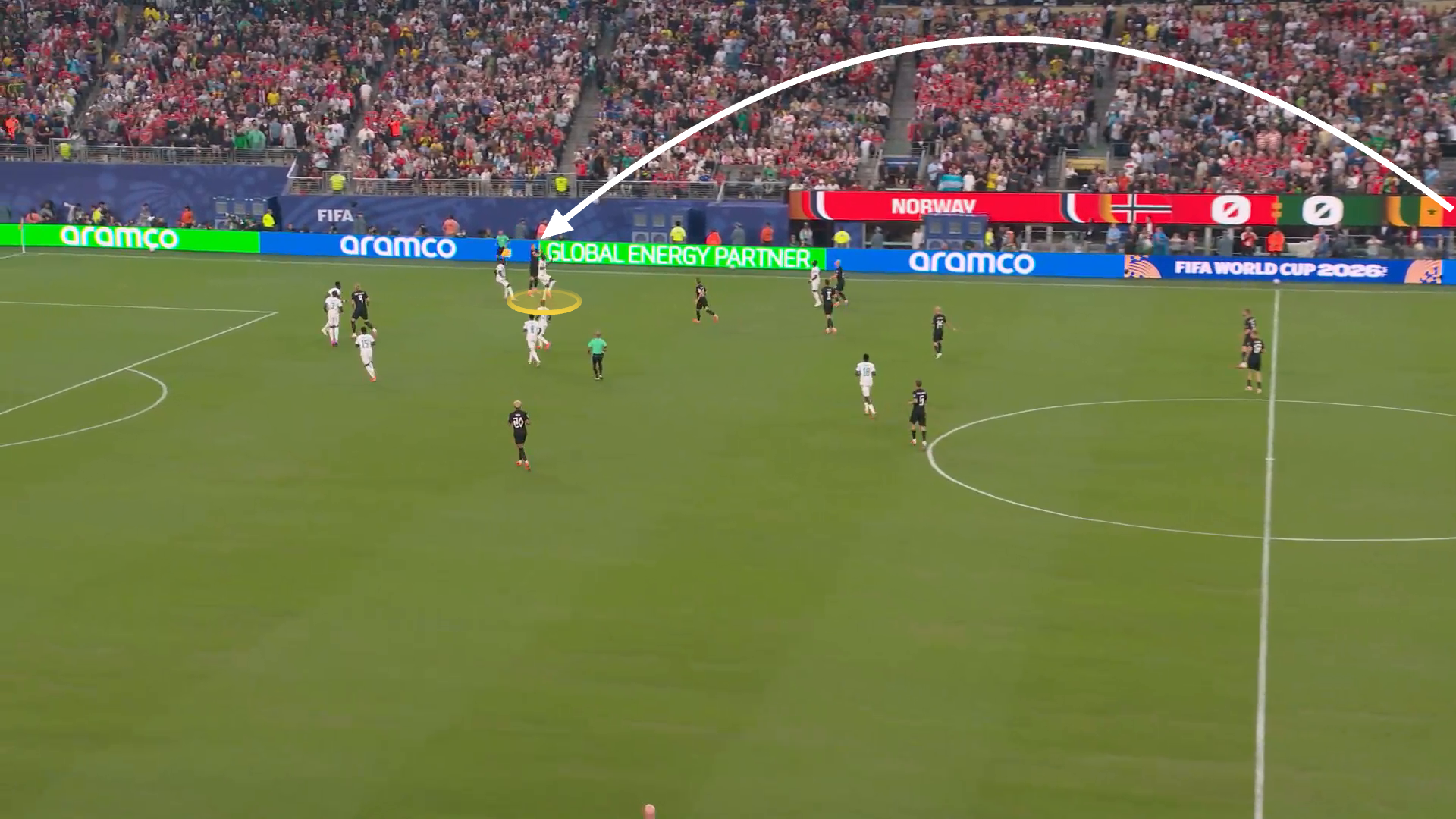
Key match facts to bear in mind: the quarter-final setting raises the value of a single mistake; England will want to limit direct, high-quality service into the box; Norway will look to feed Erling Haaland as the principal outlet. Early tactical choices — whether England press aggressively or sit in a compact block — will determine the rhythm for the remainder of the game.
Erling Haaland: why he is the main threat
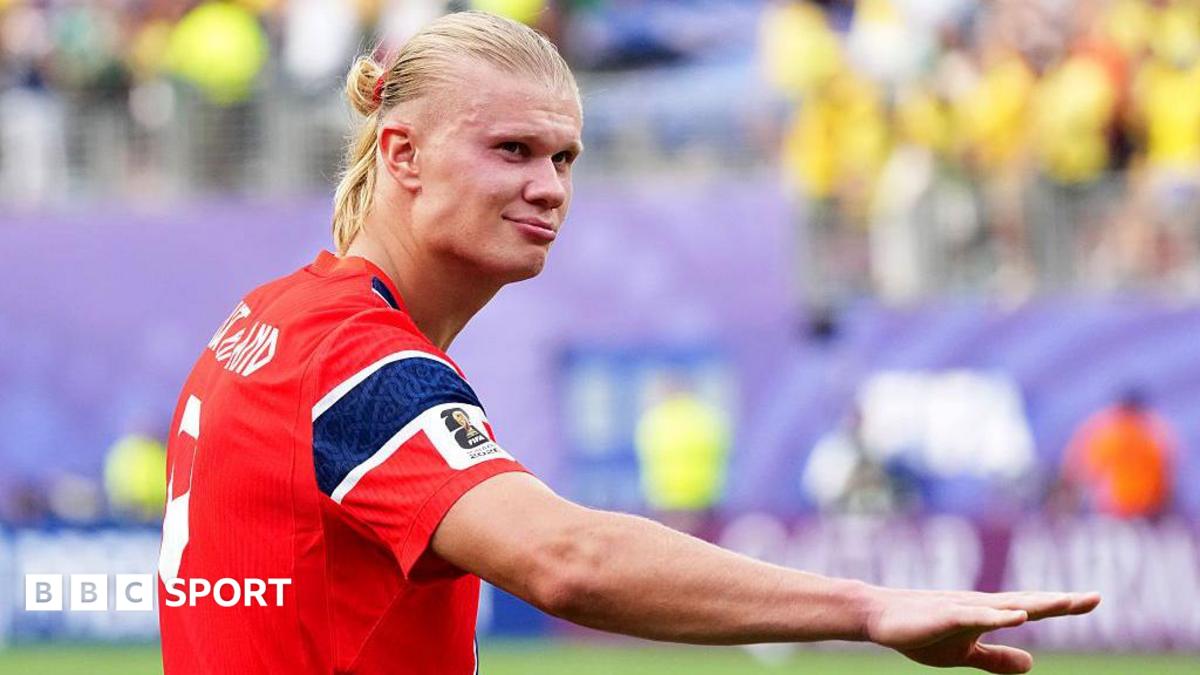
Erling Haaland is the main threat for Norway because he combines rare physical attributes with clinical finishing and intelligent movement. BBC Sport and other match analyses emphasise how Haaland’s hold-up play, aerial dominance and ability to occupy multiple defenders create space for teammates and magnify the quality of even marginal chances.
Opposing defences cannot treat him as a single problem. Haaland draws attention on crosses, threats from second balls and disguised through-passes; he also times runs into channels that punish defensive line confusion. Neutralising him therefore requires team-wide discipline, not just a one-on-one duel.
Tactical deep dive: how England can prepare and stop Haaland
There are three practical, complementary approaches England can use. Each relies on clear, repeatable roles that can be rehearsed in training so in-game reactions are automatic rather than improvised.
1) Dedicated marker plus zonal support
Assign a principal marker to Haaland — typically the more physical centre-back — but pair that marker with a nearby defensive midfielder whose job is to drop into the channel when the marker steps out. This reduces isolated duels and improves chances of winning second balls after flick-ons.
Concrete coachable details: the marker should show Haaland onto his weaker foot side or toward the touchline, while the DM marks the immediate area for running supporters. Communication cues (for example, a single word trigger when the full-back steps up) prevent the marker from being caught out by late runs.
2) Controlled mid-block with selective pressing
A compact mid-block that surrenders wide possession while preventing direct vertical passes reduces the number of high-quality deliveries into Haaland. England can press aggressively only when the ball is played into the wide channels or when supporting runners are absent; otherwise, they stay compact and force sideways passes.
Practically: set pressing triggers (poor first touch, pass across the back line) and rehearse the shift from compact defence to a quick front-foot counter when possession is won. Quick vertical transitions punish the space Norway leaves behind if they over-commit men forward to service Haaland.
3) Set-piece and aerial planning
Norway will seek to exploit crosses and long diagonals. England must allocate clear roles on dead-balls: identify who marks Haaland man-to-man, who clears zonal spaces at the near post, and who picks up late runners at the far post. Rehearse defensive headers and second-ball scenarios under pressure so organisation does not break down at the moment of delivery.
Offensively, England should practise overloads in wide areas and rehearsed short corners to draw defenders away from Haaland’s zone, creating mismatches and opportunities from second balls.
In training, replicate Haaland’s movement with a target man in practise matches and work on the timing of the DM drop and full-back tuck. These rehearsed patterns reduce the need for split-second improvisation in the quarter-final setting.
Key matchups and players to watch
The duel between Haaland and the centre-back pairing is the headline contest, but peripheral matchups will be equally decisive. Key roles to monitor:
- Centre-backs: must balance stepping out to challenge and holding line to avoid creating channels for Haaland’s runs.
- Defensive midfielder: the ‘sweeper’ who drops to contest flick-ons and recovers second balls.
- Wing-backs/full-backs: required to track runners late into their channels and prevent overloads on the flanks.
- Attackers: England’s forwards must capitalise on transitions, as quick counters are one of the clearest ways to punish Norway if they commit numbers forward to service Haaland.
If England win the midfield battle and control the second phase, Haaland receives fewer clean chances. If Norway isolates Haaland with accurate vertical service, he becomes much harder to contain.
What comes next and likely scenarios
As a World Cup quarter-final, the immediate stakes are simple: the winner goes to the semi-finals; the loser is out. Tactically, expect a cautious opening 20 minutes as both teams probe — managers will not want to give away a soft goal early.
Likely scenarios:
- Low-scoring, tactical affair: both sides stay compact; the result hinges on set-piece quality or a single counter-attack.
- Open game if England press high: England may create more chances but risk exposing space behind for Haaland to exploit on turnovers.
- Late drama: substitutions and tactical tweaks after 60 minutes could decide the tie as fatigue influences aerial duels and defensive concentration.
How managers react to the first 20 minutes will shape these paths. If England get early control, they should tighten marking routines around Haaland; if Norway take the early edge, England may need to switch to a deeper block and counter-attacking setup.
Short takeaways
- Haaland is Norway’s axis; neutralising him requires team discipline more than individual heroics (BBC Sport analysis underscores this point).
- Mixing a dedicated marker with a disciplined mid-block and rehearsed set-piece plans gives England the best chance to limit high-quality service into the box.
- Quick transitions and set-piece threats will be England’s most practical routes to score against a side oriented around a single star striker.
Source and further reading: this preview draws on reporting and analysis by BBC Sport. Read the original piece for more context: BBC — How do England stop Norway – and Haaland?