Expert summary: Stamp duty reform has attracted fresh attention after Andy Burnham spoke about changing stamp duty and council tax. Experts told BBC News there are a few realistic models — abolition, replacement with a different levy, or rebanding thresholds — each with trade-offs for buyers and public finances. Any change would be speculative without formal proposals, Treasury costings or parliamentary backing.
What experts say about stamp duty reform
BBC reporting gathered analysis from economists and housing specialists who set out several broad scenarios rather than a single policy. Common threads are that reform aims to reduce the upfront cost of moving, help certain groups such as first-time buyers, and address perceived market frictions.
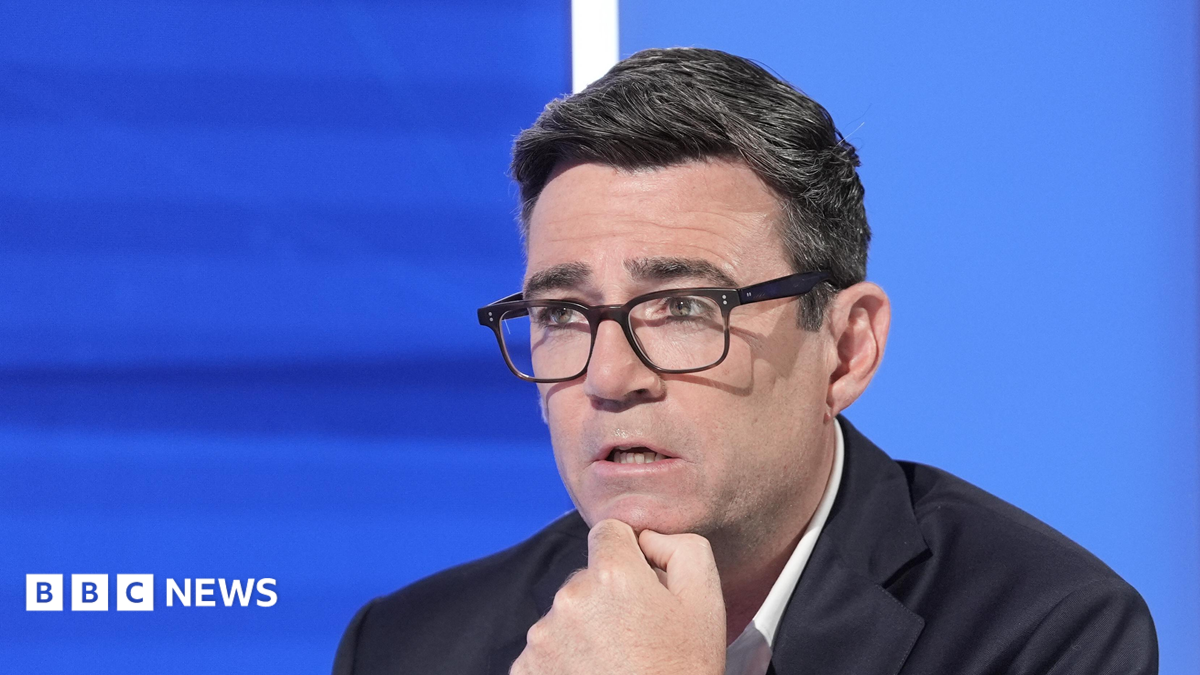
Experts emphasise that Andy Burnham has spoken about reforming stamp duty and council tax (BBC News), but that discussion is not the same as a government plan. The options sketched in media coverage are provisional and need technical work before they could be implemented.

How stamp duty could change
Analysts describe three headline options:
- Abolition: Remove stamp duty entirely. This would cut the upfront cost of buying a home, likely increasing transaction volumes short-term, but it creates an immediate hole in public finances that must be filled elsewhere.
- Replacement: Introduce a new tax such as a smaller transaction levy, an annual property charge, or a land value tax. Replacement models can spread the cost over time and potentially tax wealth rather than transactions, but they require complex valuation and collection systems.
- Rebanding or threshold reform: Change the bands or raise the threshold so fewer buyers pay at point of sale. This keeps some revenue while lowering barriers for lower-value purchases.
Experts note each model changes who pays and when. Replacement and rebanding can be designed to protect low-income or older homeowners, but those protections affect revenue and administrative complexity.
Impact for buyers and local finances
Lower or removed stamp duty reduces upfront costs for buyers and can increase mobility. For first-time buyers, that effect can be meaningful. Market commentators told BBC News that timing matters: in weak markets a cut could stabilise activity; in overheating markets it could add to price pressures.
However, lost central government receipts must be made up. If the government recovers revenue through higher council tax or a new local property charge, the burden shifts to ongoing payments for homeowners. That can hit people on fixed incomes unless exemptions or rebates are provided.
Local government finances are central. Stamp duty is collected by central government but influences the funding environment for councils. Replacing it with a local tax would require clear distribution mechanisms so councils do not face shortfalls during a transition.
Political and fiscal constraints
Speculative policy note: experts describe reform proposals as speculative unless backed by Treasury costings and a formal plan. Any announcement would need to show where revenue comes from and how vulnerable groups are protected.
Practically, the Treasury must weigh short-term borrowing against long-term fiscal plans. Large changes to property taxation often require cross-party support or a strong electoral mandate because their distributional effects create winners and losers.
Administratively, replacement taxes need robust valuation systems and transition rules. Introducing an annual property levy or land value tax can take years of design and pilot work to avoid unintended loopholes or enforcement problems.
Expert reaction
Economists and housing specialists emphasise the importance of details: the design choices — exemptions, transitional arrangements and rate-setting — determine fairness and political viability. Analysts told BBC News that small design tweaks can change who benefits and who pays.
Market analysts also warn of timing risks: a reform announced during a fragile housing market could distort prices or mobility. That is why experts say careful modelling and phased implementation are necessary.
What comes next
Signs to watch if discussion moves toward policy include a formal consultation, a Green Paper or Treasury costings. Those documents would set out technical detail and distributional analysis that experts say are required to judge any proposal.
Official steps would typically include an impact assessment, parliamentary scrutiny and secondary legislation for major tax changes. In the near term, expect commentary, commissioning of technical work and party-level policy development rather than immediate legislation.
FAQ
What is stamp duty and how would reform affect homebuyers?
Stamp duty is a tax on property transactions above a threshold. Reform could lower upfront costs for buyers in some scenarios, but how much depends on the chosen model and any compensating measures.
Would scrapping stamp duty mean higher council tax?
Not necessarily, but replacing lost revenue via local taxation is one possible route. Experts say design choices determine who ultimately bears the cost.
How likely is Andy Burnham to implement these changes if he becomes PM?
Experts treat the idea as speculative. Media discussion and political statements can signal intent, but implementation depends on formal policy proposals, fiscal room, and parliamentary support. There is no confirmed plan at this stage.
Source attribution: This analysis summarises reporting and expert comment in BBC News coverage of the topic. Read the original BBC piece for full context: Could Andy Burnham scrap stamp duty?
BBC image credits are included in the figure captions above. No policy is confirmed: suggestions here are speculative unless and until formally published by government or assessed by the Treasury.