
Prosecutors told a court they have “devastating” evidence against the Charlie Kirk murder suspect and described a sequence of movements they say link a 23-year-old to the alleged killing. BBC News reports the presentation was part of a hearing in which the prosecution sought to persuade a judge to send the case to a jury.
In court, the prosecution outlined a framework of material it said, taken together, strongly supported its case. The reporting said prosecutors relied on corroborating elements including witness accounts, physical traces and digital data to construct a narrative of the events surrounding the alleged offence.
Prosecutors case against the Charlie Kirk murder suspect
The prosecution used the word “devastating” in court, according to BBC News, to describe the combined weight of the evidence it presented. That portrayal was offered to underline why prosecutors believe the matter should proceed to trial.
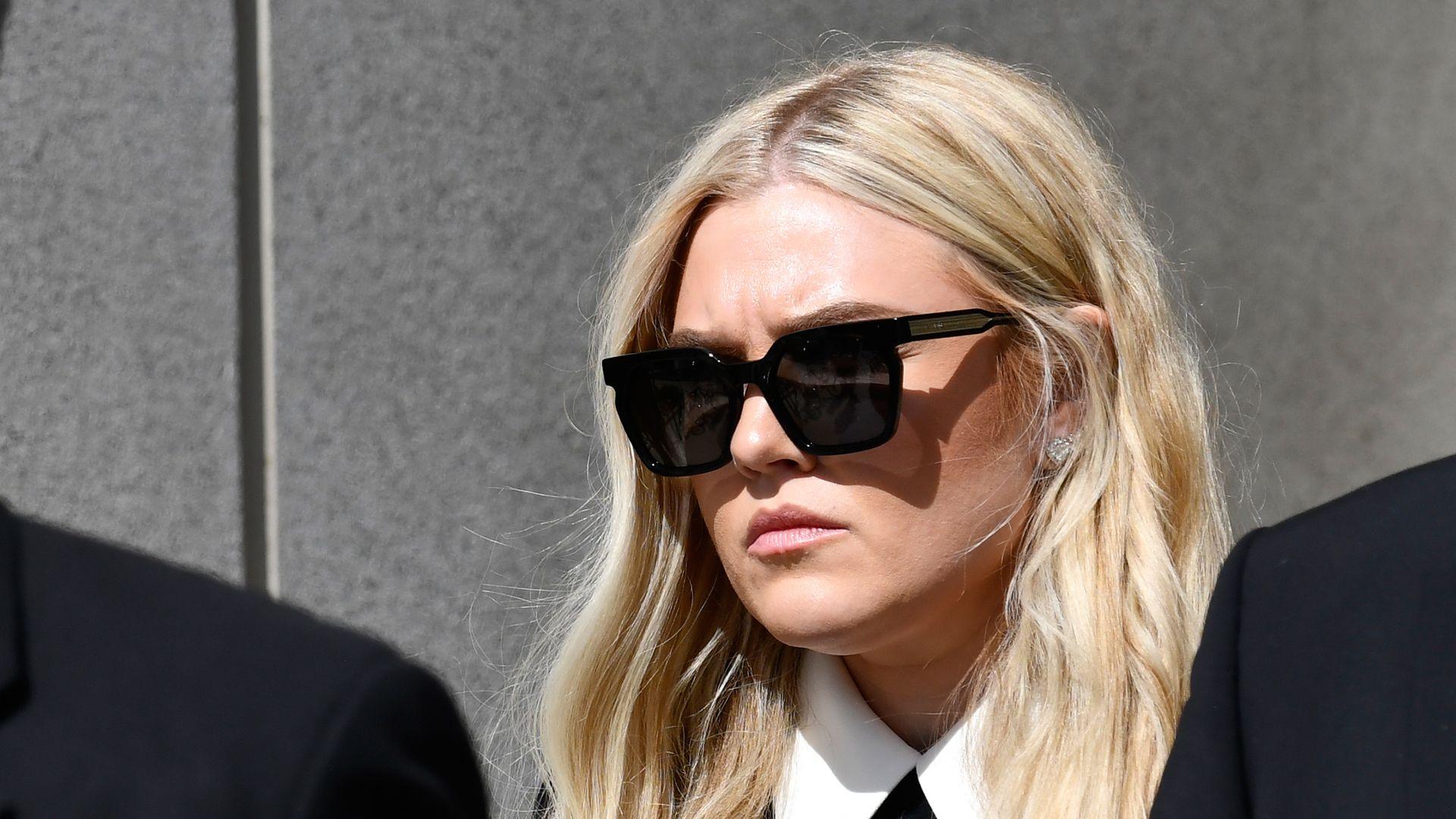
BBC coverage says the case presented to the judge emphasised timing and location, and pointed to material the prosecution considers consistent and mutually reinforcing. Defence responses were noted in reporting as being part of the wider courtroom exchanges, but the BBC account focused primarily on the prosecution’s claims.
Prosecutors signalled they have assembled statements and exhibits that they expect would be put to jurors. The exact contents of those exhibits were not reproduced in full in the BBC summary, which described the prosecution’s assessment rather than listing every item entered in evidence.
Alleged timeline of the suspect’s movements
According to the court disclosures reported by BBC News, prosecutors presented a timeline they say traces the suspect’s movements before, during and after the alleged incident. They argued the sequence of events places the 23-year-old at or near key locations at relevant times.
The timeline, the BBC reports, was built from a mix of investigatory data and witness statements. Prosecutors told the court these elements combined to form a coherent narrative linking the suspect to the scene in ways they described as compelling.
Reporting made clear the prosecution’s timeline is an account to be tested in later proceedings. Some details remain subject to challenge, and the judge will consider whether the evidence disclosed so far is sufficient to justify a trial.
Legal next steps and trial prospects
Prosecutors told the court they want to try the case, signalling an application to commit the matter for trial, BBC News reports. That application is one step in a process that includes judicial consideration of whether there is a realistic prospect of conviction and whether it is in the public interest to proceed.
The judge will review the prosecution’s written and oral submissions and any defence objections before ruling on whether the case should go to a jury. BBC reporting does not state a trial date has been set; timeframes depend on court scheduling, outstanding disclosure and defence preparations.
Disclosure obligations require prosecutors to provide evidence to the defence that is material to the case; this can affect timing. If a judge rules there is a case to answer, the matter will be listed for trial at a future criminal trial window in the court timetable.
Why this matters to the public
The disclosures made in open court matter because they update the public about the handling of a serious criminal allegation and the direction of the police and prosecuting authority. BBC News covered the hearing given the public interest in the victim and the seriousness of the allegation.
Reporting in such cases helps the public understand how evidence is marshalled and tested within the legal system, while also highlighting that allegations are examined through formal processes designed to protect the rights of all involved.
Readers should note that the material described in court so far reflects prosecutorial claims and investigatory findings as reported by BBC News; it does not amount to a legal finding of guilt.
Source and reporting note
This article is based on coverage by BBC News. The original story, published 2026-07-11, summarises court disclosures in which prosecutors described what they called “devastating” evidence and outlined the suspect’s movements as they seek to try the 23-year-old. Source: BBC News (2026-07-11).
Risk note: The individual named in court reporting is described as a murder suspect. This is an allegation reported by prosecutors; no conviction has been reported.
Frequently asked questions
What evidence did prosecutors describe as devastating?
BBC News reports prosecutors used the term to describe the combined weight of evidence presented in court. That included witness accounts and material the prosecution said corroborated its timeline; the BBC summary did not enumerate every exhibit or statement.
What is known about the suspect’s movements?
Prosecutors set out a timeline they say tracks the suspect’s movements around the time of the alleged offence. BBC reporting says this timeline was central to the prosecution’s argument but stopped short of publishing a full minute-by-minute account.
When could the suspect face trial?
Prosecutors have said they wish to try the 23-year-old, but BBC News did not report a fixed trial date. Any trial timetable will follow judicial rulings on whether the case should go to a jury and will depend on disclosure, defence preparations and court availability.
For ongoing updates, refer to the BBC News article linked above.