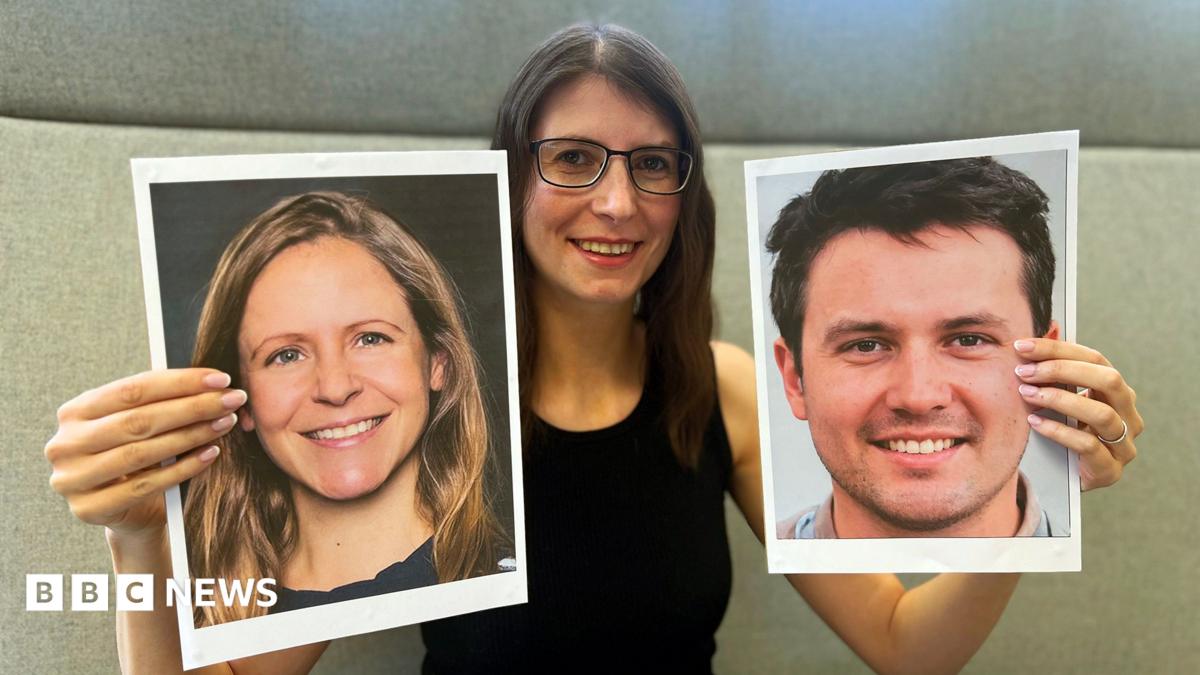
See if you can spot an AI deepfake with our test: BBC News – Take the test. The BBC’s coverage highlights early results suggesting brief training might help people identify AI deepfakes, though researchers in Aberdeen say this remains an open question under investigation.
This short guide explains the BBC test format, summarises what researchers in Aberdeen are testing about training to identify computer-generated facial images, offers practical tips for spotting likely fakes, and shows where to try the interactive quiz yourself.
What researchers in Aberdeen are testing
The BBC article reports on work by a research team in Aberdeen that is investigating whether short, targeted training can improve people’s ability to spot computer-generated faces. The reporting frames the effort as a research question: the team is testing if practice and feedback change how people judge images rather than declaring a definitive solution.
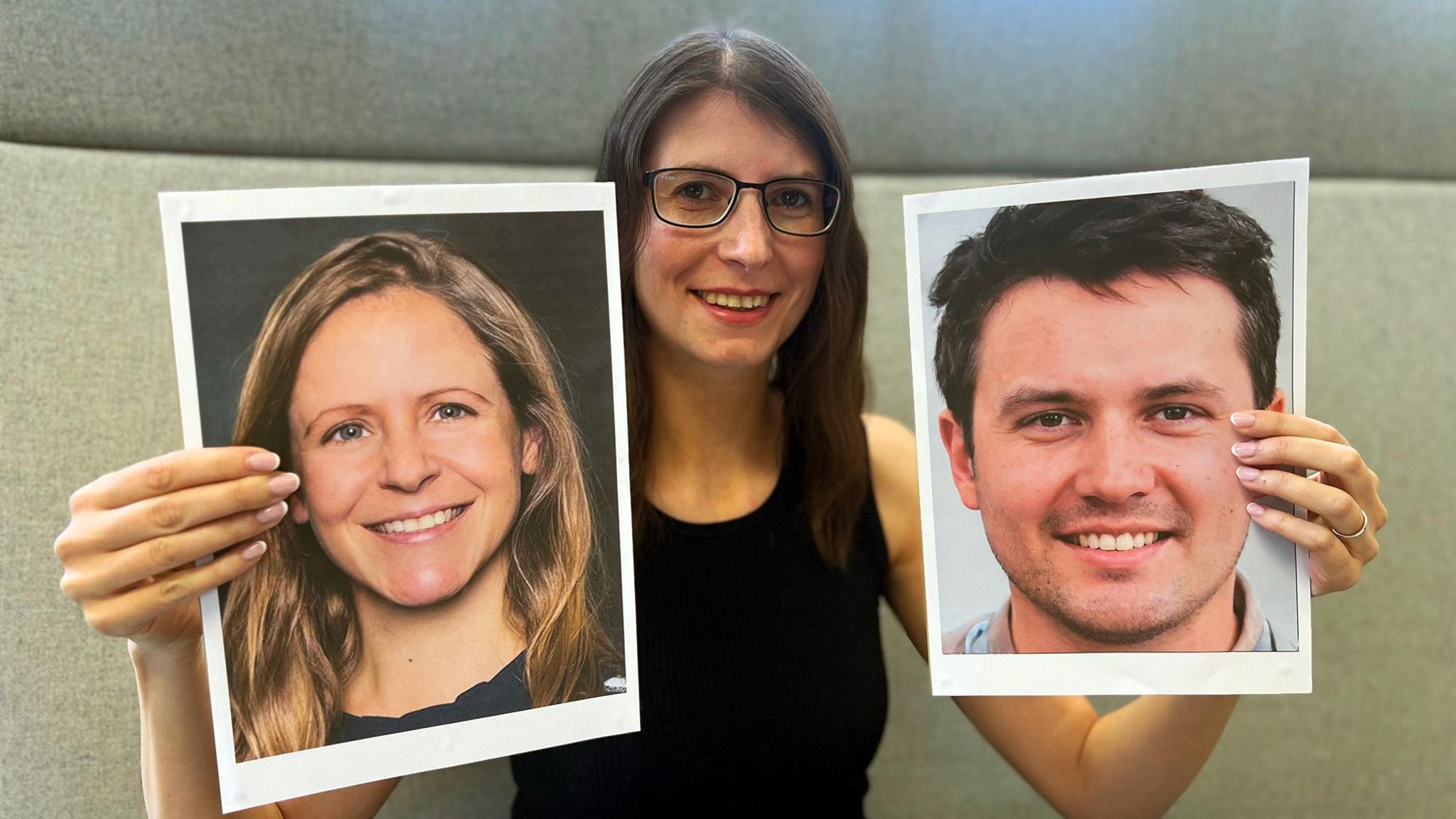
The Aberdeen researchers are focused on training to identify computer-generated facial images and measuring human performance before and after brief exercises or feedback. According to the BBC coverage, their aim is to understand whether simple interventions can produce measurable improvement — and if so, how large and durable that improvement might be.
How the test works and what to expect
The BBC quiz presents a series of images or image pairs and asks you to choose which face is computer-generated or whether a single image is real. It is designed for quick rounds with immediate feedback so players can learn by seeing correct answers after each choice. Expect to spend only a few minutes on a single run of the test.
The immediate-feedback format mirrors the kind of short training the Aberdeen team is studying: you make a choice, you’re told the right answer, and you can use that corrective information to adjust what cues you look for next. The BBC note and the research context emphasise this as an experimental setup rather than a definitive training programme.
Practical points: the test does not require specialist knowledge. It helps to view images on a decent screen, take your time to scan small details, and repeat rounds if you want more practice. The BBC page that hosts the quiz links directly to the interactive tool.
Tips to spot an AI deepfake
Training may help, but there are practical visual checks you can use right away when you suspect a deepfake or computer-generated facial image:
- Eyes and reflections: check for inconsistent catchlights, odd reflections in the eyes, or unnatural blink timing.
- Skin texture: very smooth skin or repeating patterns that look stamped or cloned can be a sign of synthesis.
- Hair and edges: hairlines, stray hairs and the edges around the head often appear blurry, smeared or oddly sharp in AI-generated images.
- Accessories and symmetry: mismatched earrings, jewelry that doesn’t align, or faces that are unusually symmetric can be suspicious.
- Background and hands: warped backgrounds, melted objects, or poorly formed hands are common giveaways in generated images.
No single sign proves an image is fake. Combine several cues, check the image source and context, and when in doubt use trusted verification tools or reverse-image search to trace its origin.
Why this matters — and the limits of the findings
AI deepfakes range from harmless entertainment to tools used for fraud, harassment and misinformation. If short training can reliably improve detection, it could help people make quicker, more cautious judgements about images they encounter online. The BBC coverage highlights this potential benefit while also cautioning readers about the preliminary nature of the findings.
The Aberdeen team and the BBC stresses the research question: this is an investigation into whether training helps — not a claim that training fully solves the problem. Effectiveness may vary with the training method, the types of images used in tests, and how synthetic images evolve. Human spotting is one layer of defence and should be used alongside technical detectors and platform safeguards.
Key takeaways
- The BBC interactive test lets you try spotting an AI deepfake in a few minutes and gives immediate feedback to help you learn.
- Researchers in Aberdeen are testing whether brief training improves people’s ability to identify computer-generated facial images; the result is still under investigation.
- Look for multiple visual cues—eyes, skin texture, hair, symmetry and backgrounds—before deciding an image is real or fake.
Source and how to try the test
Source: BBC News – Top Stories. Read the BBC article and take the interactive quiz here: https://www.bbc.co.uk/news/articles/c9d2wgvg55jo?at_medium=RSS&at_campaign=rss. The BBC piece summarises the Aberdeen research and links to the test so you can try spotting AI-generated images yourself.
Frequently asked questions
How reliable is training to spot AI deepfakes?
Reporting frames training as an open research question. Early indications reported by the BBC suggest people may improve with feedback, but the reliability, size and longevity of that improvement are still being evaluated by the Aberdeen researchers.
Where can I take the BBC AI deepfake test?
Take the test via the BBC article at the link above. It is a short, interactive quiz designed to show examples and provide immediate feedback so you can learn visual cues as you go.
What signs usually indicate a computer generated facial image?
Common signs include odd eye reflections, inconsistent lighting, blurred or smeared hair edges, overly smooth skin, mismatched accessories, and warped backgrounds. Use several cues together rather than relying on one alone.