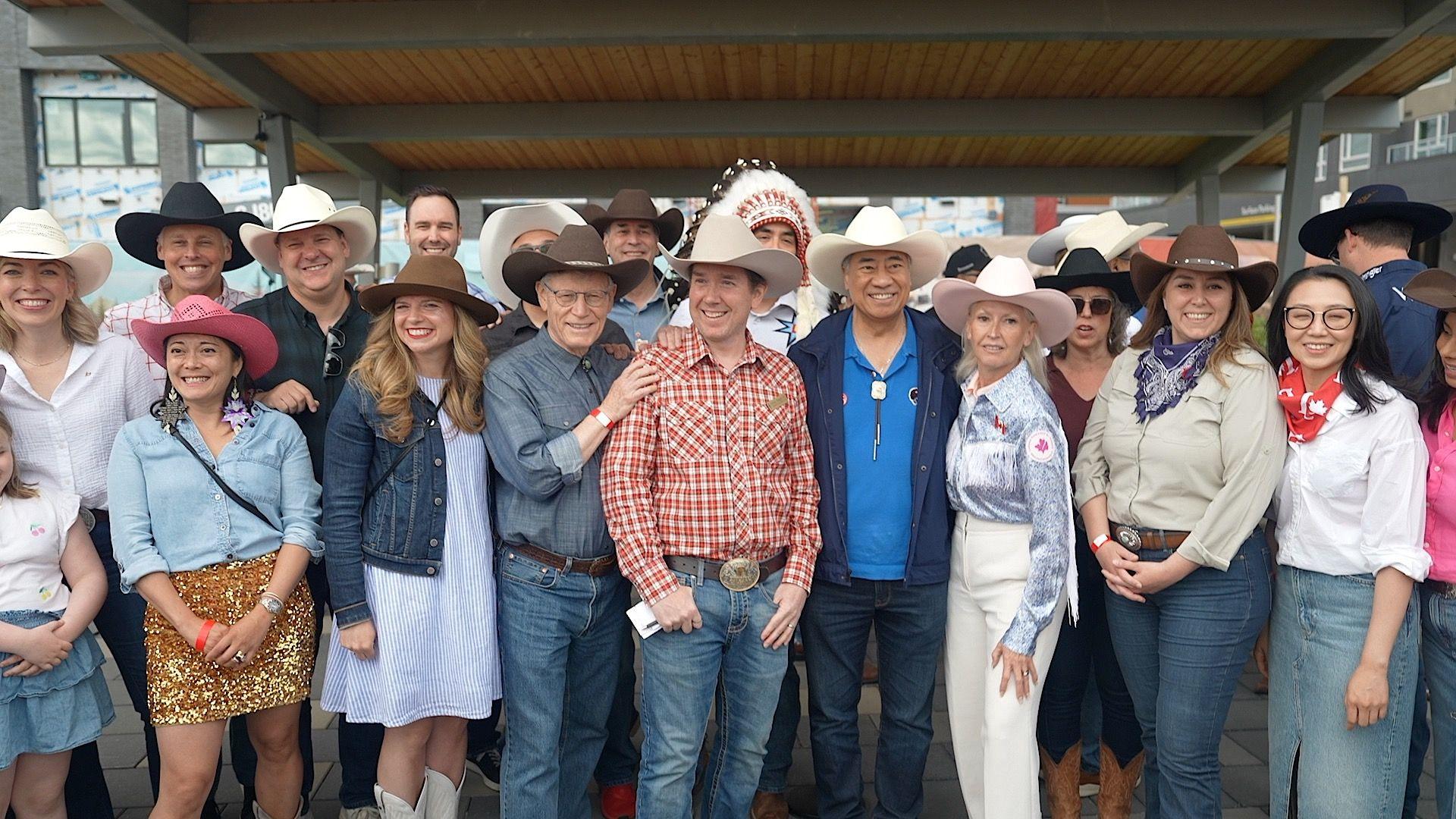
The Calgary Stampede — normally a showcase of rodeo skills, music and tourism — has become an unexpected forum for talk about Alberta separation. Conversations about the province’s future threaded through pancake breakfasts, vendor rows and shaded discussion tents, bringing a political urgency to one of Canada’s largest summer gatherings.
Festival-goers passed campaign tables between chuckwagon heats, and informal groups formed near performance stages to trade views. The juxtaposition of rodeo spectacle and serious debate created a striking sense that a political question once confined to party caucuses has moved into everyday public life.
Alberta separation on display at Calgary Stampede
At the Stampede, campaign tables and organised discussions drew steady interest. In one concrete scene, a small circle formed near a debate tent where a moderator sketched possible scenarios for Alberta’s future; nearby, a country band played while families queued for food, underscoring how civic conversation was unfolding amid ordinary summer rituals.
Organisers reported steady foot traffic at information tables and said many people stopped to ask basic questions about the ballot and timeline. Several attendees described a mix of curiosity and frustration — some said they wanted clear answers about practical consequences, while others framed the vote as a chance to register long-standing grievances about federal policy.
What the October vote would decide
There is an October vote on Alberta’s future, presented by proponents as a means for Albertans to express their preference about the province’s path. Under Canadian law, provinces cannot unilaterally secede; supporters say the ballot is a democratic signal, while critics argue it risks economic and constitutional uncertainty.
Questions about the exact wording of the ballot and the legal implications have dominated early debate. Campaigners emphasise different priorities: some focus on asserting provincial autonomy over resources and revenue, others warn that an unclear ballot could mislead voters or produce divisive outcomes. The clarity of the question and the information available to voters will be decisive as the campaign progresses.
Why some fear a Brexit-style upset
Some commentators have drawn a parallel to the 2016 Brexit referendum, voicing concern that a tightly contested, emotionally charged vote might yield an unexpected result. That comparison serves as shorthand for fears about turnout dynamics, campaign messaging and the spread of misinformation.
It is important to treat the Brexit-style analogy as speculative rather than determinative. Canada’s constitutional framework, legal processes and intergovernmental ties differ substantially from the U.K.’s context, so any comparison should be framed as a cautionary example rather than a direct precedent. Analysts at the Stampede emphasised that turnout patterns, ballot clarity and how well campaigns answer practical questions about currency, borders and services will shape outcomes far more than headline analogies.
“People here are asking plain questions about money and services — not just slogans,” a volunteer at a Stampede information tent told organisers, reflecting the practical tone of many on-site conversations.
Political and national implications for Canada
Debate over Alberta separation cuts to the heart of Canadian unity. If October’s vote showed strong support for separation or for a new constitutional path, it could intensify calls for formal talks and force federal leaders to address regional grievances more directly. Even a strong non-separatist turnout could prompt renewed negotiations about fiscal arrangements and resource policy.
Outside Alberta, many Canadians are watching for the economic and political ripple effects. Potential disruptions to interprovincial trade, investment confidence and national policy coordination are central concerns for businesses and governments. Within Alberta, supporters argue the vote is a democratic outlet for long-standing frustrations, while opponents warn of the uncertainty that prolonged constitutional disputes would create for health care, education and infrastructure funding.
Voices at the Stampede captured this range of views: some attendees expressed pragmatic worries about pensions and hospitals, others spoke of principle and autonomy. Local organisers said they had fielded many questions about immediate practicalities — what would happen to provincial debt, how services would be maintained, and which institutions would lead negotiations if the ballot prompted further action.
What comes next and how to watch the vote
As October approaches, there are a few concrete markers to monitor. First, final ballot language: precise wording can shape voter understanding and turnout. Second, the official timetable and responsibilities of the organising body — watchers will want to follow announcements from Elections Alberta or whichever authority is administrating the vote.
Third, watch turnout signals: local event attendance, early polling figures and engagement on reputable media platforms will give early indications of momentum. Fourth, look for how both sides address operational questions about currency, public services and intergovernmental arrangements — clear, practical answers will matter to many voters.
Finally, observe how businesses, provincial institutions and federal leaders respond to campaign developments. Their reactions can influence public confidence and the political space for negotiation after the vote.
For Albertans and Canadians elsewhere, the October vote will test whether regional grievances translate into sustained constitutional change, or whether they prompt negotiated reforms within Canada’s existing framework. The Stampede offered a snapshot of that debate in public, but the months ahead will determine whether this moment becomes a lasting turning point or a high-profile chapter in an ongoing national conversation.
Source: BBC News – At Canada’s biggest rodeo, the starting gun is fired in the fight over Alberta separation. Read the original reporting: https://www.bbc.co.uk/news/articles/c3eykgln5eeo?at_medium=RSS&at_campaign=rss