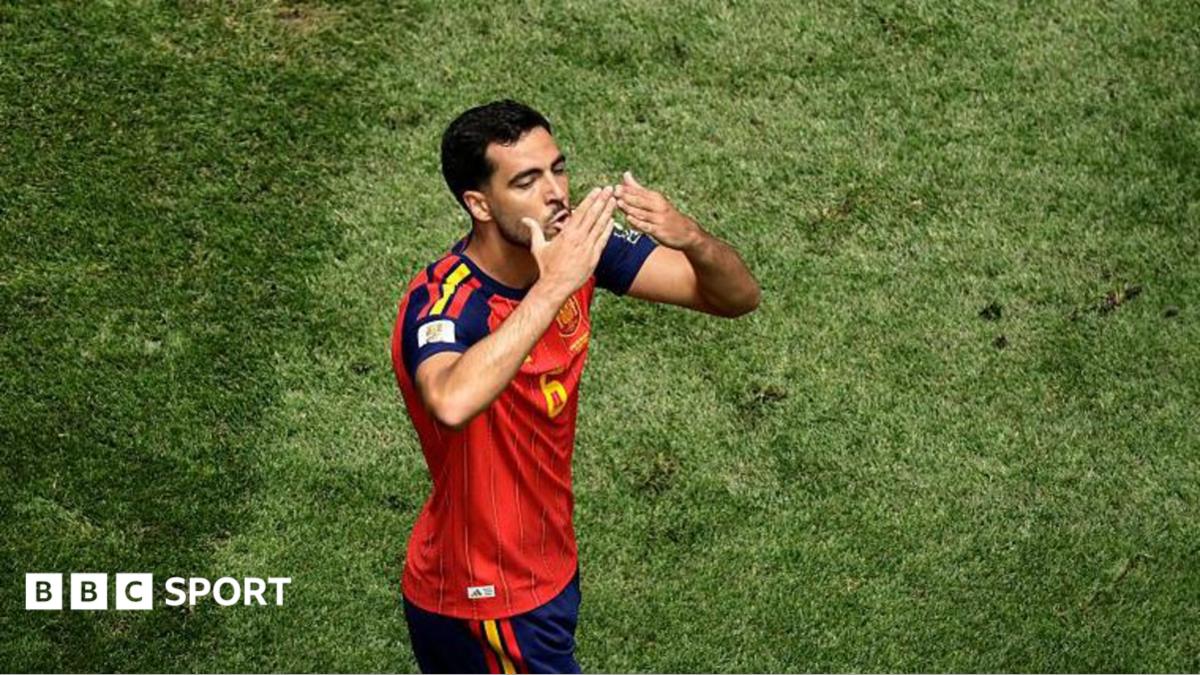
Mikel Merino came off the bench and scored the decisive goal that sent Spain into the World Cup semi-finals, breaking a tense stalemate late in a tightly contested knockout tie. The substitution and subsequent strike changed the immediate outlook for La Roja and secured their place in the last four.
Mikel Merino’s decisive moment
Introduced from the bench, Merino produced the single moment of finishing quality that settled the match. His intervention was the match-winning contribution and, by the end of play, what everyone remembered from a fixture defined more by fine margins than by open dominance.
The timing of Merino’s introduction reflected a clear tactical intent: to bring composure, passing range and a late attacking option into congested midfield areas. That decision paid off when he found the net at a decisive moment, giving Spain a lead they were able to protect until the final whistle.

Match snapshot
The contest featured a cautious opening, with both sides prioritising defensive shape and control over risky forward play. Clear-cut chances were at a premium during long stretches of the match, and set pieces emerged as one of the more threatening outlets for both teams.
Key moments included several close-range opportunities that failed to find the target and a number of half-chances in transition. None altered the scoreboard until Merino’s finish. After the goal, the opposition increased pressure in search of an equaliser; Spain absorbed that pressure, managed the closing stages and frustrated late attempts to force extra time or turn the result around.
Statistically tight matches like this can hide the small but decisive shifts in momentum that substitutions bring. In this case, the manager’s willingness to alter personnel late on was rewarded by a single, match-defining play.
Where Lamine Yamal fits
Lamine Yamal remains one of the most-talked-about young players in Spain’s squad, and coverage of the match — including reporting by BBC Sport — described him as still waiting for a defining breakthrough on this particular stage. That framing treats his status as an ongoing storyline rather than a conclusion about his long-term prospects.
In this game, Yamal had moments on the ball and showed the kind of unpredictability that has marked his rise, but he did not produce a singular, decisive action to change the match. Match reports and post-game analysis have highlighted both his potential and the reality that tournament football sometimes delays a young player’s signature moment.
How the coaching staff balances Yamal’s development with immediate tactical needs will be significant in the coming matches. Managers often have to weigh the long-term integration of a prodigious talent against the short-term requirement for results in knockout football.
Implications for Spain ahead of the semi-final
Merino’s goal from the bench underlines the value of depth in a tournament run. A reliable impact substitute can alter the course of a game and gives selectors more flexibility when planning for varied opponents. That versatility will be especially valuable in the semi-final, where margins are likely to remain thin.
Selection dilemmas now centre on how to marry experienced, steady performers with the team’s younger creative outlets. Spain’s ability to control possession and probe patiently will be tested more severely in the semis, where opponents will prepare specifically to blunt Spain’s strengths and exploit any transitional vulnerabilities.
From a psychological standpoint, a late winner can galvanise a squad and provide momentum. Still, coaching staff will want to ensure the team converts that boost into tactical clarity rather than relying on isolated individual interventions. Opponents in the next round will study how Merino was introduced and the roles assigned to other match-changers during the run-in.
Brief background and context
Spain reached this stage with a tournament pattern of sustained possession interspersed with moments of incisive direct play. Across earlier games they showed phases of control but frequently needed moments of individual quality to break down compact defences.
That blend — structured build-up and the option for game-changing substitutions — has been central to their progress. Players capable of influencing matches late offer tactical contingency, and Merino’s contribution is the latest example of that dynamic in action.
What comes next
Spain will now turn their attention to the World Cup semi-final. Official fixture information, including opponent and kick-off time, will be confirmed through the tournament’s official schedule and media channels. Preparations will focus on opponent-specific scouting, recovery from the physical toll of the knockout match and fine-tuning selection choices that balance experience with youthful dynamism.
Expect discussions around minutes management for younger players such as Yamal and the potential for Merino to again play a decisive role off the bench. Tactical planning will also consider set-piece management, transition defence and how to maintain possession against teams likely to press aggressively.
Source attribution and next steps
Details in this report draw on match coverage by BBC Sport. For the original match report and full coverage, see the BBC Sport article: BBC Sport.
Further official fixture confirmations, including the semi-final date and kick-off time, will be published in the tournament schedule and through official channels; follow those sources for the confirmed timetable and opponent information.
As Spain prepare for the next round, the interplay between experienced match-winners and emerging talents will be watched closely: Merino’s intervention is the immediate headline, while Yamal’s broader storyline remains one to follow as the tournament progresses.