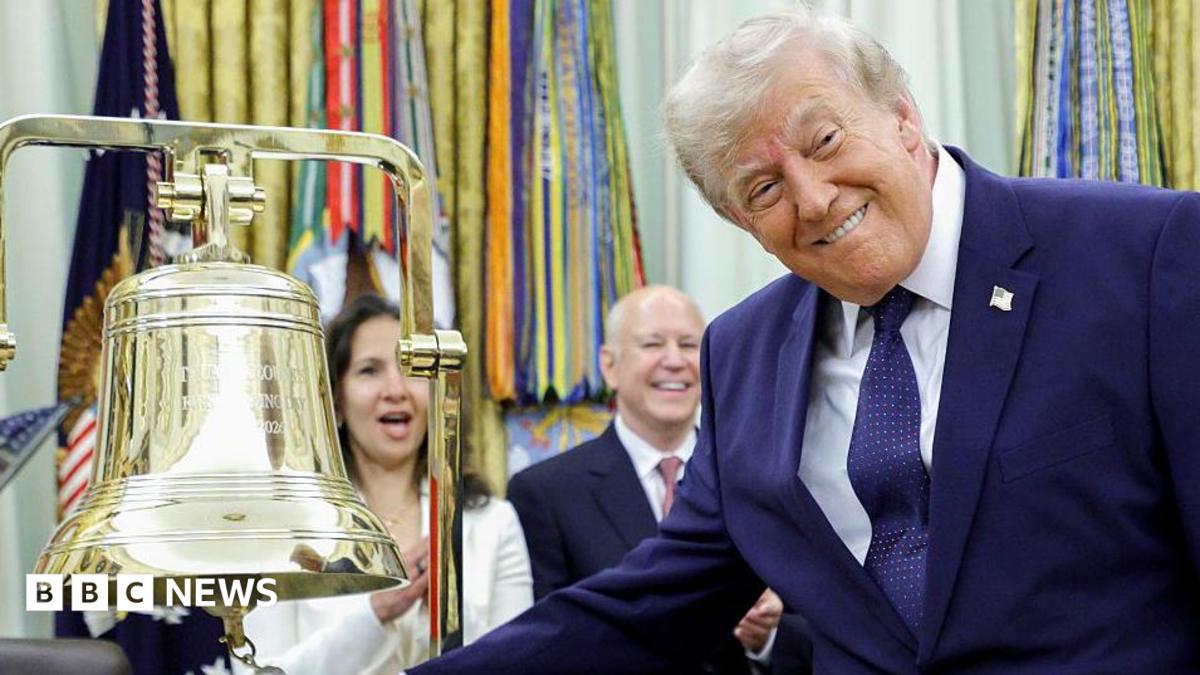
BBC News – Business reported on 2026-07-11 that the White House has described ‘Trump Accounts’ as giving new generations a stake in the “American dream.” That framing anchors early coverage, but reporting so far leaves several core technical questions unanswered and the plan has drawn criticism from Democratic lawmakers and policy analysts.
This explainer defines what is publicly known about Trump Accounts, summarises the White House framing cited by the BBC, details where named critics say gaps remain, and analyses likely impacts on American children and families.
What are Trump Accounts?
Trump Accounts is the administration’s working name for an account-based proposal intended to place money or assets in individual accounts tied to children. Officials describe the initiative as a way to seed future savings or investments that could be used for education, homebuying, or starting businesses as children reach adulthood.
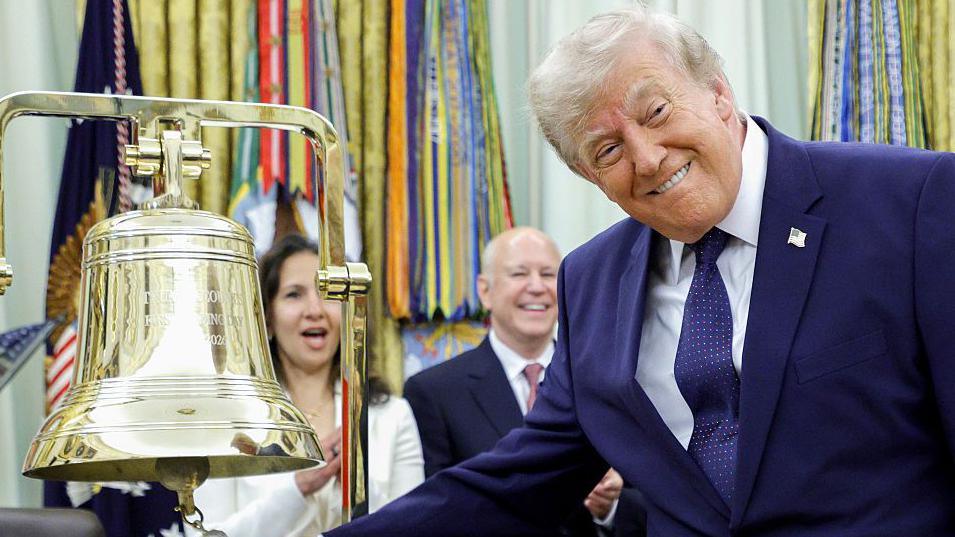
Public reporting to date, including the BBC’s 2026-07-11 coverage, describes the concept but does not provide a complete operational blueprint. Key unknowns include whether the accounts would receive one-time or recurring deposits, whether contributions would be universal or means-tested, who would administer the accounts, and what rules would govern withdrawals and permitted uses.
Because the plan has not yet been published in full legislative or regulatory text, much of the debate remains about design choices rather than demonstrated outcomes.
White House framing
The White House has presented Trump Accounts as giving young Americans a tangible stake in the “American dream,” language highlighted in the BBC piece. Administration statements emphasise opportunity: early funding could be used to expand access to higher education, support first-time home purchases, or provide seed capital for entrepreneurship.
Supporters inside the administration argue this framing matters politically and substantively: by creating a visible asset tied to each child, the program would symbolise government investment in long-term upward mobility and aim to change saving behaviours across households.
Where the criticisms sit
While the BBC report notes that the scheme “has its critics,” other outlets and early commentators have explicitly named some opponents and sceptics. Democratic lawmakers in Congress have asked for more details about costs and targeting, and policy analysts at nonpartisan research organisations have raised questions about fiscal trade-offs and distributional effects.
Those critics argue that without clear funding sources and guardrails, the policy could either be fiscally expensive or weaken existing supports. Policy analysts have warned about three main risks: that the program could divert resources from proven anti-poverty measures; that poorly designed eligibility rules could leave out the most disadvantaged children; and that interactions with means-tested benefits could unintentionally reduce families’ current support.
Administrative complexity is another named concern. Experts warn that opening and maintaining millions of accounts, preventing fraud, and coordinating federal and state programs would require substantial operational planning and cost estimates — items not yet visible in public materials.
Impact on American children and families
Account-style interventions can produce different outcomes depending on design. Universal seed deposits may build a broad asset base, normalise saving, and increase expectations of postsecondary education among children. Targeted deposits can concentrate support where need is greatest but require accurate, timely means-testing and outreach.
Who pays is central to how benefits will be evaluated. If the program requires new federal appropriations, the fiscal cost will be borne by taxpayers; Congress would need to weigh it against other spending priorities. If funding is recycled from existing programs, critics say families could see current benefits reduced or reshaped.
Short-term effects might include increased savings behaviour among participating families and political attention to childhood asset-building. Long-term effects — on college attendance, homeownership rates, or entrepreneurship — will depend on whether accounts are structured to grow in real value, protected from fees and predatory practices, and paired with financial education and access to services.
Equity considerations are crucial. Asset-based programs alone cannot erase structural inequalities that affect children’s outcomes, such as unequal school funding, healthcare disparities, or local labour market variation. Complementary policies and services often determine whether an account’s balance translates into real opportunity.
What comes next
Watch for several milestones to judge the proposal’s substance: published legislative text or an executive order detailing eligibility and permitted uses; a budgetary score from the Congressional Budget Office or the Office of Management and Budget estimating fiscal impact; and administrative guidance or pilot programs showing implementation plans.
Coverage should also track named reactions from lawmakers, independent analysts, and advocacy groups to understand the political and technical debate. Follow-up reporting by outlets including the BBC will be important to fill gaps left by initial announcements.
Source: BBC News – Business — Will Trump Accounts deliver for American children? (2026-07-11).
For readers: look for official White House releases and CBO budget notes to evaluate trade-offs and timelines. The early framing offers a promise of opportunity; the policy details will determine whether that promise is delivered, who benefits, and who pays.