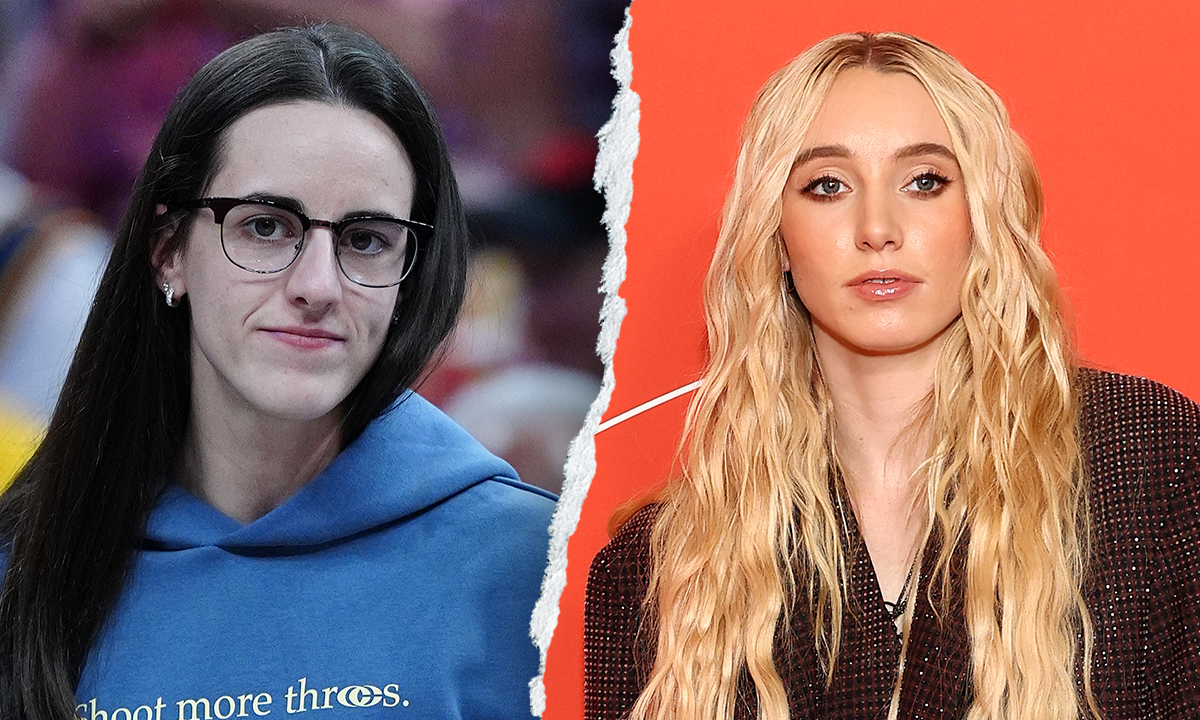
Caitlin Clark vs Paige Bueckers has become shorthand for how two contemporary stars in women’s basketball — each with major college legacies — arrived in the WNBA with sharply different public reputations. This piece contrasts their backgrounds and career arcs, adds two concise mini-profiles, examines how media and race shaped perception, and lays out what the differences mean for the league and fans.
Caitlin Clark vs Paige Bueckers: a quick contrast
The shorthand comparison, “Caitlin Clark vs Paige Bueckers,” is as much about perception as it is about play style. Clark emerged as a record-setting scorer with a massive mainstream audience; Bueckers developed a reputation tied to team success, injury recovery and outspoken engagement on race and media coverage. Those divergent images have informed how fans, pundits and media outlets framed each player’s transition to the WNBA (Fox News—OutKick).
Mini-profile: Caitlin Clark (chronological)
Born and raised in Des Moines, Iowa, Clark built a national following at Iowa with prolific scoring and high-profile NCAA tournament runs. She swept major National Player of the Year awards in college and produced standout moments that translated into mass-TV audiences, including a 41-point Elite Eight performance that drew more than 12.3 million viewers, according to reporting (Fox News—OutKick). Clark subsequently entered the WNBA and became a focal point for increased Indiana Fever attendance and viewership.
(Viewpoint: observers say Clark’s Midwestern backstory and scoring highlights helped make her a crossover, mainstream figure rather than one primarily defined by activism or off-court commentary.)
Mini-profile: Paige Bueckers (chronological)
Bueckers grew up in Minnesota in a split-family household after her parents divorced when she was three; she was raised largely by her father and has a younger half-brother, Drew, who is biracial — details she and reporting have cited when discussing her perspective on race (Fox News—OutKick). At UConn, Bueckers earned national honors and helped sustain the program’s championship expectations. An ACL tear in August 2022 cost her a season, but she returned to prominence and later became a top WNBA draft pick, joining the Dallas Wings. Her public profile often includes explicit remarks on media coverage and representation of Black athletes, which commentators cite when noting how her reputation differs from Clark’s.
(Viewpoint: some observers interpret Bueckers’ activism and public comments as central to her public identity rather than ancillary to it.)
Upbringing and public image
Family and environment shaped both players’ narratives. Clark’s Des Moines upbringing and family involvement in local sports have been emphasized in coverage to explain a Midwestern, hometown-hero image. Bueckers’ family situation and her connection to a biracial sibling informed early public statements and activism, including participation in Black Lives Matter protests in the Minneapolis–St. Paul area after George Floyd’s death and later public remarks about how Black women are covered in sport (Fox News—OutKick).
Career highs, injuries and audience impact
Both players compiled résumé items that amplified different kinds of attention. Clark’s college scoring and TV-friendly moments—highlighted by the Elite Eight performance and the 12.3 million viewers cited in reporting—drove mainstream awareness that followed her into her rookie WNBA season (Fox News—OutKick).
Bueckers’ résumé includes national awards at UConn and a high-profile ACL recovery. Her return to form and status as a top draft pick gave the Dallas Wings narrative leverage rooted in comeback and team success rather than pure individual scoring records (Fox News—OutKick).
Viewpoint: Media framing — not just on-court outcomes — helped fix different public impressions of the two players.
Media coverage, race and culture
Coverage and commentary influenced which traits were emphasized. Reporters and commentators repeatedly contrasted Clark’s mainstream appeal with Bueckers’ public remarks on race and media fairness. The debate intensified after major college matchups and tournament moments, when gestures, trash-talk and postgame reactions were replayed and parsed through cultural lenses. That process helped fuse sports reporting to broader conversations about race and the so-called culture wars in women’s basketball (Fox News—OutKick).
Voices inside the sport offered competing takes: some framed differences as normal scrutiny and celebrity dynamics; others described them as evidence that media treatment can differ by context and identity. Those are interpretations of events — labeled here as viewpoints — and they coexist with the factual record of games, injuries and viewership figures.
By the numbers: viewership and milestones
Key figures often cited in coverage include Clark’s 41-point Elite Eight game and the more than 12.3 million viewers that night, which outlets linked to larger spikes in interest for the WNBA and the Indiana Fever after Clark entered the league (Fox News—OutKick). Bueckers’ high draft selection and comeback from an ACL tear created alternate commercial storylines focused on recovery and long-term team narratives for the Dallas Wings.
What this means for the WNBA and fans
The divergence between Clark and Bueckers shows multiple growth pathways for the WNBA and its franchises:
- Clark-style mass-market appeal can drive immediate TV ratings and attendance spikes for teams like the Indiana Fever (Fox News—OutKick).
- Bueckers-style narratives—comebacks, championship DNA and media-savvy engagement—sustain fandom tied to team-building and long-term brand stories.
- Controversies about media coverage and race can energize discussion and fan engagement but also create protracted tensions requiring careful media relations by teams and the league.
What comes next
Expect continued scrutiny as both players settle into WNBA roles in their mid-20s. Clark’s mainstream visibility will likely keep her central to debates about ratings and media framing; Bueckers’ arc, shaped by injury recovery and public comments about coverage, will remain a focal point for conversations about race, representation and how players engage with media narratives (Fox News—OutKick).
FAQ
How did Clark and Bueckers backgrounds shape their reputations?
Clark’s Des Moines upbringing and family-sports narrative fed a Midwestern, mainstream persona. Bueckers’ split-family background, a biracial brother and activism connected her profile to conversations about race and media coverage (Fox News—OutKick).
Did race influence the public reaction to their college matchup?
Race became a prominent element in postgame debate, with gestures and criticism often discussed in racially charged terms. Reporting and commentary amplified these divisions and how media frames affected fan perception (Fox News—OutKick).
What viewership and attendance records are linked to Clark?
Clark’s college run included unprecedented TV ratings, notably the Elite Eight game that drew more than 12.3 million viewers and her 41-point performance. Coverage linked her WNBA arrival with boosts in attendance and TV interest for the Indiana Fever (Fox News—OutKick).
Source: Reporting summarized from Fox News—OutKick. Original story: Fox News.