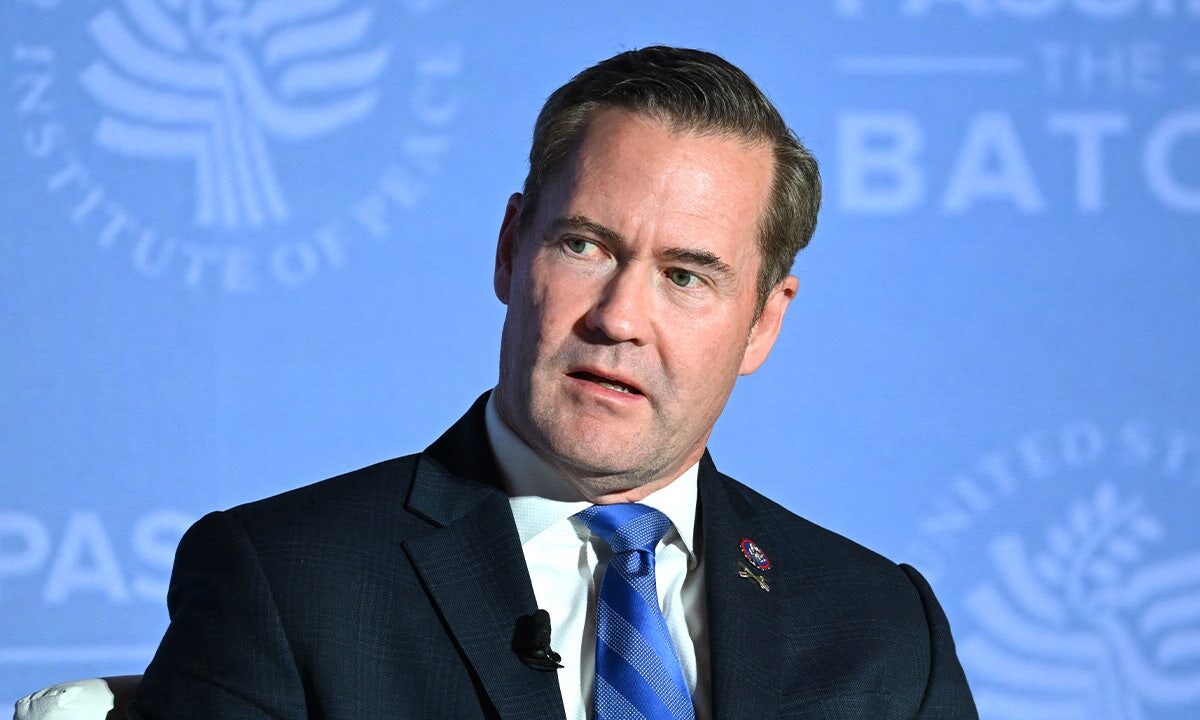
U.S. Ambassador to the United Nations Mike Waltz warned on Fox News’ Sunday Morning Futures that “Chinese and Russian intelligence sites in Cuba” are operating close to American military installations, calling the presence a “national security threat.” These assertions are presented here as Waltz’s remarks and related on-air comments and are not independently verified.
What Mike Waltz said about Chinese and Russian intelligence sites in Cuba
Waltz told the Sunday Morning Futures audience that he has seen reporting and intelligence indicating that both Chinese and Russian intelligence elements have established signals-collection posts and personnel on the island. “[There are] both Chinese and Russian [sites],” he said, arguing the activity amounts to a direct concern for U.S. security near its shores.
He framed the findings as part of a pattern of adversary behavior in the hemisphere and urged stronger U.S. pushback. Waltz credited recent U.S. policy moves with rolling back influence in parts of Latin America while saying Cuba remains a persistent focus.
Where activity is reported
According to Waltz’s on-air remarks, the reported activity centers on locations in Cuba that he characterized as being near U.S. military bases and other American assets in the region. He emphasized proximity to Florida and other U.S. points, saying some sites are “right off our shores.”
Waltz contrasted the situation in Cuba with what he described as reduced Russian and Chinese presence in Venezuela and parts of Central America, and he noted strategic concerns around nodes such as the Panama Canal. He did not provide specific coordinates or detailed site descriptions during the broadcast.
Reports on Iranian-made drones
Separately during the segment, former Florida Gov. Jeb Bush referred to reporting that as many as roughly 300 Iranian-made Shahed-136 drones could be staged in Cuba. That figure was presented on-air as coming from other reports cited by Bush.
The Shahed-136 is widely described in public reporting as an Iranian-made loitering munition that has been used in other conflict zones. Observers have expressed concern that if such systems were present in Cuba, they could complicate regional surveillance and defensive planning for nearby U.S. forces.
Verification and caveats
It is important to note that the allegations described above reflect statements made by Ambassador Waltz and comments by others during the Fox News broadcast. These claims — including the presence, locations, capabilities and numbers of personnel or equipment — are not independently verified in this report.
The reported number of Shahed-136 drones cited on-air is likewise attributed to outside reporting referenced by Jeb Bush and has not been confirmed here. Independent confirmation of specific sites, technical capabilities or exact quantities was not available from the broadcast material.
Readers should distinguish between official assertions or public statements and independently corroborated intelligence. National security reporting frequently relies on statements from officials; reporting that relies on such statements should be read with the caveat that follow-up verification may be needed.
Policy context and response
Waltz placed his comments in the context of what he described as an administration effort to counter adversary influence across the Western Hemisphere. On the broadcast he credited political leaders — including Donald Trump, Marco Rubio and Scott Bessent — with work he says has produced pushback on foreign footholds in the region.
He argued that diplomatic pressure, sanctions and engagement with regional partners have contributed to diminished adversary access in places such as Venezuela and parts of Central America. Waltz said the reported activity in Cuba represents an unfinished challenge and that the U.S. will continue to use policy tools and regional cooperation to contest it.
Why it matters
If the claims about intelligence sites and the presence of loitering munitions are borne out, they would have operational and diplomatic implications. Intelligence and signals-collection posts close to bases can increase monitoring of U.S. activities and infrastructure, which may require adjustments in force protection, counterintelligence and surveillance efforts.
Public statements by U.S. officials can also influence congressional oversight, defense planning and regional diplomacy even before independent confirmation is available. That dynamic can affect resource allocation, allied cooperation and how quickly agencies prioritize verification or response.
FAQ
Are these claims verified independently?
No. The statements summarized here reflect public remarks by Ambassador Mike Waltz and remarks by others during a Fox News broadcast. The specific allegations about intelligence sites and the reported number of drones are not independently verified in this report.
What is a Shahed-136 drone and why does it matter?
The Shahed-136 is an Iranian-made loitering munition that has been reported in other conflicts. If such systems were present near U.S. territory, they could pose surveillance and force-protection challenges for U.S. personnel and regional partners.
How could activity in Cuba affect U.S. military bases?
Alleged intelligence or signals-collection posts near bases could increase monitoring of U.S. operations and infrastructure, prompting adjustments to counterintelligence, force protection and regional cooperation to mitigate perceived risks.
Source and attribution
This article summarizes remarks by U.S. Ambassador to the United Nations Mike Waltz made on Fox News’ Sunday Morning Futures. Original reporting and the on-air segment are available at the Fox News item: Fox News — Waltz warns of Chinese, Russian-fueled ‘national security threat’. Quotations and claims in this article are attributed to Waltz and to other guests cited during that broadcast. They are presented here as reported and have not been independently corroborated by this outlet.