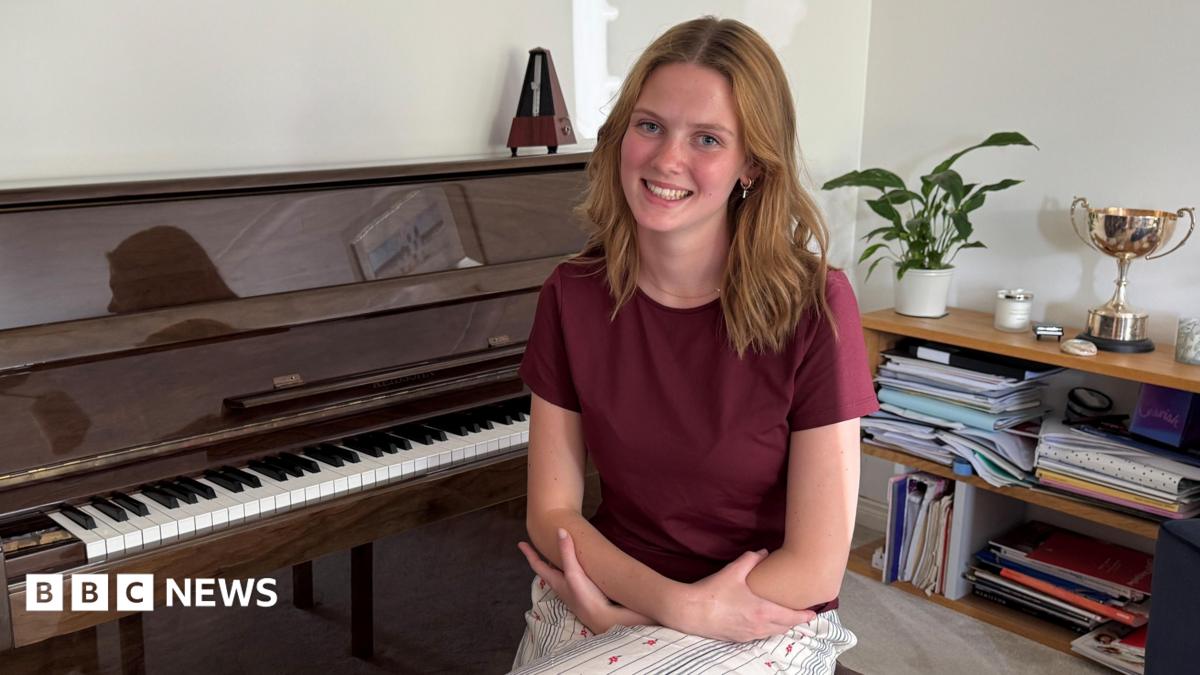
The BBC reports that Freya Terris passed her Grade 8 piano exam using one hand. Read the BBC story here: BBC News — I passed my Grade 8 piano exam with one hand.
The BBC article titled “I passed my Grade 8 piano exam with one hand” describes Terris’s achievement and notes that ABRSM has published a syllabus intended for one-hand candidates. In this piece we summarise the BBC account, explain what the report says about ABRSM’s response, and list the practical questions still outstanding for candidates and teachers.
What the BBC reported
The BBC reports that Freya Terris achieved a Grade 8 pass while playing with one hand. The story frames this as an individual accomplishment that has attracted attention because Grade 8 is commonly the highest graded standard for practical music exams.
The article also states that ABRSM has published a one-hand syllabus. The BBC presents the publication of the syllabus in proximity to Terris’s result; we attribute that sequencing to the BBC’s reporting rather than asserting an independently confirmed causal link.
ABRSM response and the new one-hand syllabus
As reported by the BBC, ABRSM has made a syllabus available aimed at candidates who play with one hand. The report describes this as a formal publication setting out repertoire and assessment expectations for one-hand entries.
Importantly, the BBC frames the syllabus publication as connected to public attention around Terris’s result. We do not assert ABRSM was definitively motivated by that single story — the BBC presents the association and we reflect that attribution here.
Why this matters for one-handed pianists
A published one-hand syllabus can clarify what examiners will expect from candidates who play with one hand. Clear syllabuses typically outline suitable repertoire, technical requirements and marking criteria, which helps teachers design targeted preparation.
For candidates with one hand, a dedicated syllabus can reduce the need for bespoke, case-by-case arrangements and may lead to more consistent assessment across centres. That predictability matters when planning entries and setting realistic goals.
Public recognition of high-level achievement by one-handed musicians can also influence the wider music community, encouraging resources, teaching materials and examination support tailored to one-hand technique.
What we still don’t know
The BBC report does not provide several practical details that candidates and teachers will want to know. It does not give an exam date for Terris’s Grade 8 attempt, nor does it publish the full syllabus text or a detailed breakdown of its content.
Key operational questions remain unanswered in the BBC piece: how ABRSM will map repertoire to one-hand grades, whether timings or marking rubrics will differ from two-hand exams, and how widely the syllabus will be offered across regions and centres.
The report also does not say how ABRSM will treat existing entries that predate the syllabus or whether there will be transitional arrangements. These administrative details are important for candidates planning imminent entries.
What comes next for candidates
Candidates and teachers should consult ABRSM’s official pages for the definitive syllabus and guidance. ABRSM’s website is the authoritative source for full syllabus texts, assessment criteria and entry procedures: ABRSM syllabuses.
Practical next steps include checking the syllabus section on ABRSM’s site, contacting your local exam centre or teacher about how and when the one-hand syllabus will be offered, and confirming entry deadlines, fees and examiner availability.
If you have access needs, discuss reasonable adjustments with ABRSM and your exam centre before entering. Written guidance and formal policies on access arrangements are normally provided by the exam board and are essential for planning.
Teachers should request clarification in writing from ABRSM or their regional centre about how specific repertoire choices will be assessed under the new one-hand provision, and whether any recommended preparation materials are available.
Background and context
Grade 8 is widely seen as a significant milestone in graded music exams, typically signalling advanced technical and musical competency. The publication of a syllabus for one-hand playing recognises that high standards can be achieved with different physical approaches.
Music exam boards have in recent years developed guidance and alternative assessment routes to improve accessibility. A formal one-hand syllabus aligns with this broader trend, but the precise effects on entries and assessment practice will depend on the operational detail ABRSM publishes.
We have presented the BBC’s reported facts and noted where the story links Terris’s achievement and ABRSM’s decision. For the full published syllabus text and any later clarifications or updates, consult ABRSM’s official materials and the BBC report linked above.
Source: BBC News — I passed my Grade 8 piano exam with one hand