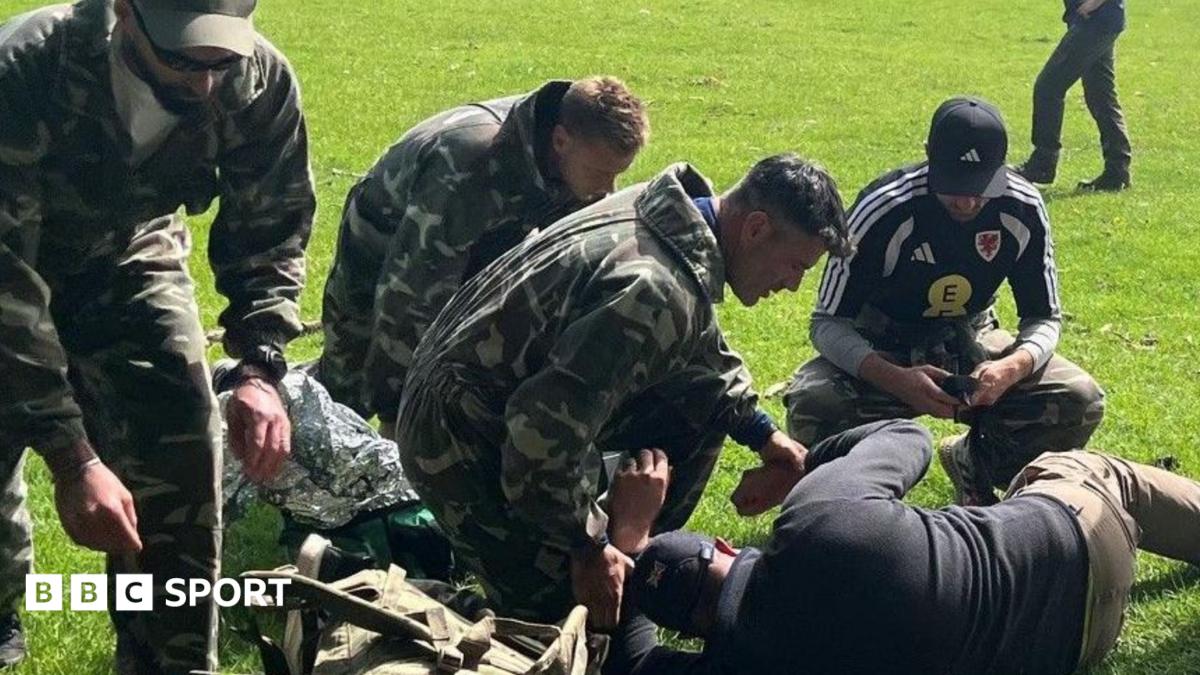
The Football Association of Wales has added military training to its Uefa pro licence course, using staged crisis exercises described by organisers as ranging “from kidnappings to invasions”. The sessions are intended to place coaches under pressure and test decision-making beyond the pitch.
Course leaders say the activities are simulated, led by experienced instructors and followed by structured debriefs. They argue the training helps senior coaches practise leadership and rapid judgement in unfamiliar circumstances.
What the FAW military training involves
The Football Association of Wales incorporates military training elements into its Uefa pro licence curriculum to expose coaches to high-pressure environments. Sessions mix role-play, scenario planning and supervised practical exercises.
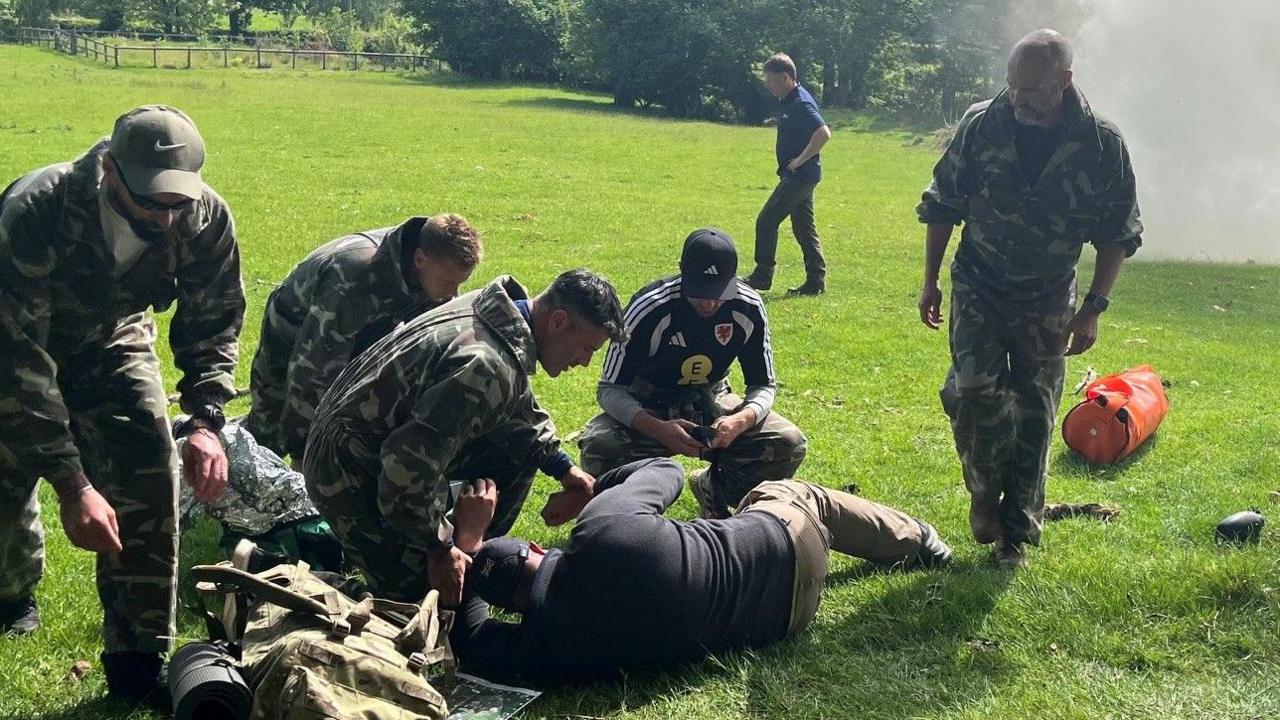
Exercises are staged and managed by instructors who set objectives and safety parameters. Participants must make quick decisions, then take part in facilitated reviews to reflect on leadership, communication and situational awareness.
Organisers stress the activities are educational and not operational military instruction. The phrase “military training” is used to describe the intensity and structure of the exercises rather than combat preparation.
Scenes and scenarios used
Reporters were told the course includes simulated events intended to test responses in chaotic circumstances. Descriptions from organisers include staged kidnappings, ambushes and small-scale invasion scenarios.
Role-players are used to represent victims, bystanders or perpetrators. Each exercise is followed by a facilitated review where coaches discuss what happened, how they reacted and what they learned about leadership under stress.
Why coaches take part
Organisers say the aim is to push coaches out of their comfort zone so they can practise clear decision-making when pressured. The training focuses on communication, rapid prioritisation and managing uncertainty — skills that can apply to match-day incidents and club crises.
Pro licence candidates are senior coaches who may face sudden problems, from security incidents to medical emergencies or intense media scrutiny. Simulated high-stress events can reveal gaps in leadership and teamwork that routine classroom sessions may not show.
Safety, oversight and criticism
Organisers say safeguards are in place: scenarios are planned, role-players briefed, and medical and welfare staff are available. They describe the exercises as controlled and designed for learning outcomes.
Reporters and external experts, however, highlight risk considerations. References to “kidnappings” and “invasions” are presented as course claims and should be treated as such. Vivid descriptions of potentially traumatic scenarios require careful management and clear participant consent.
Critics ask for transparency about safeguards, consent procedures and psychological support. Course providers say consent is obtained and that after-action reviews include welfare checks and support where needed.
What this means for coach education in Wales
Including military training elements within the Uefa pro licence indicates a broader interest in experiential and resilience-based learning for coaches. For the Football Association of Wales, the move aims to equip coaches with skills for complex, non-routine problems as well as tactical knowledge.
Whether other associations adopt similar methods will depend on clear evidence of benefit and robust welfare safeguards. Uefa-qualified coaching pathways allow national associations some flexibility, but any training must meet welfare and quality standards.
If the FAW publishes evaluations showing improved decision-making or leadership under pressure, similar approaches may be discussed more widely. For now, adoption elsewhere is likely to be cautious and contingent on demonstrated outcomes and transparent safety measures.
Key takeaways
- Military training elements are used on the Football Association of Wales’ Uefa pro licence to simulate high-pressure scenarios.
- Exercises reportedly range from staged kidnappings to invasion-style incidents and are followed by structured debriefs.
- The aim is to push coaches out of their comfort zone to develop leadership, communication and decision-making skills.
- Safety, consent and psychological support are central points of scrutiny; descriptions of scenarios are course claims and should be read with caution.
Frequently asked questions
Why does the FAW include military training in its Uefa pro licence?
Organisers say the training exposes coaches to unfamiliar, high-pressure situations to improve decision-making, leadership and communication under stress. The goal is to translate these skills into better on- and off-field management.
Are the “kidnappings” and “invasions” real or simulated?
The scenarios are reported to be simulated exercises using role-players and staged events. References to kidnappings and invasions come from course descriptions and should be treated as claims about the content and intensity of the simulations.
Will other associations adopt similar training?
Adoption elsewhere will likely depend on evidence that the approach improves coaching outcomes and on satisfactory welfare safeguards. Some associations may trial similar methods cautiously, while others may prefer different experiential learning techniques.
Source: BBC News – World. Original reporting: “Bombs, blood, ambushes – football coaching with the army” (https://www.bbc.co.uk/sport/football/articles/cd7we8we4xgo?at_medium=RSS&at_campaign=rss).