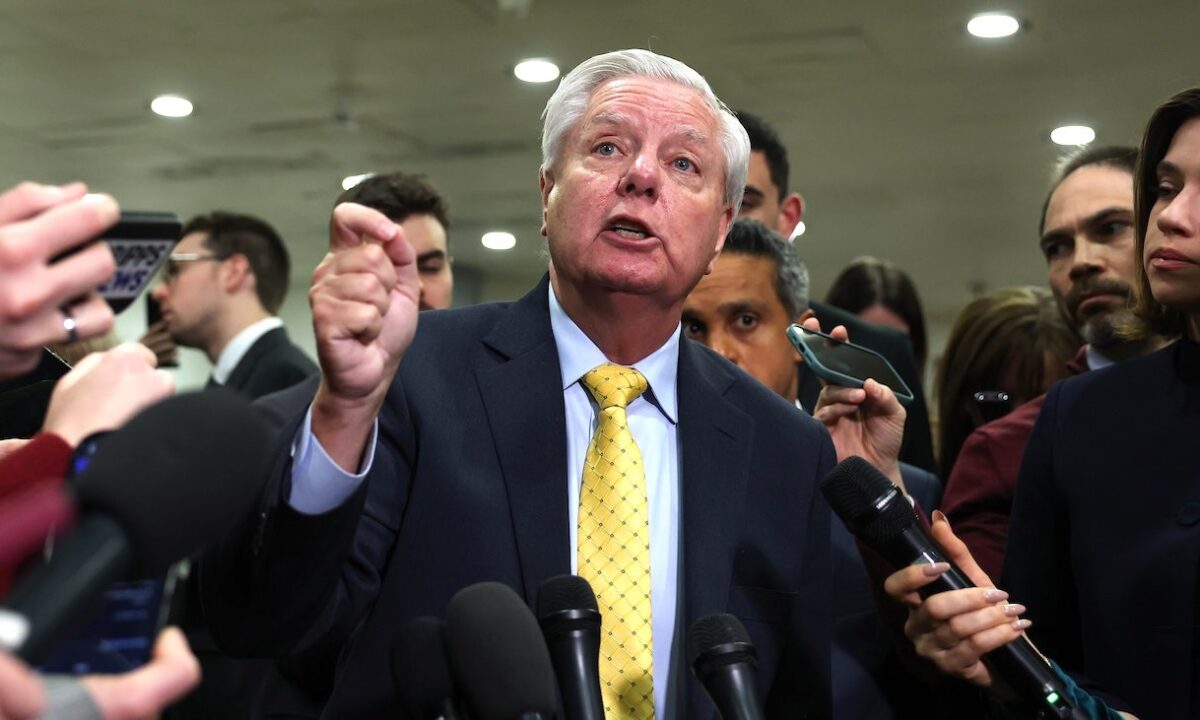
The Senate return this week launches a condensed, high-stakes sprint through the remainder of July and into early August. Lawmakers face a crowded calendar of confirmations, a push to attach the SAVE America Act to must-pass national security legislation, a compressed appropriations timeline and renewed debates over Iran and war powers. Reporting that circulated about Sen. Lindsey Graham’s status has added political uncertainty; those reports were not independently corroborated at the time of publication and are described here only as part of the media landscape shaping the week’s politics.
Top agenda items to track this sprint:
- Key confirmations: Jay Clayton (DNI nominee) and Acting AG Todd Blanche.
- Efforts to attach the SAVE America Act to the NDAA and the resulting vote math.
- Appropriations and a compressed government funding schedule.
- Reported Iran-related strikes and the continuing war powers debate.
- Near-term hearings and floor fights that could reshape the calendar through late July.
“We really empower the Democrats to have a reason to be able to stop stuff that otherwise they would probably have to vote for.” — Sen. Mike Rounds
Senate return: what lawmakers must do this sprint
The Senate return forces leaders to triage. Majority Leader John Thune must balance competing demands from conservative holdouts and more moderate GOP senators while managing a slimmer margin in closely contested procedural fights. Minority Leader Chuck Schumer and Senate Democrats are positioned to press fractures in Republican unity on high-profile items.
The compressed schedule heightens the stakes for each roll call and raises the potential value of tradeoffs — particularly on must-pass measures that can be used as leverage for policy provisions or nominations.
Key confirmations this week (Senate return)
Two confirmation processes dominate the early sprint. Jay Clayton is scheduled to appear before the Senate Intelligence Committee for consideration as Director of National Intelligence; the committee-level consideration is set for the coming days. Acting Attorney General Todd Blanche is also scheduled for Senate Judiciary Committee consideration this week.
Both hearings will test whether Republican senators can hold together a narrow governing majority on sensitive nominations tied to national security and law enforcement oversight. Media coverage has highlighted prior interim appointments — including an earlier acting designation for Bill Pulte — as factors that intensified scrutiny of the administration’s choices; those reporting items are attributed to contemporaneous news accounts and commentary.
“I’m going to go through the nomination process. I have got a positive predisposition towards Blanche.” — Sen. Thom Tillis
- Senate margin: tighter in practical terms for leaders navigating close procedural votes.
- Target window for sprint: remainder of July into the first week of August.
- Confirmed hearings this week: Jay Clayton (Intelligence committee consideration) and Todd Blanche (Judiciary committee consideration).
SAVE America Act and the NDAA fight
Republicans have sought to attach the SAVE America Act — an elections-related measure — to the National Defense Authorization Act (NDAA), citing the NDAA’s traditional position as must-pass, bipartisan national security legislation. Proponents view the NDAA as leverage to advance a party-priority bill; opponents warn that such a move risks turning the NDAA into a vehicle for partisan fights.
Practically, attaching SAVE to the NDAA raises two central strategic challenges: (1) it could complicate the NDAA’s bipartisan coalition, and (2) it forces senators to weigh defense priorities against a contentious domestic policy change. That makes the bill linkage a likely source of intense floor debate and procedural maneuvering during the Senate return.
Appropriations and the government funding sprint
Appropriations leaders plan to move a subset of spending bills during the compressed July sprint while balancing the risk of needing short-term continuing resolutions to avoid a partial government lapse. Leadership must decide which appropriations vehicles to prioritize on the floor and whether to package measures together to secure the votes needed to advance them.
With limited floor time and competing priorities, the path to finishing full-year appropriations before the fall is narrow. Expect stopgap measures or narrowly negotiated packages if bipartisan compromises cannot be reached quickly.
Iran strikes and war powers context
News reports in recent days described renewed U.S. strikes tied to incidents involving commercial vessels and regional actors near the Strait of Hormuz. Those reported operations have revived debate in Congress over presidential war powers, the thresholds for authorizing force, and whether lawmakers should pursue binding constraints versus nonbinding statements of position.
Lawmakers have previously considered nonbinding measures and targeted resolutions concerning the scope of the executive branch’s authority; some Democrats have indicated they may seek additional, potentially binding votes to limit new overseas military actions without explicit congressional authorization. These are likely to surface as the Senate returns, particularly in any debate tied to intelligence authorizations or Section 702-related oversight.
What to watch next
Key near-term items and signals to track during the Senate return:
- This week: committee consideration of Jay Clayton (Intelligence) and Todd Blanche (Judiciary).
- Late July: initial floor consideration of the NDAA and select appropriations measures during the condensed Senate sprint.
- Ongoing: any formal effort to attach the SAVE America Act to must-pass legislation and any filed war-powers or authorization measures related to reported strikes.
Pay attention to any announced discharge motions, amendment votes on the NDAA, and public statements from swing senators who could change the margin for cloture or final passage on contested items.
Key takeaways
The Senate return compresses a broad agenda into a short period. Confirmations for national security and justice posts, an attempt to link the SAVE America Act to the NDAA, and a fast-moving appropriations calendar are the primary drivers of floor politics. Reported Iran-related actions add urgency to oversight and war-powers questions, increasing the chances that national security and domestic priorities will collide during the July sprint.
Source attribution: coverage and reporting that informed this analysis include the Fox News report “Senate returns to packed agenda after Graham’s death shrinks GOP margin” (linked below). Specific committee schedules and filings should be consulted on official Senate committee pages and the Senate calendar for the latest timing and published roll-call information.
Original reporting: Fox News: Senate returns to packed agenda after Graham’s death shrinks GOP margin
Background: The Senate had been in recess and returns with a shortened floor calendar designed to resolve several high-priority items before members depart again. Leadership decisions this week will determine whether judges, nominees and spending bills move quickly to final votes or become bargaining chips in a condensed legislative window.