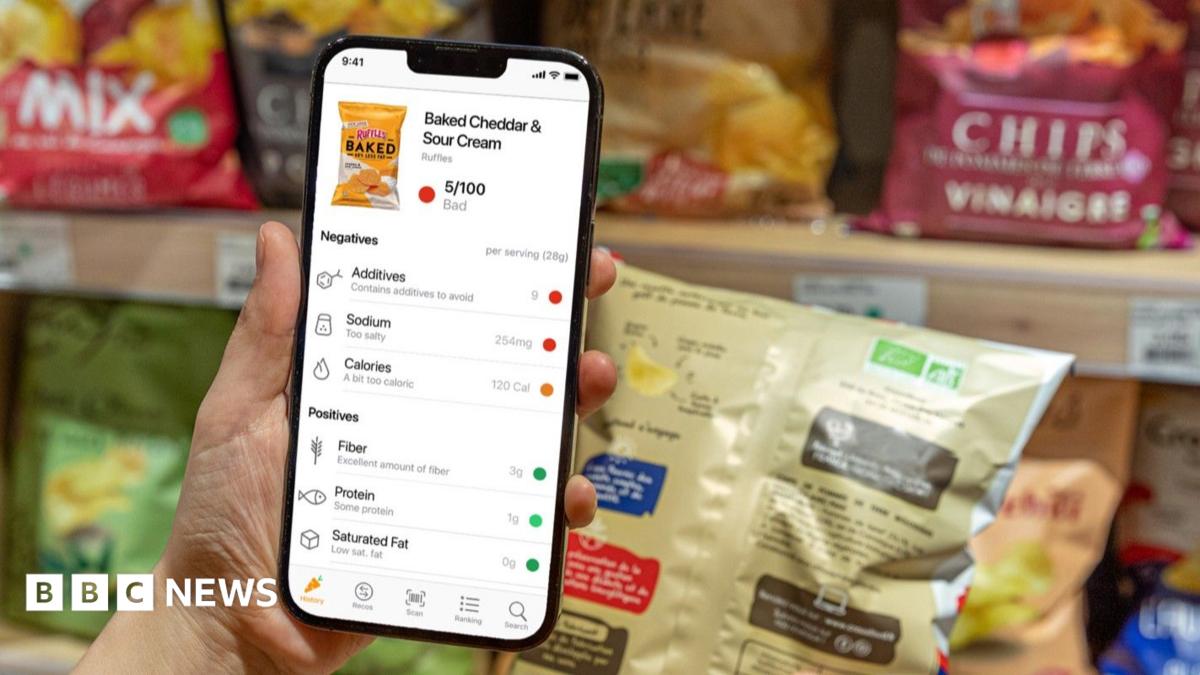
The BBC recently asked whether food tracking apps are a good way to make people eat a healthier diet. In short, food tracking apps can give clearer information about what you buy and eat, but the evidence they produce better diets is not conclusive.
This article explains how these apps track purchases, what studies and the BBC report say about outcomes, practical steps for people curious to try them, and why the question matters for public health and retailers.
Quick summary
BBC coverage raises the core question: do food tracking apps actually change what we put in our shopping baskets or on our plates? Many apps now link receipts or card data to food databases and let users see patterns over time.
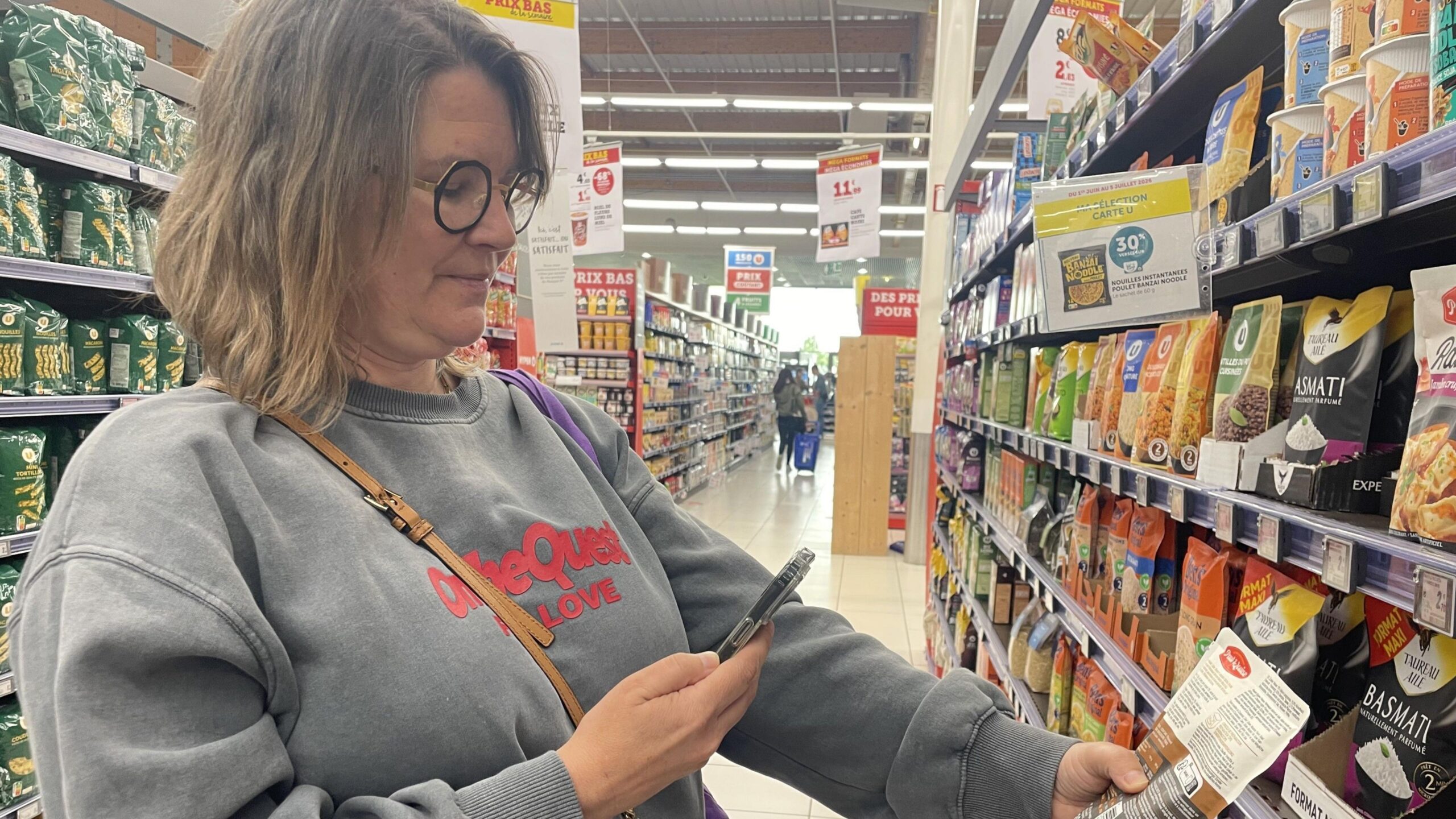
The main takeaway from current reporting and research is cautious. Tracking can increase awareness, but awareness alone does not reliably translate into sustained healthier eating.
How food tracking apps work
Food tracking apps use several methods to collect purchase or intake information. Some ask users to scan barcodes or take photos of receipts. Others connect to bank or card data to map transactions to groceries.
Apps then match items to nutrition databases to estimate calories, sugar, salt and other nutrients. Matching can be automated, but it depends on the quality of product databases and the app’s algorithms. Where automatic matching fails, users may need to correct or tag items manually.
Tracking purchases is not the same as tracking intake. Receipt-based or card-linked tracking shows what was bought, not necessarily what was eaten, shared or thrown away. Apps that let users add context — for example when items are for family meals, parties or work — can narrow this gap but still cannot fully verify actual intake.
What the evidence says
Research on whether food tracking apps improve diet is still developing. Some studies suggest monitoring increases short-term attention to food choices, while longer-term effects on weight or health are weaker.
The BBC article emphasises that the evidence is not conclusive. Trials vary in size, length and the features tested, so results are mixed across studies and contexts.
Key limits include imperfect data and behavioural gaps. Purchase tracking can miss context: who prepared the meal, portion sizes, or out-of-home eating. Many studies also rely on self-selected users who may be more motivated to change, which can bias results.
Apps that combine purchase tracking with personalised feedback, coaching or financial incentives tend to show more promising but still modest effects. Even in those cases, studies often flag questions about sustainability, equity and whether short-term changes persist once active support ends.
Tips for users
If you want to try food tracking apps, think of them as tools to increase awareness, not guaranteed fixes for diet or health.
- Set a clear, realistic goal — for example, increasing vegetables or reducing sugary drinks. Specific goals make tracking actionable.
- Pick an app that fits how you shop: receipt upload, barcode scan, or bank-data linking. Ease of use helps long-term tracking.
- Use tracking plus action: plan meals, check nutrition labels and keep healthy staples at home. Tracking alone often isn’t enough to change habits.
- Look for apps that offer personalised feedback or behaviour prompts rather than only raw data summaries. Small nudges and reminders can support new routines.
- Be realistic about privacy: apps that use purchase or card data should have clear privacy policies and opt-in choices. Decide what level of data sharing you’re comfortable with before you link accounts.
Tracking can help you notice patterns—like frequent impulse buys or repeated high-sugar items—but changing habits usually requires replacing old routines with achievable alternatives. Consider combining an app with simple strategies such as weekly meal plans, shopping lists, and limiting marketing exposure in-store.
Why it matters
The question matters beyond individual consumers. Retailers, app developers and policymakers are interested in whether shopping-data nudges can shift population diets. If reliable, purchase tracking could influence product promotion, in-store placement and digital marketing strategies.
From a public-health perspective, data-driven approaches could help target interventions or evaluate programmes. But regulators and health agencies remain cautious: effective public-health interventions typically combine data with education, access to healthier options and policy levers such as pricing, portion guidance or product reformulation.
Any rollout at scale would need to weigh benefits against risks, including privacy concerns and the potential for interventions to widen inequalities if they work better for more motivated or better-resourced groups.
Frequently asked questions
Do food tracking apps track purchases automatically?
Some apps can, if you give permission to link bank or card data or if you forward or upload digital receipts. Others require manual entry, barcode scans or photo uploads. Automatic tracking depends on the app’s features and your privacy choices.
Will tracking purchases alone change my diet?
Not necessarily. Tracking purchases raises awareness but does not guarantee behaviour change. Combining tracking with clear goals, meal planning and supportive feedback increases the chances of improvement.
Which features matter most in a food tracking app?
Ease of input, accurate item matching, useful summaries, personalised feedback and privacy controls are among the most helpful features. Features that support small, sustained behaviour changes tend to be more valuable than complex dashboards.
Source attribution
This article draws on the BBC News – Business piece “Is tracking your food purchases good for your health?” published on 2026-07-13. Read the original here: BBC News – Business.