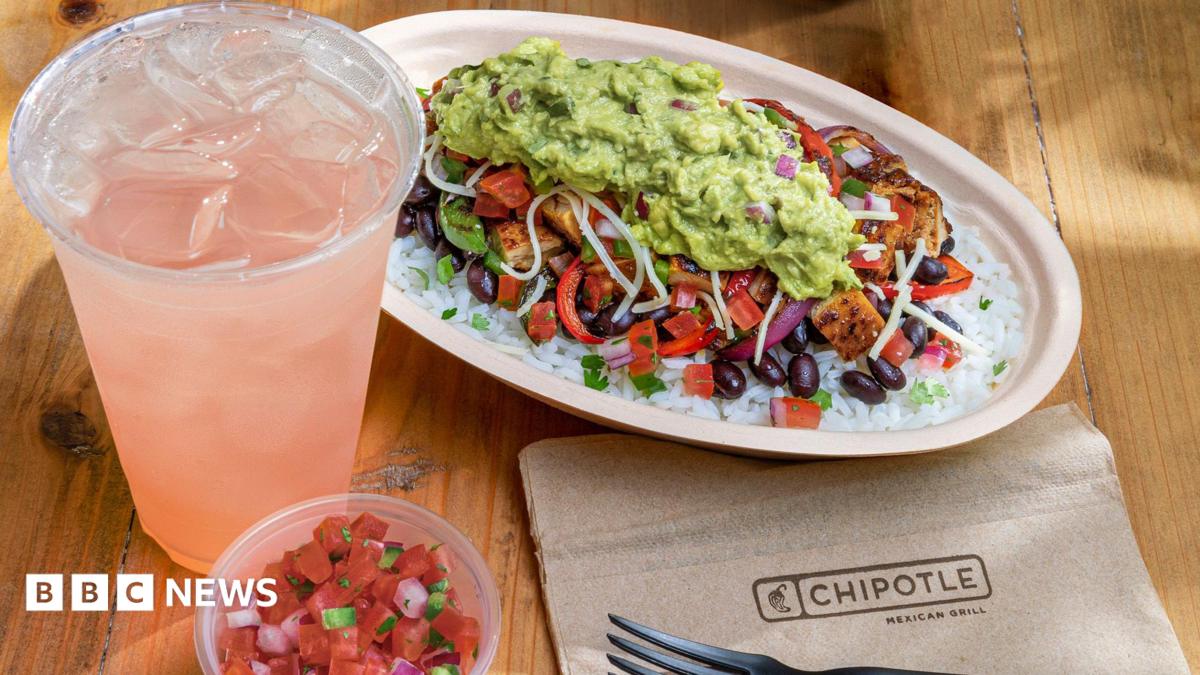
Chipotle is preparing to open its first restaurant in Mexico, the BBC reports, in a move that brings the US-based Mexican-food chain into the country most associated with the cuisine. BBC News published the report on 2026-07-14, saying the company is preparing to launch operations in Mexico for the first time. The announcement has generated immediate interest among diners, industry watchers and local restaurants.
Chipotle to open its first restaurant in Mexico
The BBC article framed the expansion as a milestone for the brand, which has expanded across the United States and into other international markets but has not previously operated in Mexico. The report did not include a detailed rollout timetable or confirmed locations; it described an intent to enter the market and suggested further details will follow from Chipotle when ready.
What the BBC reported
BBC News, in its 2026-07-14 piece, set out the basic facts: Chipotle intends to open its first restaurant in Mexico. The story positioned the development as notable because Mexico is the origin of many of the dishes and ingredients the chain uses, and because operating in the country carries different commercial and cultural dynamics than other international markets.
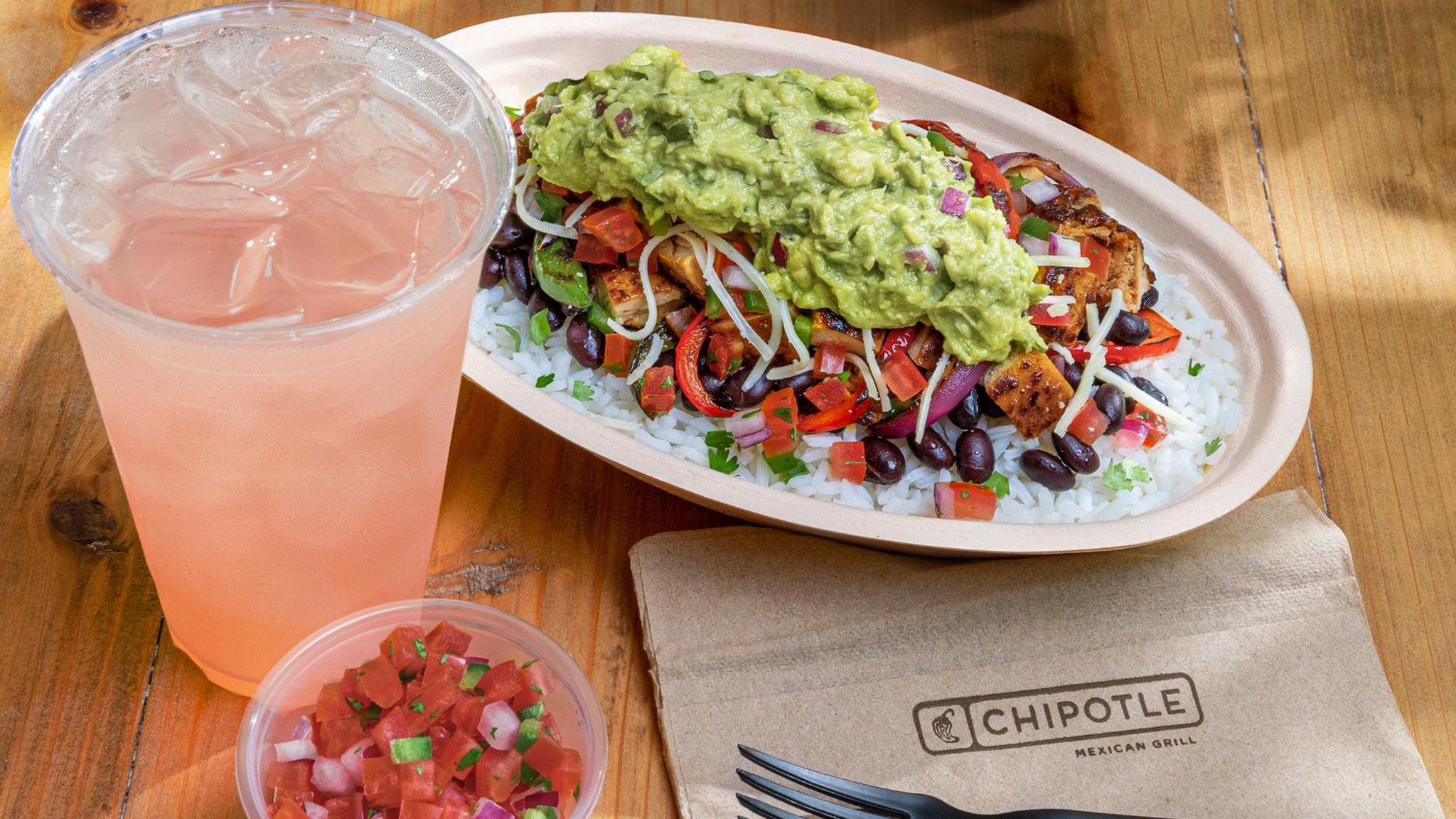
The BBC report is the primary source of this update; it did not list opening dates, specific cities, or confirmed site addresses. Readers should expect further announcements from the company and local authorities as planning and approvals progress.
Why Chipotle is entering Mexico now
Several strategic reasons make Mexico a logical next step for a large North American chain. Mexico offers a large, urbanised consumer base, well-established food supply networks and close geographic proximity to Chipotle’s US operations — all factors that can reduce logistics costs and speed initial rollout.
For Chipotle, entering Mexico is also an opportunity to test menu decisions and sourcing strategies closer to ingredient origins. Working with local suppliers could mean access to fresh produce and traditional varieties of chiles, corn and beans, while also presenting the challenge of aligning those ingredients with the chain’s standardised preparation methods.
At the same time, Mexico’s diverse regional tastes and price sensitivities mean the company will likely need to consider portion sizes, price points and possible menu adaptations. Successful international openings often combine brand strengths with local adjustments rather than a straight transplant of an existing menu.
How other US fast-food brands have fared in origin countries
The BBC piece notes that entering a country tied closely to a cuisine can be complicated. It observed that some US-based chains have faced challenges when they tried to operate in the countries where their signature dishes originated. Those challenges commonly include local perceptions of authenticity, entrenched domestic competitors and differing expectations around preparation and price.
Rather than naming specific chains, the lesson for Chipotle is clear: success in origin markets often depends on how well a brand adapts to local culinary norms and competitive landscapes. Supply-chain differences, local regulatory frameworks and the presence of established neighbourhood restaurants can all shape outcomes.
What this means for Mexican diners and local rivals
Mexican diners are likely to react with curiosity and scrutiny. Some customers may be attracted by the international brand and its consistency; others may compare offerings to long-standing local taquerías and family-run restaurants known for regional recipes and techniques.
Local chains and independent restaurants typically benefit from close relationships with regional suppliers and a deep understanding of local flavour profiles. That familiarity can be an advantage versus a foreign chain whose cuisine is interpreted through a US-centric lens.
Chipotle’s commercial approach — from pricing and portioning to sourcing and staffing — will influence how the brand is received. Adjustments such as locally tailored menu items, different portion sizes or partnerships with Mexican suppliers could help bridge expectations and win repeat customers.
What comes next
Expect a phased flow of confirmation steps: official statements from Chipotle with locations and opening dates; local municipal permits and regulatory filings; and recruitment postings for restaurant staff. Observers often track commercial property leases and job adverts as early signs of where a chain plans to open first.
Industry watchers will also look for details about menu localisation, supplier choices and pricing strategy. Those elements will indicate whether Chipotle aims to position itself as a premium international option, a broadly accessible chain, or somewhere in between.
FAQ
When will Chipotle open in Mexico?
The BBC report did not give a firm opening date. The company has announced an intention to enter Mexico; further specifics should come from Chipotle or local authorities in subsequent announcements.
Will Chipotle change its menu for Mexican customers?
It is common for international chains to adapt menus in response to local tastes and ingredient availability. Any changes Chipotle chooses — whether to portion sizes, ingredients, or pricing — will likely aim to align offerings with customer expectations in Mexico.
Why do some US fast-food brands struggle in countries tied to their cuisine?
Challenges include differing taste preferences, strong local competitors with deep culinary roots, supply-chain and regulatory differences, and customer expectations about authenticity. Adapting operations and menu offerings is often essential to succeed.
Source: BBC News — US Mexican food chain Chipotle to open first restaurant in Mexico (published 2026-07-14).