The Daniel Erving drowning investigation is now moving through the criminal justice system after Dallas detectives recovered the 18-year-old’s body from Lake Ray Hubbard and two teenagers were arrested on evidence-tampering allegations. Authorities and the family disagree about whether the full circumstances have been explained; relatives and an advocacy group are urging prosecutors to consider additional charges.
Daniel Erving drowning: what is known
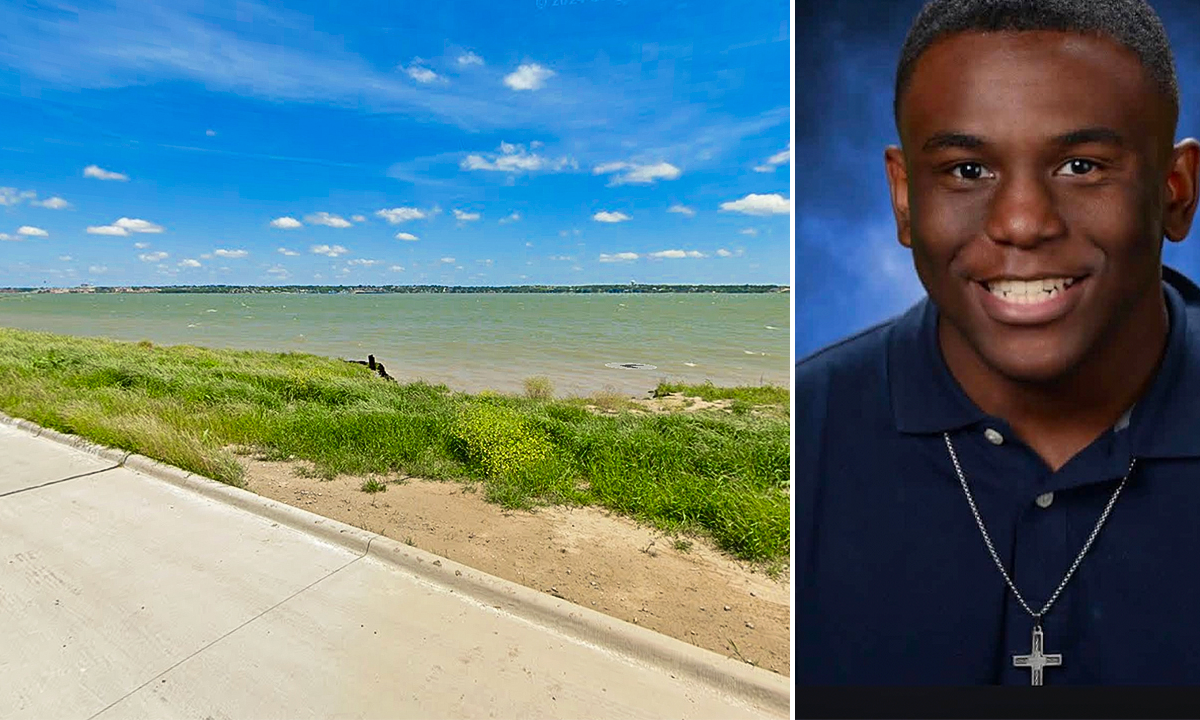
Dallas and Rowlett police say Erving, 18, was last seen leaving his Rowlett home on April 13. His body was recovered three days later near the Paddle Point area of Lake Ray Hubbard. The Dallas County Medical Examiner later ruled the cause of death to be drowning and the manner accidental, officials said.
Police statements and an arrest affidavit obtained by local media describe actions by people who were with Erving that investigators say warranted further probe. Those claims are contained in the affidavit or in public statements by investigators and have not been proven in court.
Timeline of events at Lake Ray Hubbard
April 13, about 4:45 p.m. — Erving left his Rowlett home and was last seen that afternoon, Rowlett police said. He reportedly left behind his driver’s license, money and other personal items, according to the Rowlett Police Department.
April 16 — Searchers and investigators recovered a body near the Paddle Point area of Lake Ray Hubbard and later identified it as Erving, Dallas police said. The Dallas County Medical Examiner determined the cause of death was drowning and ruled the manner accidental.
In the days after the recovery, detectives conducted witness interviews and collected physical evidence at locations connected to the people who had been with Erving, police said. Those investigative steps led to arrest warrants alleging evidence was tampered with after the incident.
Evidence, affidavit claims and arrests
Dallas police said detectives obtained arrest warrants charging 19-year-old Lucas Roper and a juvenile with Tampering with Physical Evidence, a third-degree felony. Both suspects were arrested and will face the court process, authorities said.
The arrest affidavit obtained by local reporters alleges that Erving and two others jumped from a railroad bridge near Miller Road into the water, and that Erving drowned after entering the water. The affidavit further alleges that some people present failed to report the incident, discarded Erving’s clothing, deleted messages from his cellphone and threw the phone from a vehicle.
Those actions are described in the affidavit as alleged conduct; police and prosecutors must prove criminal elements in court before a conviction. Police told reporters investigators gathered witness statements and physical evidence, and that some details are being withheld while the inquiry and any prosecutions remain active.
Family response and calls for accountability
Erving’s family held a news conference organized by the Next Generation Action Network (NGAN) to press for transparency and further review of the case. Family attorney Sean Daredia said the family has retained an independent investigative team to review the materials obtained by police.
“If it’s an accident, why hide the clothes? Why flee the scene? Why toss Daniel Erving’s cell phone out the car?” Daredia said, urging prosecutors to present the matter to a grand jury if the evidence supports that step.
Erving’s mother, Tameca Erving, asked why anyone would dispose of her son’s belongings if his death were purely accidental. “A reasonable-minded person would know if you are not guilty of a crime, why would you throw away his clothes and delete messages and not even call his mother? I want justice for my son,” she said.
NGAN President Dominique Alexander called the arrests “a significant step” while urging authorities to follow the evidence wherever it leads and pursue additional charges if supported by the facts.
Investigation status and what comes next
The Dallas Police Department is the lead agency in the active investigation because the death occurred within the City of Dallas, officials said. The Rowlett Police Department initially investigated Erving’s disappearance and is assisting Dallas investigators as requested.
Police emphasized that some investigative details are being withheld to avoid compromising ongoing work. The tampering arrests do not resolve whether additional charges, including possible homicide-related counts, may be warranted; prosecutors must review the evidence and decide whether to bring further charges or present the case to a grand jury.
Legal experts explain that Tampering with Physical Evidence is a felony when it is alleged someone altered, destroyed or concealed evidence that could be used in an investigation. If prosecutors allege other crimes after reviewing forensic and witness evidence, they may seek additional indictments through the district attorney’s office and a grand jury process.
Family members and advocates have asked the Dallas County District Attorney’s Office to review the investigative file. Prosecutors will determine whether to file additional charges based on the evidence collected by police and any independent review requested by the family.
What investigators are asking from the public
Authorities and the family have asked anyone with information about the events at Lake Ray Hubbard on April 13 to contact investigators. While there is not a publicly released, case-specific tipline listed in police statements, officials encourage witnesses to reach out to the Dallas Police Department or Rowlett Police Department with relevant information.
FAQ
What did the medical examiner rule in Daniel Erving’s death?
The Dallas County Medical Examiner determined the cause of death was drowning and ruled the manner accidental, according to police statements.
Who was arrested and what charges do they face?
Dallas police obtained arrest warrants charging 19-year-old Lucas Roper and a juvenile with Tampering with Physical Evidence, a third-degree felony. Those allegations appear in the arrest warrants and affidavit; they are not proof of guilt.
Which agency is leading the investigation and what happens next?
The Dallas Police Department is the lead agency on the active investigation, with assistance from Rowlett police. Prosecutors at the Dallas County District Attorney’s Office will review evidence and decide whether to pursue additional charges or present the case to a grand jury.
Reporting for this article draws on the Fox News account of the arrests and the arrest affidavit, together with public statements from law enforcement and the Dallas County Medical Examiner. For the original reporting, see the Fox News article cited below.
Agencies referenced: Dallas Police Department; Rowlett Police Department; Dallas County Medical Examiner.