
Researchers are asking whether a changing Atlantic could be behind recent record heat and whether it will push UK weather toward greater volatility. The question of a “changing Atlantic” sits at the centre of new scientific work that links warmer seas and air to shifts in currents, storm tracks and the jet stream, and researchers are probing whether those changes could translate into more unpredictable weather for the UK.
The investigation follows unusually high temperatures on land and at sea this year. Scientists are combining observations, historical records and targeted modelling to understand how ocean changes may ripple into British weather patterns and seasonal extremes.
What scientists observed
Researchers began by documenting record heat on land and sea, then compared those conditions with long-term ocean records. In several parts of the North Atlantic, sea surface temperatures have been persistently above the long-term average for recent seasons, prompting closer analysis.
Teams reported temperature anomalies in ocean surface layers and shifts in where heat tends to accumulate at different seasons. Those changes appear alongside variations in storm frequency and timing in observational datasets, which has led scientists to ask whether the changing Atlantic is affecting how storms form and where they travel.
Investigators stress the patterns are complex. As one broad summary from the community puts it: the observations raise clear questions that need systematic testing rather than offering immediate, certain answers.
How the changing Atlantic shapes UK weather
The Atlantic influences UK weather through several connected processes. Sea surface temperature, the paths of ocean currents and the position and strength of the jet stream all work together to influence rainfall, temperature and storm tracks over weeks to seasons.
Warmer surface waters change the temperature gradient between ocean and atmosphere. That can alter pressure patterns across the North Atlantic, nudging the jet stream — a fast, high-altitude river of air that helps steer weather systems. When the jet stream slows or meanders, weather systems can stall, bringing longer periods of rain or heat to the same area.
Ocean currents — including the northward transport of warmer water and the cooler return flows — also matter because they redistribute heat. If these currents slow, speed up or shift position, heat can build up in different regions. That affects evaporation, atmospheric moisture and the likelihood of intense storms or prolonged dry spells reaching the UK.
For example, a jet stream displaced farther north may steer storms away from the UK, producing quieter, drier spells, while a more southerly position could bring increased storminess. These are not deterministic outcomes: small changes in currents or atmospheric pressure can produce a variety of regional responses.
What the new research shows and its limits
Early results show statistical links and model experiments that produce increased variability when certain ocean features are altered. Some models reproduce stronger swings in temperature and rainfall after prescribed changes to North Atlantic conditions; others show smaller or inconsistent signals.
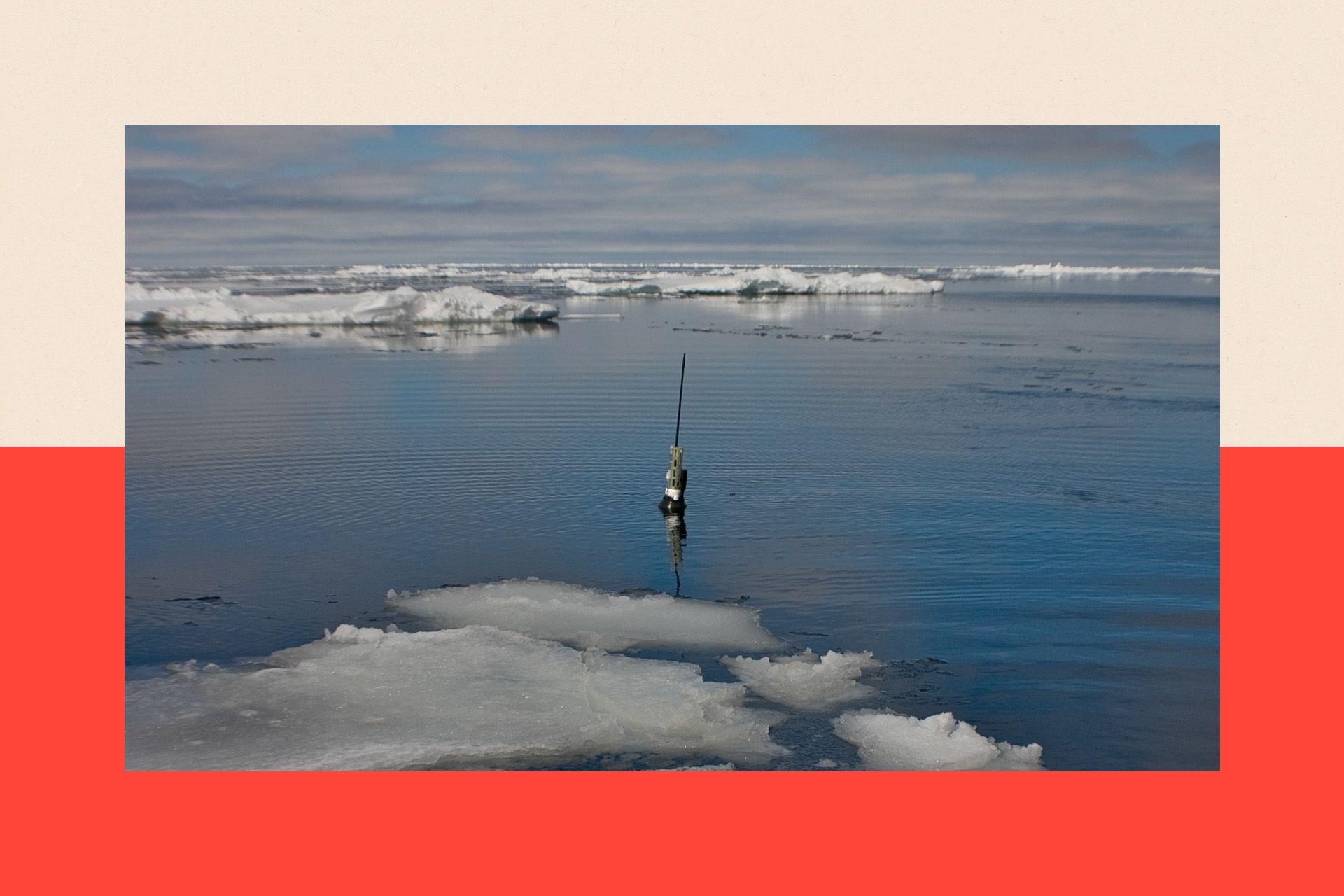
Scientists are investigating these links with multiple approaches: improved observations (including more ocean buoys and satellite data), extended historical analyses and high-resolution climate model experiments that isolate particular mechanisms. This multi-method approach helps test whether observed patterns are robust or whether they arise from natural variability.
Researchers repeatedly emphasise that the connection is not confirmed. The climate system includes many interacting parts, and similar weather changes can be produced by different drivers. That is why teams describe the outcome as a subject of active investigation rather than a settled conclusion.
Paraphrasing the cautious consensus: the signals are suggestive but not definitive, and further data and multiple independent studies will be required to move from plausible mechanism to high confidence attribution.
Researchers are exploring whether a changing Atlantic could increase UK weather volatility. Evidence to date is emerging but not conclusive; prudent planning and improved monitoring are sensible interim steps.
Why this matters for people and services
Greater weather volatility would affect households, local communities, emergency services and infrastructure planning across the UK. Even modest increases in the frequency or intensity of extreme events can strain response systems and budgets.
Planning bodies and transport operators may need to prepare for a wider range of scenarios, from longer heatwaves that increase demand for energy and water, to more intense rainfall events that test drainage and flood defences. Emergency services must consider both rapid-onset events and longer, compound hazards.
Critical infrastructure — roads, rail, power networks and sewage systems — is generally designed using historical records. If the statistical distribution of extremes shifts, engineers will need updated climate risk assessments to prioritise adaptation work and refurbishment schedules.
In the short term, recommended steps include increasing ocean and atmospheric monitoring, updating contingency plans to cover a broader range of plausible scenarios, and ensuring clear public messaging during periods of unusual weather. These are pragmatic measures that reduce vulnerability while scientific uncertainty is resolved.
What comes next for the research
Researchers will continue combining observations with targeted modelling experiments to test specific hypotheses about the Atlantic’s role. International coordination is important because the Atlantic is a shared system and changes can have wide-reaching impacts across Europe and North America.
Longer observational records, more ocean monitoring platforms and higher-resolution models should help reduce uncertainty over the next several years. Researchers also plan to conduct model intercomparisons to see which results are robust across different climate models and which depend on model specifics.
FAQ
Could the Atlantic definitely make UK weather more extreme?
The link is plausible and under active investigation, but it is not yet confirmed. Researchers emphasise cautious interpretation while they test hypotheses with models and observations.
Is this change linked to human-caused climate change?
Human-driven warming increases ocean heat content and alters atmospheric circulation, which can influence Atlantic behaviour. Attribution of specific regional changes requires detailed analysis and remains an active area of research.
How soon could any increased volatility affect the UK?
Some shifts could become clearer over a decade or more, while other effects might already influence seasonal weather patterns. Given uncertainties, planning should focus on building resilience and flexibility in systems and infrastructure.
Source: BBC News
After record heat, could the Atlantic make Britain’s weather even more extreme?