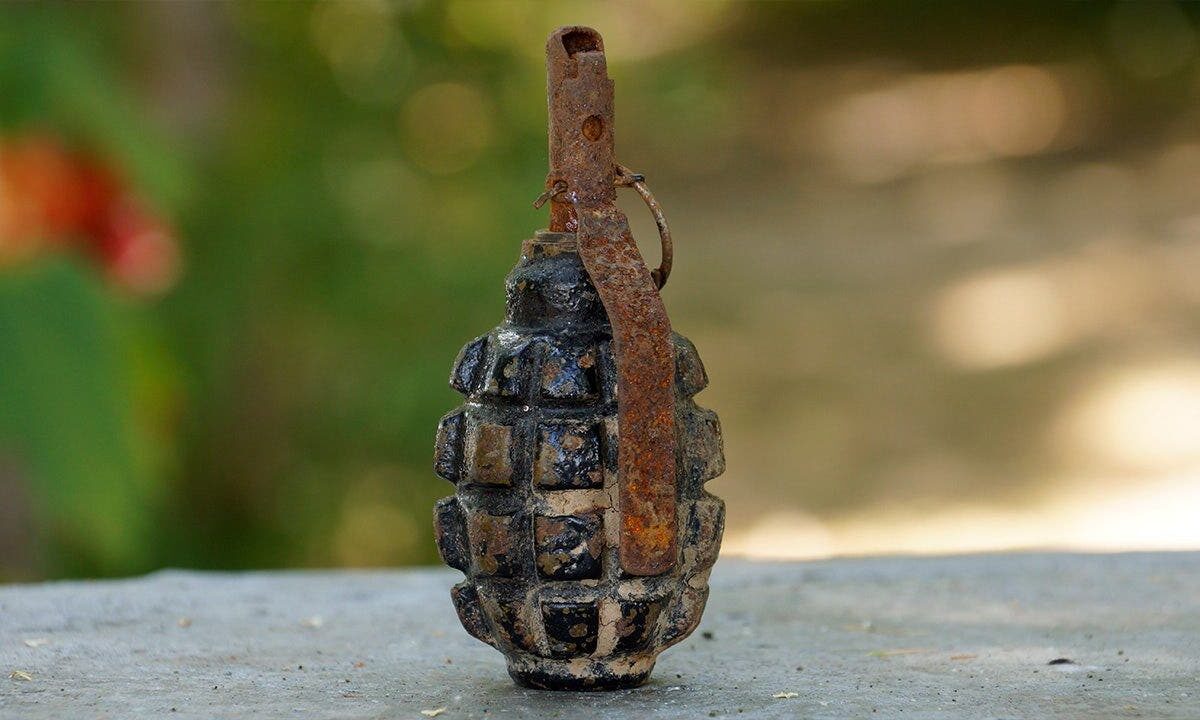
“If you find an unexploded ordnance, leave it where it is and contact your local police,” the Ontario Provincial Police said. An individual recently brought an unexploded WWII grenade to the Ottawa OPP Detachment for disposal, prompting the reminder about public safety and proper response.
Unexploded WWII grenade: what happened
The OPP published a public-safety post on July 10 saying an individual handed an unexploded WWII grenade to officers at the Ottawa OPP Detachment so it could be disposed of. Fox News reported on the police post on July 14, 2026, summarizing the incident and the department’s warning to the public.
What police say and safety steps
The OPP advised: “If you find an unexploded ordnance, leave it where it is and contact your local police.” To make that guidance actionable, follow these three clear steps:
- Stop and move away calmly. Do not touch, move or disturb the object.
- From a safe distance, note the location and call your local police immediately. Do not transport the device.
- Follow police instructions. Officers will arrange for their Explosives Disposal Unit to attend and safely discard the item.
What you should do now: If you believe you have found an unexploded WWII grenade, retreat to a safe distance, keep others away, and call 9-1-1 or your local police. Do not attempt to secure or move the item.
Why bringing ordnance to stations is risky
Moving an aged explosive increases the chance of accidental detonation. Corrosion, brittle casings or unstable fuzes common in vintage munitions can make them unpredictable when jostled or handled. Transporting a device in a vehicle or through populated areas risks injury to bystanders and the person moving it.
Police stations and patrol vehicles are not equipped to safely contain live ordnance brought in by members of the public. Trained technicians in an Explosives Disposal Unit have specialized containment gear, remote-assessment tools and controlled procedures for handling, neutralizing or removing vintage munitions in a way that reduces risk to the community and first responders.
What happens next for the community
When alerted, local police secure the scene and contact their Explosives Disposal Unit. The disposal team assesses the item and decides whether to neutralize on site or transport it to a controlled facility using approved containment methods. Depending on the assessment, officers may cordon off the immediate area and, if necessary, advise temporary evacuations until the device is rendered safe.
In this incident the OPP’s statement focused on the safety reminder; the department did not provide further public details about disposal location or follow-up checks. Residents near any scene where an Explosives Disposal Unit is working should follow official instructions and avoid the area until authorities declare it safe.
Source and context
Finding WWII munitions is a known, though uncommon, occurrence outside former battlefields. Police and media note that discoveries are more frequent in certain European regions, such as Belgium’s Ardennes Forest, than in Canada. The OPP used this recent handoff to underscore safe behavior for potential finders.
Fox News reported on the OPP’s post on July 14, 2026. For verification and further reading, see the original item: Canadian police politely ask people to stop bringing unexploded WWII grenades.
FAQ
What should I do if I find an unexploded WWII grenade?
Leave it exactly where you found it. Move away to a safe distance, keep others clear of the area, and call your local police. Do not touch, move or attempt to disarm the device yourself.
Why should I not transport found ordnance to a police station?
Transporting a live or degraded explosive may trigger detonation and endanger the public, the person transporting it and emergency responders. Ordinary vehicles and police stations are not safe containment environments for munitions.
How will police dispose of an unexploded grenade?
Police coordinate with an Explosives Disposal Unit trained in assessing and safely disposing of ordnance. The unit determines whether on-site neutralization or controlled removal is appropriate and uses specialized tools and safety procedures to minimize risk.
Source: Ontario Provincial Police (OPP) post (July 10) and Fox News reporting (July 14, 2026).