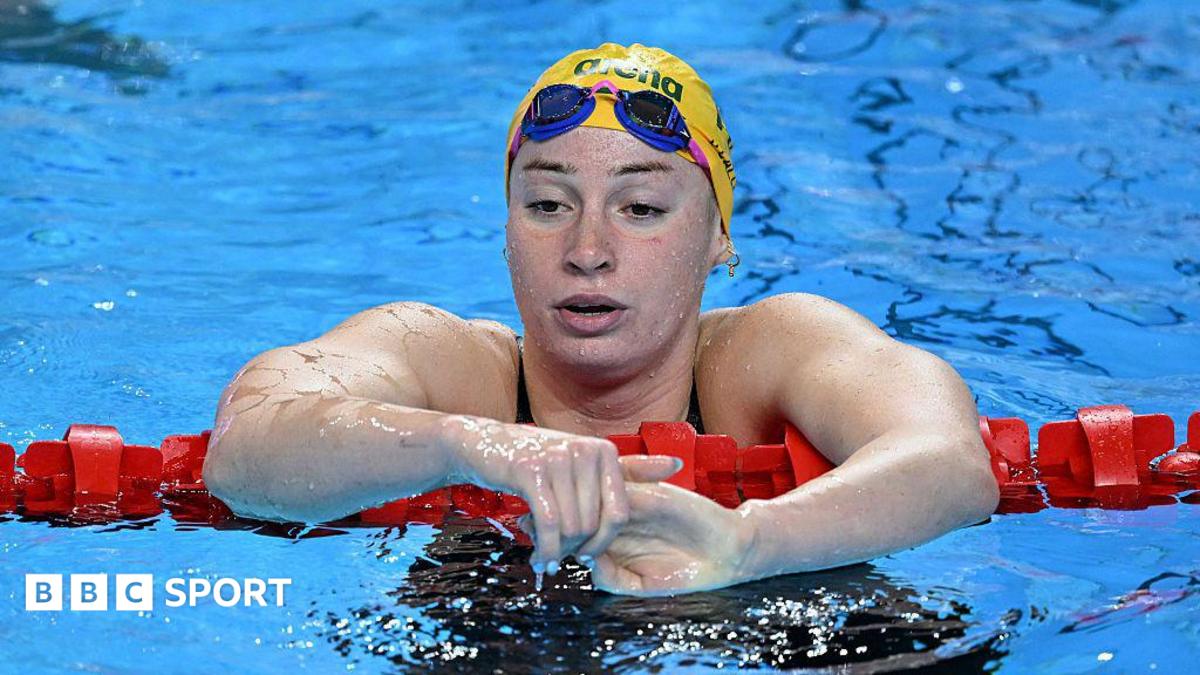
Mollie O’Callaghan says she is fit to compete at the Commonwealth Games in Glasgow despite doctors having reportedly told her to “stop swimming immediately” last month, according to a BBC Sport report. The swimmer’s public assessment of her condition was published ahead of her team’s arrival in Scotland and comes amid close attention from team medical staff and organisers.
The BBC article, published 2026-07-15, carries the reported instruction that doctors advised O’Callaghan to halt swimming straight away. Nonstop News treats that phrase as a reported claim from the BBC piece; there has been no independent medical documentation released alongside the report that Nonstop News can verify.
Mollie O’Callaghan status
Mollie O’Callaghan has told the BBC she is fit to compete, and that statement forms the immediate public record of her readiness. Her reported reassurance is central to how the team is preparing in the days before competition, and it is the swimmer’s own assessment as presented in the BBC coverage.
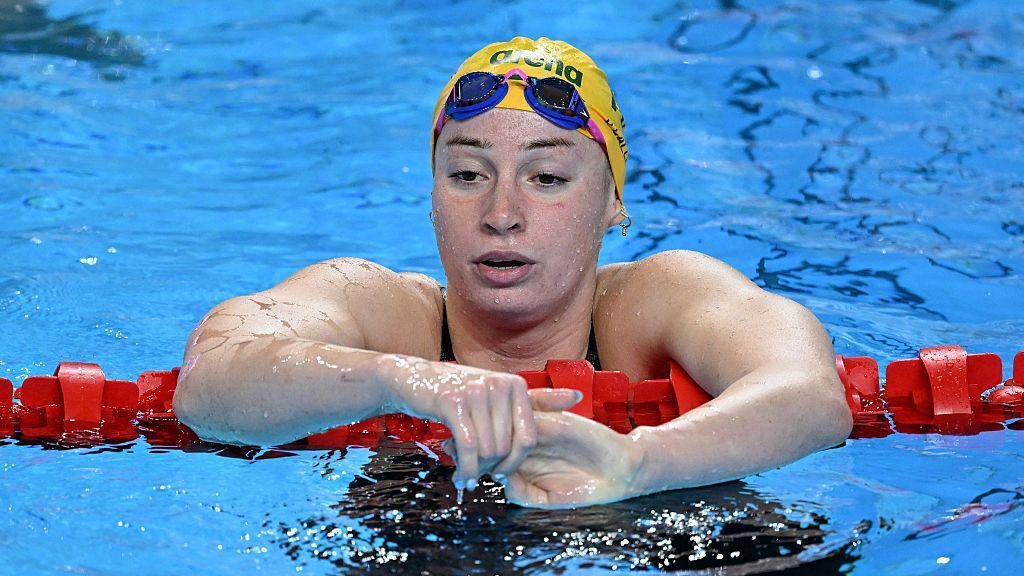
Where athletes face recent medical concerns, teams generally balance optimism from the athlete and coaching staff with formal medical clearance from team physicians. In this case, the BBC report notes O’Callaghan’s confidence; Nonstop News has not seen separate medical confirmation beyond that account.
Doctor warning last month
The BBC Sport article states that doctors told O’Callaghan to “stop swimming immediately” last month. That wording appears as a direct quote in the published report and is the core medical claim referenced in subsequent coverage.
Nonstop News emphasises that the medical instruction is presented in the BBC story as a reported event. The BBC piece does not publish clinical records or a diagnostic summary explaining the precise reason for the instruction, nor does it quote a named clinician explaining the underlying medical cause. Because of that, the instruction should be read as a reported element of the BBC’s coverage rather than independent clinical confirmation of a specific diagnosis.
When media report that a clinician advised an athlete to stop activity immediately, typical subsequent steps for a high-performance team include further specialist assessment, documented clearance from relevant medical professionals, and risk-mitigation measures such as modified training, monitoring, or temporary withdrawal from events if needed. The BBC report does not list whether these steps have occurred, which leaves the timeline between the reported instruction and O’Callaghan’s public statement without independently verifiable detail in the public record.
Implications for the Commonwealth Games in Glasgow
The immediate practical question for selectors, team staff and fans is whether the reported medical warning and O’Callaghan’s current fitness claim will change her entries at the Commonwealth Games. As of the BBC report, O’Callaghan has said she is fit to race, which indicates an intention to compete if cleared by team medical staff.
Authority to confirm or withdraw entries normally rests with national team officials and Games medical officers. If new medical information emerges that affects safety or competitive fairness, those officials can make last-minute changes to start lists. The BBC piece does not indicate any confirmed alterations to O’Callaghan’s programme at the time of publication.
For the athlete herself, competing after a recent medical warning usually involves careful on-site monitoring: pre-race checks by team physicians, modified warm-up protocols, controlled recovery plans and an emphasis on conservative race-day management. Such measures are common practice when there is any recent health uncertainty, although the BBC report does not specify which, if any, of those measures are in place for O’Callaghan.
What comes next
In the short term, expect statements from O’Callaghan’s camp, her national team and Games medical staff if there are any changes to entries or if formal medical clearance documents are released. Team doctors typically provide clearance only when satisfied an athlete can compete safely, and that process may include specialist opinions or diagnostic testing. The BBC report sets out the basic contours of the situation but does not provide a full medical timeline.
Nonstop News will monitor official channels for updates. Until any further confirmation is published by O’Callaghan’s medical team or the national squad, the reported phrase that doctors told her to “stop swimming immediately” remains a claim reported by BBC Sport, and O’Callaghan’s declaration that she is fit to compete remains her public statement.
Frequently asked questions
Is Mollie O’Callaghan fit to compete at the Commonwealth Games?
O’Callaghan has stated to the BBC that she is fit to compete. That is her public position; independent medical confirmation beyond the BBC report has not been released into the public domain.
Why were doctors reported to tell her to stop swimming?
The BBC article reports that doctors advised her to “stop swimming immediately” last month but does not publish a detailed medical diagnosis or explanation. Without further clinical detail from her medical team or the national squad, the reason for that instruction remains unspecified in the public reporting.
Could the warning change her events in Glasgow?
Yes. Team medical staff and selectors can alter entries if new medical information warrants it. Any official changes would be announced by the national team or Games organisers prior to competition.
Source: BBC Sport, article “O’Callaghan fit for Glasgow despite doctor warning”, published 2026-07-15. Full report: https://www.bbc.co.uk/sport/swimming/articles/cx2k2k1dv95o?at_medium=RSS&at_campaign=rss