BBC coverage suggests the reported deaths of two men connected to immigration enforcement may be feeding a wider Trump immigration backlash. In the broadcaster’s segment, correspondent Sarah Smith pieces together footage, witness statements and local reaction to explore whether these incidents are denting the US president’s standing on immigration.
The BBC report raises questions about how incidents tied to enforcement are framed, how the public responds, and what political risks may follow. This analysis summarises the BBC piece, sets out plausible channels that could turn local reports into national political consequences, and notes important caveats about attribution and evidence.
What the BBC reports
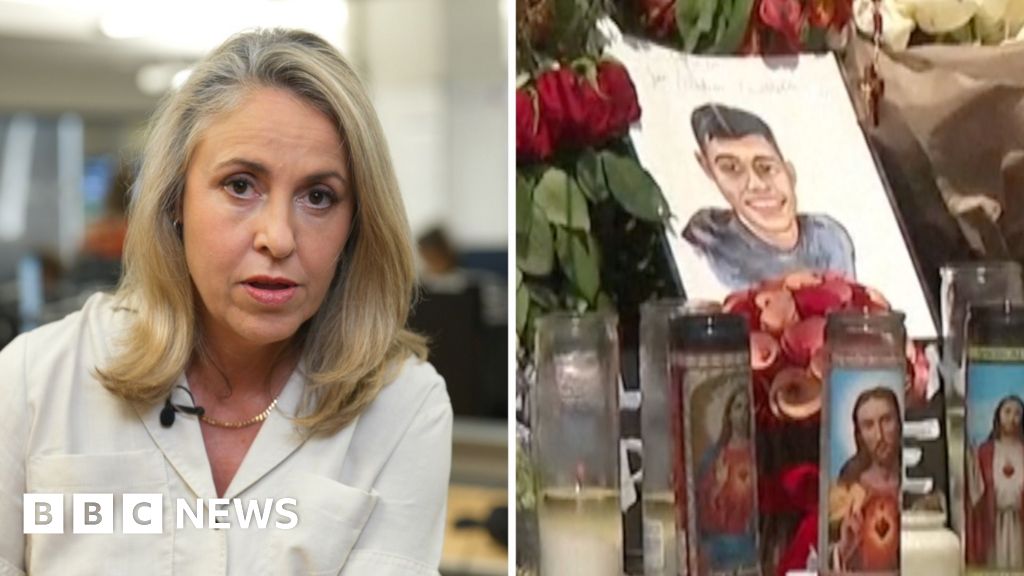
The BBC’s Sarah Smith presents video and reporting that link the deaths of two men to operations involving US Immigration and Customs Enforcement (ICE) agents. The segment combines local footage, statements from family members and community leaders, and commentary from advocates and local officials to show how the incidents have been understood in the communities directly affected.
Smith walks viewers through the sequence of reporting and public responses captured on camera. The piece highlights scenes from neighbourhoods where tensions have risen and shows gatherings and protests that followed. In the BBC coverage, these visuals are used to illustrate how the incidents have been framed by local media and advocacy groups.
For the original BBC segment, see: Watch: Is Trump facing a popular backlash on immigration?. The programme attributes responsibility to ICE agents in its reporting; that attribution is presented as the BBC’s framing and reporting rather than as a final legal finding pending independent investigations and official determinations.
How the deaths are driving a Trump immigration backlash
The way incidents are framed matters for whether a Trump immigration backlash takes hold. The BBC segment connects vivid local scenes and personal testimony to broader debates about enforcement tactics, arguing that human-centred accounts can shift public attention away from abstract policy arguments toward concrete narratives about harm.
When widely reported accounts suggest enforcement-related harm, they can amplify existing concerns about oversight, procedure and human impact. Opponents of current policies and critics in the media often use such moments to crystallise wider narratives about excessive force or lack of accountability, which can feed a backlash if the coverage persists.
That said, the path from local incident to lasting national backlash is not automatic. Multiple factors determine whether a story escalates: the credibility of initial reports, the presence (or absence) of independent verification, how quickly officials respond, and whether the story resonates beyond already engaged audiences.
Public opinion and political risk
The BBC analysis treats any effect on presidential popularity as interpretive rather than conclusive. High-profile incidents can dent popularity when they mobilise emotions, reach swing voters or alter the perceptions of moderates; but such shifts typically follow sustained coverage or a sequence of corroborating events.
Polling movements tied to single incidents are typically modest unless stories remain prominent or tap into broader concerns. Elite cues — comments from party leaders, law enforcement spokespeople, congressional figures or trusted local voices — can accelerate public reaction by signalling how viewers should interpret the events.
For the president, political risk can be twofold: an immediate reputational hit that affects short-term approval ratings, and a longer-term change in the terms of political debate that makes immigration a more salient liability. Whether that risk materialises depends on verification, messaging, competing narratives and the intensity of media coverage.
Why it matters for immigration policy and politics
In the short term, reputational damage to enforcement agencies or the administration can prompt calls for oversight, internal reviews or congressional inquiries. Even without legal findings, public pressure has in past cases led to administrative changes, additional training or revised guidance for field operations.
Politically, human-centred accounts tend to reframe policy debates: discussion can move from technical details about enforcement capacity to questions of accountability, proportionality and the human consequences of policy choices. That reframing can influence legislative priorities and campaign messaging on both sides of the aisle.
Policy responses will depend on how officials handle investigations and how effectively political leaders address public concerns. Clear, timely communication and transparent inquiry processes can blunt political damage; silence or perceived obfuscation can magnify it.
What comes next
Key factors to watch are whether independent investigations or official probes substantiate the accounts presented in the BBC footage, how long the story remains in national coverage, and whether it galvanises organised political pressure or legislative action. Local judicial processes, federal oversight mechanisms and congressional attention could all affect outcomes.
If corroboration emerges and coverage persists, the story could shift from a reputational issue to one with concrete policy consequences — for example, tightened oversight of ICE field operations or new procedural rules. If investigations do not substantiate the initial attributions, the political impact may be short-lived.
Frequently asked questions
Did the BBC confirm ICE responsibility for the deaths?
The BBC’s report presents accounts linking the deaths to ICE agents as part of its analysis. That is the broadcaster’s reporting and framing; it should not be read as a legal determination. Independent investigations and official findings would be required to establish legal responsibility.
Could this story change immigration policy or enforcement?
High-profile incidents can prompt oversight, new guidelines or shifts in enforcement practice when public pressure and political incentives align. Whether this particular story leads to policy change will depend on sustained coverage, corroboration and political responses.
How is public opinion responding to the reports?
The BBC frames the incidents as potentially affecting presidential popularity. Some viewers may be moved by personal testimony and visuals; broader opinion shifts typically require ongoing attention, contextual corroboration and signals from political leaders.
Source attribution
This analysis is grounded in the BBC News segment by Sarah Smith. Watch the full BBC video: Is Trump facing a popular backlash on immigration?.
Important caveat: the attribution of responsibility to ICE agents is presented in the BBC programme as the broadcaster’s reporting and framing. That attribution should be treated as reported rather than as a final legal finding pending independent investigation and official determinations.