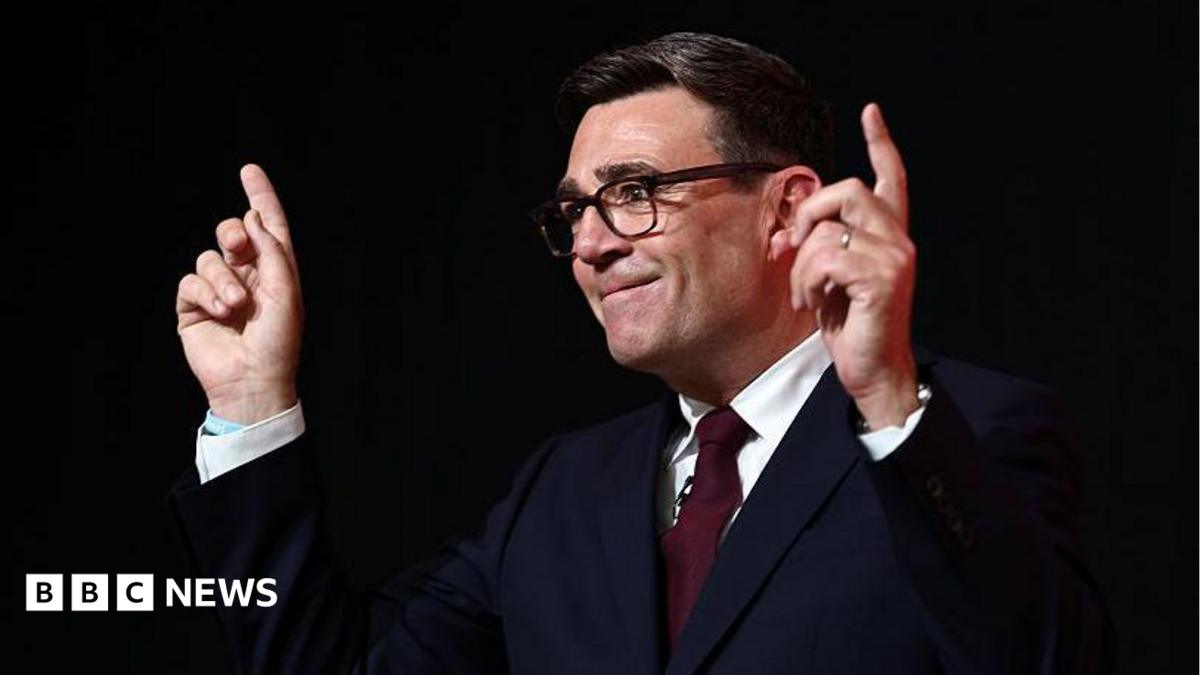
Burnham opened his first speech as Labour leader by promising “nothing less than the biggest change in British politics in 40 years.” The line framed the event as a reset for the party but left immediate and practical questions about delivery.
The address set a broad political tone and aimed to signal ambition to party members and voters. It did not, however, include the sort of technical detail—timelines, legislative steps, costings or departmental responsibilities—that would show how the pledge might be implemented.
Burnham: key points from the speech
Burnham told the audience the party would pursue a large-scale shift in direction. He used emphatic language to underline the scale of the ambition and repeated the claim that this would be the “biggest change in British politics in 40 years.”
The speech foregrounded values and a new political direction rather than enumerating policy measures. It was presented as the opening of a leadership phase, with the promise intended to shape expectations about what Labour would prioritise.
Reporting indicates the speech took place on 2026-07-17 and was covered by BBC News.
What Burnham promised
Burnham framed his pledge as transformational and positioned it at the centre of his leadership mandate. He described an intent to offer a clear alternative to the current political settlement and to pursue wide-ranging reform across government.
The commitment was presented in rhetorical terms. Rather than listing immediate policies, the speech sought to define a political purpose and a long-term objective for the party.
What he did not say: delivery and detail
Despite the sweeping language, Burnham gave few clues about how the promised change would be delivered. Key elements missing from the speech included:
– Timelines: no specific dates or phased plans were set out for when changes would start or be completed.
– Implementation mechanisms: the speech did not identify which parts of government or which departments would lead reforms.
– Costing and funding: there were no public financial assessments or explanations of how major changes would be paid for.
– Legislation and transition: the address lacked references to immediate primary or secondary legislation, and did not outline transitional arrangements for affected sectors.
Those omissions matter because large pledges require feasible plans. Without details on funding, legal steps and administrative roles, voters and stakeholders cannot readily assess the credibility or likely impact of the promise.
Analysts and policy teams will be looking for follow-up documents—policy briefs, white papers and costings—that translate the rhetoric into implementable steps.
Why it matters for British politics
A leader setting out to reshape the political settlement changes strategic calculations across parties, Whitehall and the markets. If pursued, large-scale reform could reframe debates on public services, taxation, regulation and how government operates.
For voters, the practical effects depend on what is proposed and how it is executed. Implementation choices determine who benefits, who bears transitional costs and how quickly change is felt.
For opposition parties and the media, the speech sets a narrative baseline. Competitors will press for detail and for scrutiny of feasibility, while civil servants would need credible plans before preparing for potential policy shifts.
What comes next and what to watch
Expect immediate follow-up from the party in the form of briefings and further documents. Officials and spokespeople will likely produce explanatory notes, sector-by-sector proposals and financial assessments in the days and weeks after 2026-07-17.
Watch for: the publication of policy papers or manifestos; official costings from the party or independent fiscal bodies; and clarifying statements about which parts of government would lead delivery.
Other signals to monitor include responses from rival party leaders, reactions from market commentators and any operational planning inside government departments that becomes visible through briefings or parliamentary questions.
Background and context
Leadership speeches often aim to reframe a party’s identity at the start of a new tenure. Burnham’s address follows that script, prioritising a clear political message over technical exposition in the first instance.
The test for voters and stakeholders will be whether the leadership can produce credible, detailed plans that match the scale of the rhetoric and demonstrate how reforms will be implemented in practice.
Risk note: The claim that this will be the “biggest change in British politics in 40 years” is a pledge by Burnham and is not independently verified in the reporting cited. Evidence that would substantiate such a claim includes publicly released policy papers with detailed implementation timelines, independent costings showing major systemic change, and a clear legislative programme demonstrating how reforms would be enacted and enforced.
FAQs
What did Burnham promise in his first speech?
He pledged what he described as the “biggest change in British politics in 40 years,” signalling a broad shift in direction for Labour while not providing detailed policy specifics in the speech itself.
How did Burnham describe the scale of change he wants?
He used emphatic, historic language to stress scale and ambition. That characterisation is a leadership claim and remains unverified until concrete plans and outcomes are published and assessed.
When can the public expect more detail on delivery?
Immediate follow-up is likely through party briefings and policy documents in the days and weeks after the speech. Look for official papers and independent costings that set out timelines and implementation steps.
Published: 2026-07-17 | Category: Latest News
Source attribution: BBC News — Top Stories, 2026-07-17