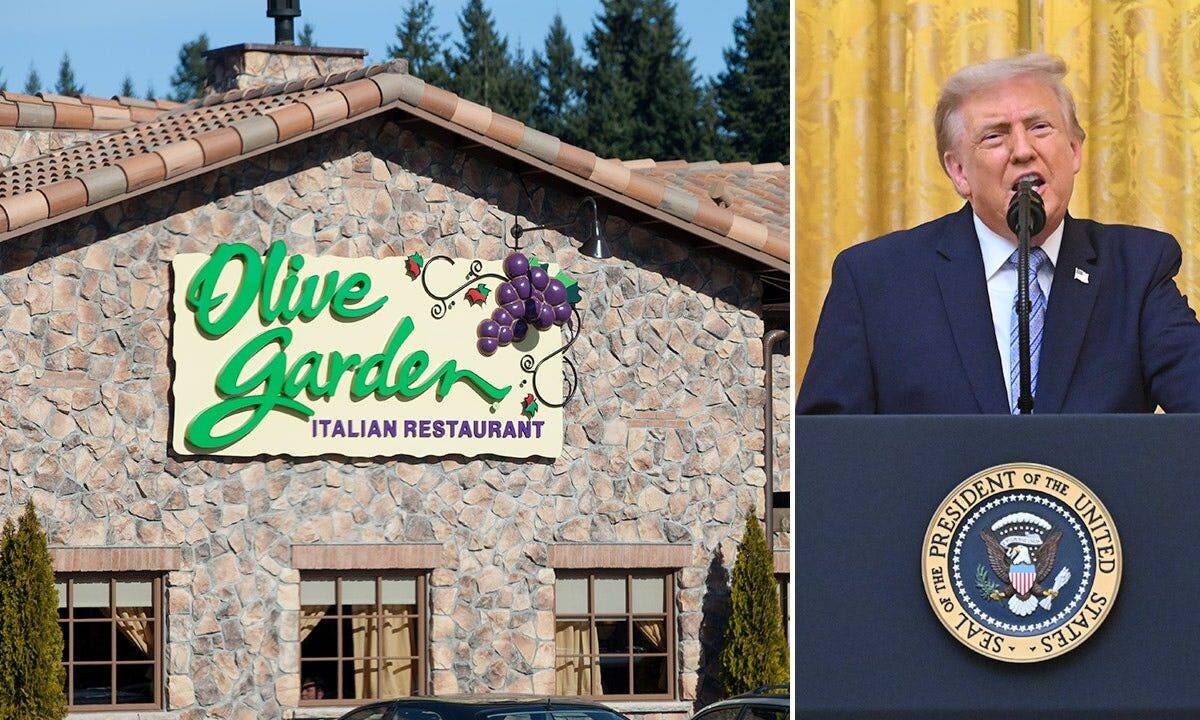
Olive Garden Never-Ending Pasta Pass photo ID rules became a flashpoint for a larger debate about voter identification and federal legislation after the restaurant chain clarified that its passes are personalized and require a matching photo ID to be used. The post was brief but the reaction was swift: conservative commentators and elected officials amplified the message and tied the company policy to broader calls for federal voter ID and citizenship verification measures.
In two to three sentences: the chain described the pass as non-transferable and said passholders must show a valid photo ID matching the printed name; conservative voices compared that business rule to state voter ID laws; and Republican leaders pointed to the SAVE/Save America Act as a legislative vehicle to impose nationwide ID and verification standards. Reporting on the episode and the subsequent political response appeared in national outlets (see Source attribution).
Olive Garden Never-Ending Pasta Pass photo ID: What Olive Garden announced
Olive Garden posted that its Never-Ending Pasta Pass is personalized and non-transferable and that passholders must present a valid photo ID that matches the name printed on the pass when ordering, according to news reporting summarizing the chain’s message. The chain framed the policy as a routine protection against misuse of a branded promotion rather than a commentary on public voting rules (source: Fox News).
The pass program is a limited-time promotional product tied to an individual purchaser. Olive Garden’s stated goal, based on the company messaging reported by national outlets, was to ensure the pass is used by the intended consumer and to prevent transfer or resale.
Conservative reaction and viral posts
Within hours, conservative commentators and GOP officials shared Olive Garden’s post on X, framing the requirement as evidence that private-sector ID checks are stricter than voting rules in some states. Posts came from a mix of influencers, campaign accounts and officeholders who used the episode to call for federal reforms.
“Olive Garden requires ID to use their never ending pasta pass but most Democrat run states don’t require your ID to vote. So in America, our pasta deals are literally more secure than our elections,” wrote commentator Robby Starbuck on X (as reported by Fox News).
Indiana Attorney General Todd Rokita, Sen. Mike Lee and other Republican figures echoed the comparison and urged passage of the SAVE/Save America Act, while party messaging accounts amplified the contrast to make a simple talking point about verification standards (source: Fox News reporting on social amplification).
State rules and election ID context
The viral comparison resonated because voter ID requirements vary significantly across states. News reporting on the debate cited that 14 states plus Washington, D.C., do not require most voters to present identification when voting in person — a point used by commentators to highlight the patchwork of rules that govern state elections (source: Fox News coverage cited below).
Where states do require ID, rules differ on what documents qualify, how exceptions are handled and whether voters cast provisional ballots pending verification. Supporters of stricter ID laws argue uniform federal standards would reduce confusion and potential fraud; opponents counter that stricter rules can disenfranchise eligible voters and that in-person voter fraud remains rare, according to election-policy experts cited in general coverage of the debate.
What the SAVE / Save America Act would change
Conservative commentators and some GOP lawmakers pointed to the SAVE Act (also referenced in political messaging as the Save America Act) as a legislative solution that would impose federal voter ID and citizenship verification provisions. Reporting indicates supporters describe the bill as a way to standardize ID requirements and add citizenship checks; critics warn such measures could federalize election rules and create barriers for some voters (source: Fox News reporting summarizing the bill and reactions).
For readers who want to review the bill text and official legislative materials, see a searchable listing of congressional measures at Congress.gov (search: “SAVE Act”). That site provides sponsors, text and status for bills introduced in Congress.
Why the Olive Garden post matters politically
The episode matters because it provides an easily shareable symbol for a complex policy fight. A personalized restaurant pass with an ID requirement is a simple, tangible example that political communicators used to frame arguments about election integrity and federal action.
Republican lawmakers pressing for the SAVE Act can use the story to translate legislative language into a concrete comparison — personalized pass versus voting access — that plays well on social media and in campaign messaging. Conversely, Democrats and voting-rights advocates can use the moment to emphasize the varying forms of acceptable ID across states, the administrative differences in election systems, and research findings about the rarity of in-person voter fraud (as cited in coverage of the debate).
What comes next
Expect the Olive Garden comparison to appear in campaign ads, social posts, and hearings or floor speeches as GOP leaders seek to galvanize support for the SAVE Act or related measures. Lawmakers may introduce or reintroduce bills, attach ID provisions to must-pass legislation, or hold hearings where the contrast between private-sector ID checks and public voting rules is highlighted.
Voting-rights organizations and some state election officials are likely to respond by explaining state rules, detailing what counts as acceptable ID in jurisdictions that require it, and highlighting steps that reduce barriers to voting such as free state IDs, ballot assistance and expanded voter education (reporting and statements from advocacy groups and state officials are being tracked in national coverage).
FAQ
Do you need a photo ID to use the Olive Garden Never-Ending Pasta Pass?
Yes. Olive Garden’s announcement, as reported by national outlets, states the Never-Ending Pasta Pass is personalized and that passholders must present a valid photo ID matching the name on the pass to use it (source: Fox News).
Does the SAVE Act require voter ID and citizenship checks?
Supporters describe the SAVE/Save America Act as including federal voter ID and citizenship verification provisions. Opponents argue those provisions could restrict access. For the bill text and status, consult Congress.gov (search: “SAVE Act”).
Which states do not require ID to vote in person?
Reporting cited that 14 states and Washington, D.C., do not require most voters to present identification when voting in person; specific rules vary and are summarized in national reporting and state election-office resources (source: Fox News reporting cited below).
Source attribution
This article relies on reporting from Fox News for the original account of Olive Garden’s announcement and the subsequent political reaction: Fox News — Olive Garden becomes unlikely face of voter ID fight after restaurant’s policy goes viral. For legislative text and official bill status, see Congress.gov search for “SAVE Act”: Congress.gov search — SAVE Act. Additional claims about state voter ID rules draw on national reporting summarized in the cited Fox News piece.
Reporting next steps: track any updates from Olive Garden about its pass policy, monitor congressional filings for renewed SAVE Act language, and watch statements from state election offices that clarify local ID rules and acceptable forms of identification.