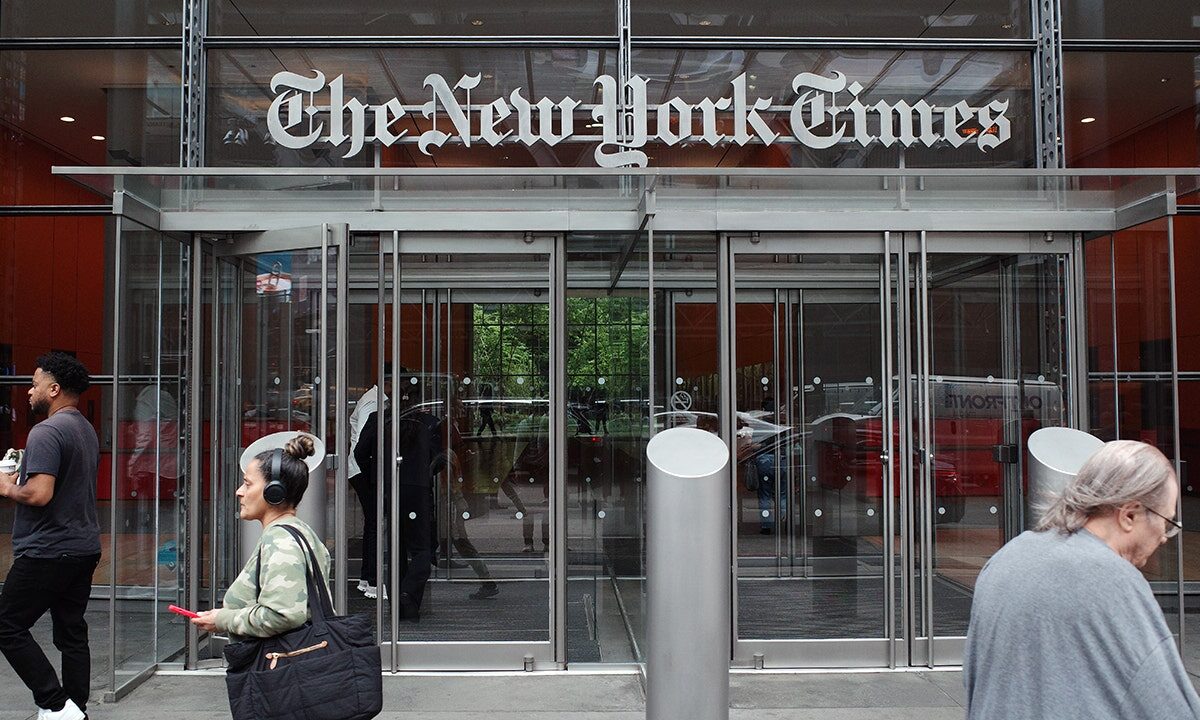
The New York Times’ characterization of AIPAC as a “hard-right” pro-Israel lobbying group touched off immediate debate among lawmakers, pundits and donors after a closely watched House vote. AIPAC appears at the center of the conversation following Rep. Thomas Massie’s amendment to cut military and humanitarian aid to Israel, a move that registered a 103-98 tally among House Democrats and prompted sharper scrutiny of the group’s role in U.S. politics.
AIPAC and the NYT label: what it means
In a July 15, 2026 story, The New York Times — reporting by Annie Karni — referred to the American Israel Public Affairs Committee as “the hard-right pro-Israel lobbying group,” a phrase that shifted attention from the group’s activities to its perceived political posture. The Times’ wording, as reported and critiqued by other outlets, became a focal point for debate about media framing and the evolving Democratic coalition after Oct. 7.
What The New York Times wrote
The Times’ article examined fractures within the House Democratic Conference over aid to Israel and used the “hard-right” descriptor for AIPAC, a choice that prompted pushback from commentators and some lawmakers. The paper tied that characterization to longer-term changes in Democratic politics, noting pressure from progressive activists and a segment of Democratic voters who have grown more skeptical of unqualified support for the Israeli government.
That framing prompted critics to argue the label oversimplified AIPAC’s history of bipartisan engagement, while supporters of the wording said it reflected how the group has positioned itself on certain recent policy fights. The New York Times coverage is a central source for the characterization; subsequent reaction and criticism were reported by Fox News Digital, which flagged the phrasing and cataloged responses from named commentators.
The House vote and the numbers
Rep. Thomas Massie offered an amendment to cut roughly $3.3 billion in military and humanitarian aid to Israel, according to reporting tied to this controversy. The amendment did not become law but drew an atypical cross-party configuration: 103 House Democrats voted in favor of the Massie amendment while 98 opposed it, and Massie was the lone Republican to support the measure. That 103-98 figure among Democrats was widely cited in coverage as evidence of intra-party divisions.
News accounts framed the vote in several ways: as a protest against the pace or terms of aid; as a reflection of constituency pressure and activist campaigns; and as a signal of how donor relationships and public perception may be changing in the Democratic electorate.
Democratic responses and donor changes
Coverage that followed the vote, including by The New York Times and Fox News Digital, documented concrete responses from some Democrats who said they would stop accepting AIPAC donations. Rep. Seth Moulton publicly announced he would no longer accept contributions from AIPAC as he pursues a Senate campaign, a decision reported as part of a broader pattern of lawmakers distancing themselves from traditional pro-Israel donors.
Reporters noted that while some Democrats announced refusals of AIPAC money, other members defended existing ties to pro-Israel groups or opposed the Massie amendment on policy grounds. Fox News Digital’s reporting named several commentators and conservative critics who disputed The New York Times’ phrasing and emphasized AIPAC’s longstanding bipartisan fundraising and lobbying efforts.
Media and public reaction
The NYT description sparked immediate commentary on social media and in opinion pages. Fox News Digital quoted critics who called the “hard-right” label a mischaracterization and listed commentators including John Podhoretz, Karol Markowicz, Joel Pollak and Josh Kraushaar among those who pushed back. The debate mixed questions about editorial judgment with partisan critiques, and both news organizations covered the ensuing exchanges.
Observers said the intensity of the reaction reflected broader anxieties about how media framing can alter perceptions of powerful interest groups. Some commentators argued the label risked conflating the views of a changing donor base with the institutional history of AIPAC; others said the Times was reporting on a genuine shift in how some Democrats and progressive activists view the organization.
Political implications for AIPAC
The debate has immediate and longer-term implications. In the short term, the label and the House vote put pressure on Democratic candidates to articulate where they stand on AIPAC-linked donations and Israel policy. Fundraising calculations for vulnerable incumbents and would-be challengers may change as constituencies react.
Longer term, analysts say, the controversy feeds into an existing conversation about AIPAC’s influence in Washington and whether the group’s relationships inside the Democratic Party have fundamentally shifted since Oct. 7. While AIPAC remains a well-established lobbying organization with deep ties across both parties, the recent developments suggest its brand is contested in Democratic primaries and among progressive activists.
By the numbers
- House Democrats voting for the Massie amendment to cut aid: 103-98, as reported in coverage of the vote.
- Rep. Thomas Massie: sole Republican to back the amendment.
- AIPAC founding year (for context): 1954.
Sources and attribution
This article synthesizes reporting from The New York Times and Fox News Digital and attributes key claims to those outlets. The NYT’s July 15, 2026 article by Annie Karni supplied the language describing AIPAC as “the hard-right pro-Israel lobbying group.” Fox News Digital reported on the reaction to that phrasing, listed named critics and noted that neither The New York Times nor AIPAC responded to Fox News Digital’s requests for comment.
Primary reporting referenced in this analysis: The New York Times coverage of the House vote and Democrats’ responses (July 15, 2026) and Fox News – New York Times raises eyebrows by referring to AIPAC as ‘hard-right’. Fox News Digital’s package included named critics and noted the nonresponses mentioned above.
This analysis aims to explain how wording and a high-profile House vote intersected to create a political moment for AIPAC and for Democrats navigating donor and voter pressures. It does not draw new factual conclusions beyond the sourced reporting cited here.