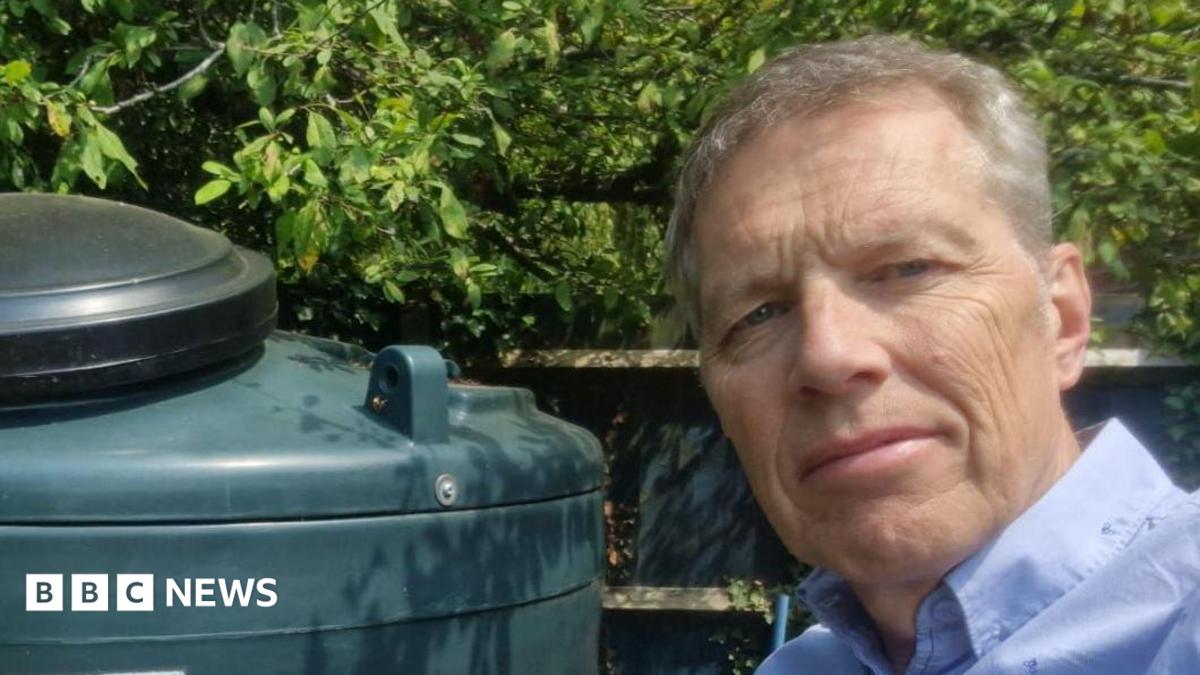
Rural households reliant on delivered fuel are calling for a heating oil protection plan, saying current pricing practices and the way oil is sold leave some communities exposed. Residents and local representatives told reporters that new safeguards are needed to make pricing more transparent, limit sudden price hikes and protect smaller buyers who cannot easily switch to alternative fuels.
What rural residents are asking for
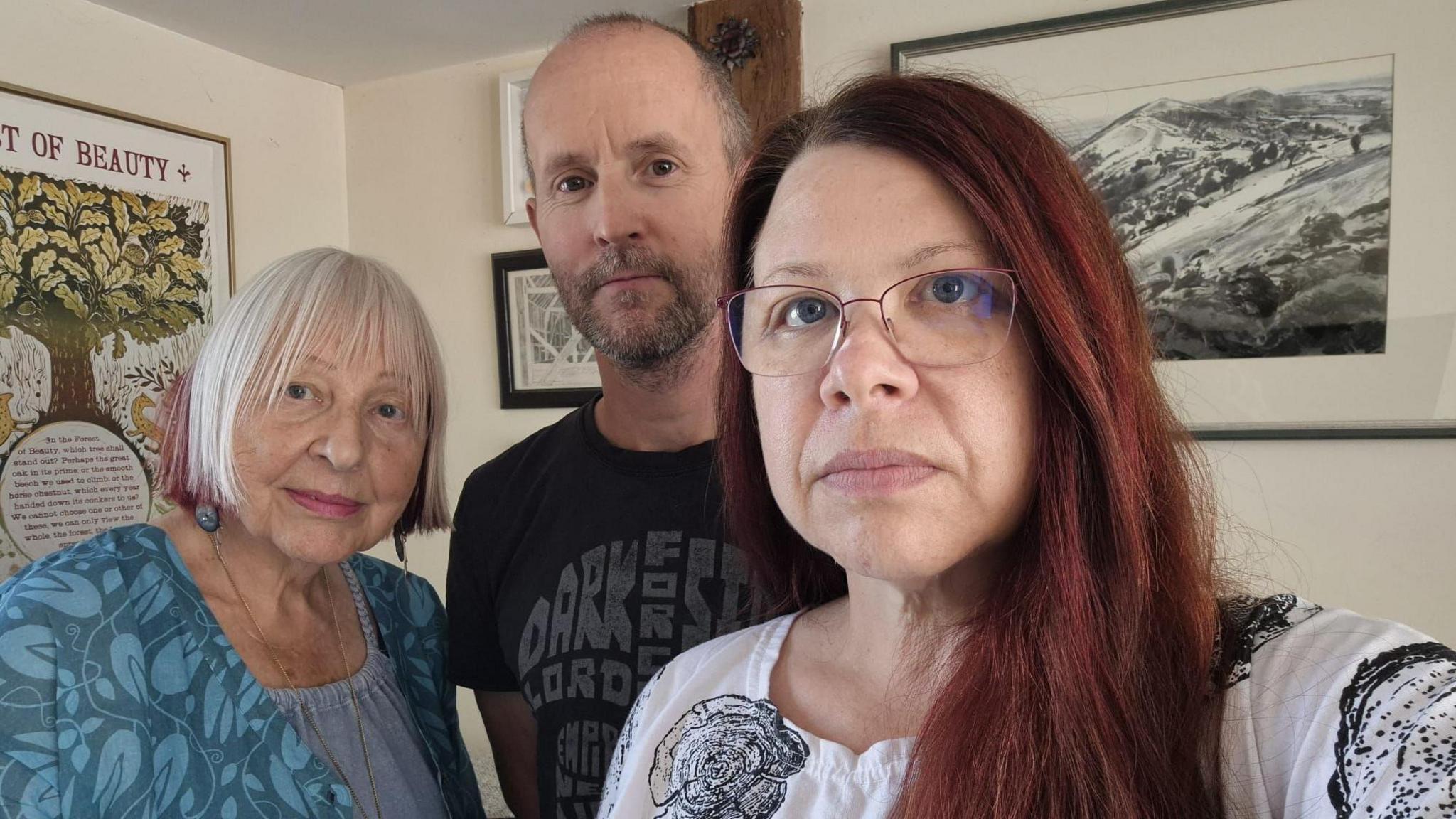
People in remote and off-grid areas describe a market where options are limited and it can be hard to compare offers. Those speaking to reporters said they often make large, infrequent purchases of heating oil and feel vulnerable to seasonal price rises and opaque charges. Local councillors and community groups have reported receiving complaints from households unable to budget confidently for winter heating costs.
Supporters have framed calls for a heating oil protection plan as a consumer-protection measure for communities with fewer fuel choices. They say the aim would be to reduce the risk that households — including older residents and low-income families in isolated properties — face unpredictable bills or feel forced into short-term decisions at higher prices.
Background
In many rural areas, mains gas is not available and delivered fuels such as heating oil remain a common way to heat homes and water. That dependence means market arrangements for delivery, minimum order sizes and payment terms can have an outsized effect on household budgets in areas where alternatives are costly or technically difficult to install.
Heating oil protection plan: how it would work
Advocates say a heating oil protection plan could cover a range of measures focused on improving pricing regulation and market fairness. At its simplest, a plan could require clearer price display and billing so consumers can see the unit price and any delivery or service fees. More robust options could include standardised contract terms, limits on short-notice price changes for prebooked deliveries, or mandatory advance notice of price alterations.
Concrete designs might mix voluntary and mandatory elements. For example:
- Price transparency measures — suppliers publish a standard breakdown showing oil price, delivery fee and any surcharges so households can compare offers.
- Standardised contracts — a short consumer-facing contract template covering cancellation, refund and complaint procedures for household deliveries.
- Collective purchasing support — councils or community groups help small consumers band together to achieve lower unit prices through bulk buying.
Each option has limits: transparency helps comparison but does not cap prices; standard contracts protect rights but do not directly reduce costs; collective buying can lower unit prices but requires coordination and start-up resources.
Who would be affected in rural areas
Primary beneficiaries would be households without access to mains gas that depend on delivered oil for heating and hot water. That includes isolated properties, some farms, and older housing stock where switching fuels or installing new heating systems is expensive or impractical. Community leaders say impacts are also likely to be uneven — some households already get competitive deals, while others pay more because of delivery logistics or small order sizes.
Supporters argue a protection plan could level the playing field for small buyers; critics and some suppliers might warn it risks unintended consequences unless carefully targeted and backed by solid evidence about where problems are worst.
Regulatory options and political hurdles
Implementing effective pricing regulation requires legal authority, monitoring capacity and an enforcement mechanism. Possible routes include consumer-rights interventions by trading standards teams, new disclosure rules introduced by regulators, or targeted subsidy and support schemes to help communities pool demand.
Political hurdles include balancing the interests of independent suppliers, who argue against heavy-handed controls, with the need to protect vulnerable consumers. A key practical constraint is data: observers note that the current reporting does not include comprehensive, independently verified pricing data or a clear count of how many households would be affected. That evidence gap makes it harder to design proportionate rules and to estimate likely savings or costs.
Because of those gaps, policymakers would typically seek formal responses via consultations, pilot programmes or requests for data from industry bodies before proposing major regulatory changes.
What comes next and source note
Further local reporting, formal complaints to consumer bodies and inquiries by elected representatives are likely next steps. Any substantive regulatory move would normally involve data gathering, public consultation and time to design enforcement mechanisms. Community groups and local officials who want change have options such as asking their MP to raise the issue, requesting a local trading standards review, or forming a purchasing co-op to test the benefits of collective buying.
Readers who want to engage can contact their local councillor or consumer protection body to register concerns or ask that evidence be collected. Public consultations are a common route to shape policy proposals once regulators propose changes.
Source: BBC News – Business. The piece attributes the case for a heating oil protection plan to households and local advocates; it does not provide independent pricing analysis or comprehensive data on how many households would be affected. Treat the call for better regulation as a reported claim pending further evidence.