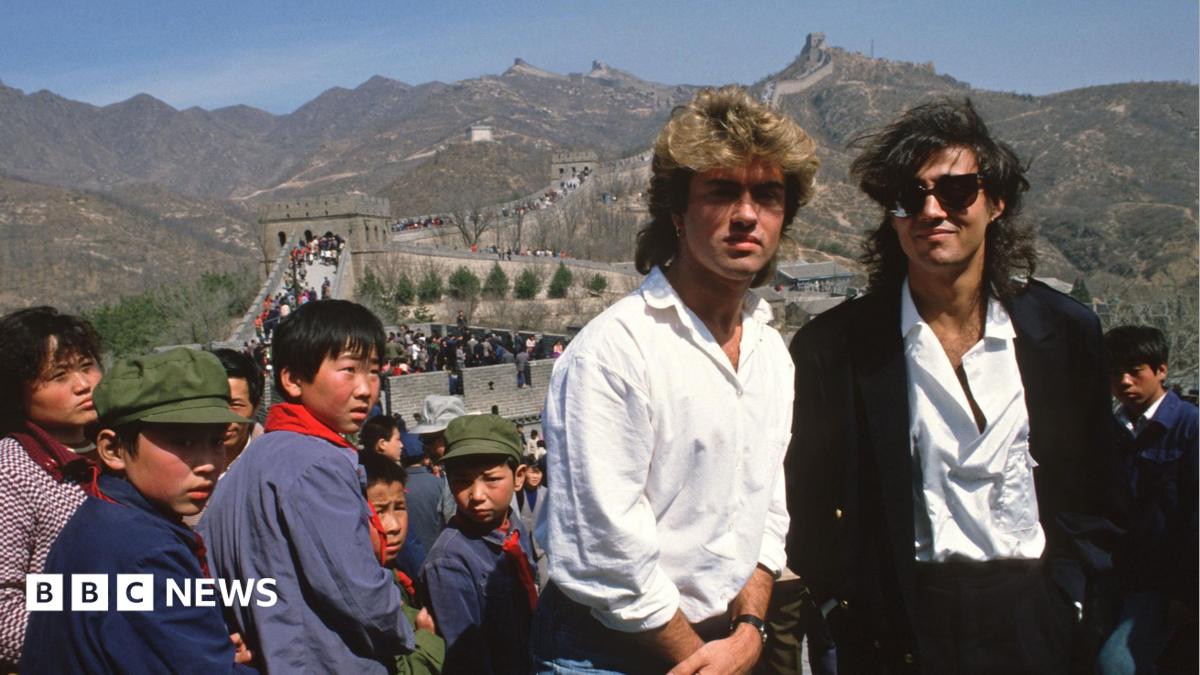
A new Wham! China documentary, discussed in a recent BBC report, opens with the claim that the duo’s 1985 concerts “changed lives” for some people in China. The film places that assertion at its centre and builds it from interviews, archival footage and first-hand recollections gathered by the filmmakers.
The documentary frames the visit as a moment when western pop entered a public stage in China in a way that many attendees found unexpected. The claim that the concerts “changed lives” comes from those personal accounts and from comments referenced in the BBC piece; it should be read as the film’s interpretation rather than as an independently proven historical verdict.
Wham! China documentary: what it claims
The Wham! China documentary argues that the 1985 shows held emotional weight for people who were there. The film foregrounds memories from audience members, musicians and organisers to suggest the concerts had a lasting personal effect for some.
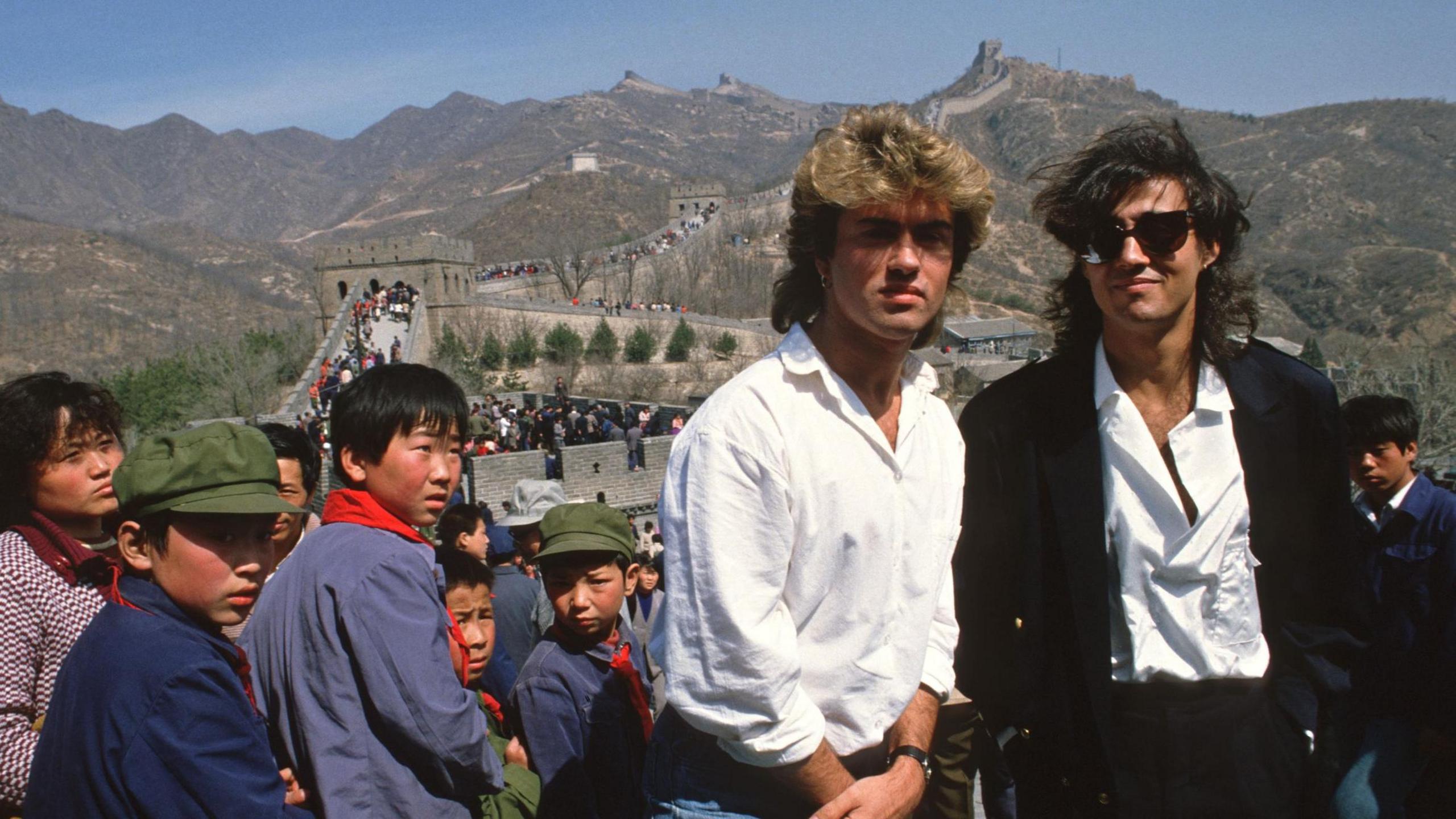
Andrew Ridgeley, the other half of Wham!, is named in BBC reporting about the film. The BBC quote used in coverage — that the concerts “changed lives” — is presented in the documentary through interview excerpts and retrospective narration. That phrasing is prominent in both the film and the coverage, and it is used here with the same caution: it reflects testimonial evidence collected by the filmmakers.
What the film shows
The documentary combines archival footage from the 1985 concerts with new interviews filmed for the project. Concert scenes, broadcast clips and behind-the-scenes glimpses are intercut with people speaking about their memories of the events.
Those archival clips are used to establish atmosphere and scale: the crowds, the staging and the official presence at the shows. The film also includes interviews with local musicians, organisers and audience members who describe immediate reactions — surprise, excitement, curiosity — and how those moments stayed with them afterwards.
Voices from China: attendee memories
People featured in the documentary give varying accounts. Some describe a clear personal shift after seeing the concerts, saying the experience broadened their view of music or culture. Others place the shows in a longer sequence of changes already under way in China at the time, arguing the concerts were one visible symptom of a wider opening.
These differences matter: the documentary assembles testimony that sometimes points to dramatic personal impact and sometimes to incremental cultural shifts. The film’s editors decide which memories to emphasise, and that editorial shaping contributes to the overall claim the concerts “changed lives” for some viewers.
Historical context: why the visit was seen as ground-breaking
In 1985, China was in a period of limited but growing cultural exchange with the west. A high-profile western pop act performing in public was unusual and carried symbolic weight, which the documentary highlights. Placing the shows against the backdrop of 1980s reforms helps explain why they have been remembered as significant by some participants.
The film argues that, beyond the music itself, the visit signalled a rare, visible moment of contact between British pop culture and Chinese audiences. That framing helps viewers understand why attendees and organisers treated the concerts as newsworthy and why memories of the events linger.
Why it matters
The documentary matters because it collects first-hand memories and brings archival material back into public view. For contemporary audiences, it offers a way to reassess how a short tour intersected with social and cultural change in a specific historical moment.
At the same time, the conclusion that the concerts “changed lives” should be understood as a claim built from personal testimony and cinematic choices. Documentary evidence can be powerful in illustrating lived experience, but it does not on its own establish a broad, causal historical claim without additional corroboration.
Key takeaways
- The Wham! China documentary uses interviews and archival footage to present the view that the 1985 concerts had lasting effects for some attendees.
- Accounts in the film vary: some people describe profound personal impact, while others set the visit within wider cultural changes already under way.
- The film situates the shows within China’s 1980s opening, which helps explain why the visit has been remembered as ground-breaking by some.
BBC report and source notes
The documentary and its central phrase — that the Wham! concerts “changed lives” — are discussed in a BBC News article that cites comments from Andrew Ridgeley and other contributors. Readers should note the distinction between the film’s interpretive claims and independently verified historical findings. The BBC article summarises the documentary’s framing and includes interviews used to support that framing.
Source: BBC News — ‘Wham! concerts changed lives in China’ — Ridgeley
Where can I watch the Wham! China documentary?
The BBC article reports on the documentary but does not list full distribution details. Check official release notices or the BBC report for viewing information.
When did Wham! perform in China?
The concerts took place in 1985; the film revisits that moment and its aftermath.
Who is Ridgeley and what does he say in the report?
Andrew Ridgeley is the other half of Wham!. The BBC article references Ridgeley in relation to the documentary and its headline claim that the concerts “changed lives” for some people in China.