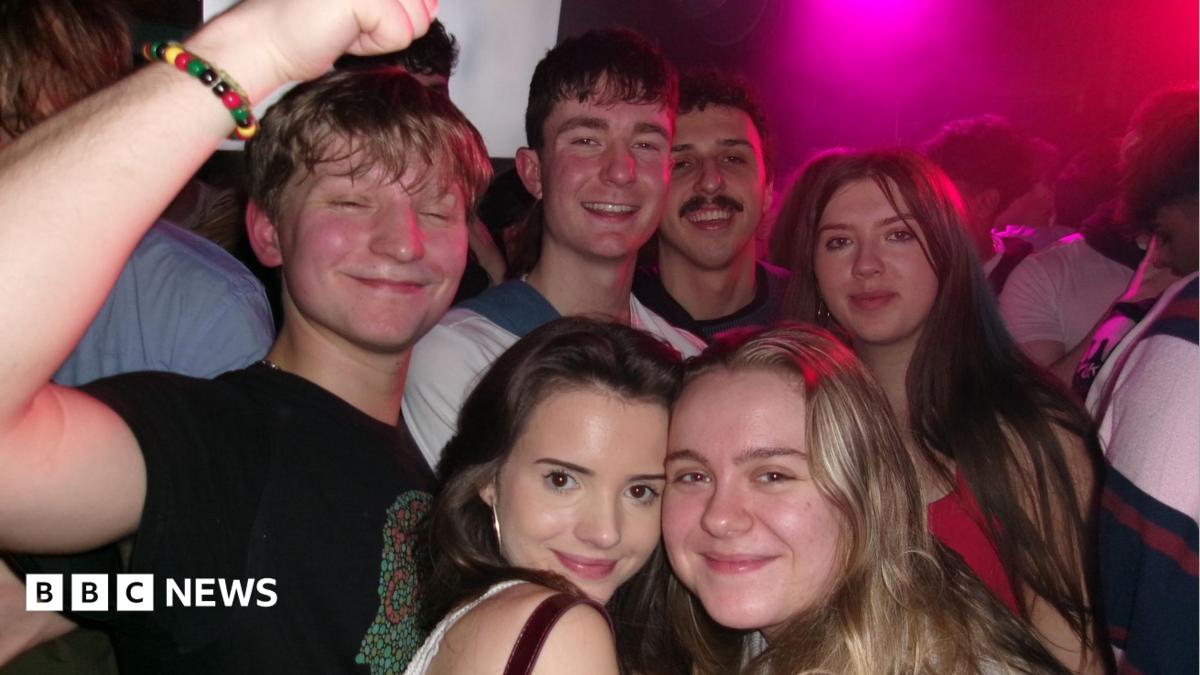
The BBC reported on 2026-07-18 that “For some young clubbers, the fear is not dancing badly, it is becoming content.” That line anchors reporting on how the risk of unintended social-media exposure is reshaping nights out for some younger people. The accounts collected by the BBC are anecdotal rather than a statistical survey, but they point to changing choices about behaviour, spaces and consent in nightlife.
What the BBC reported
The BBC News – Entertainment & Arts piece published on 2026-07-18 foregrounds the observation that “For some young clubbers, the fear is not dancing badly, it is becoming content.” Reporters spoke with clubbers, promoters and venue staff to gather first-hand accounts of how filming and rapid content sharing are influencing behaviour.
The BBC framing makes the evidence clear: these are interviews and scenes rather than comprehensive polling. The article repeatedly presents these findings as anecdotal, and the reporting cautions against treating them as universal claims about all young people or every nightlife scene.
How social media changes Gen Z clubbing
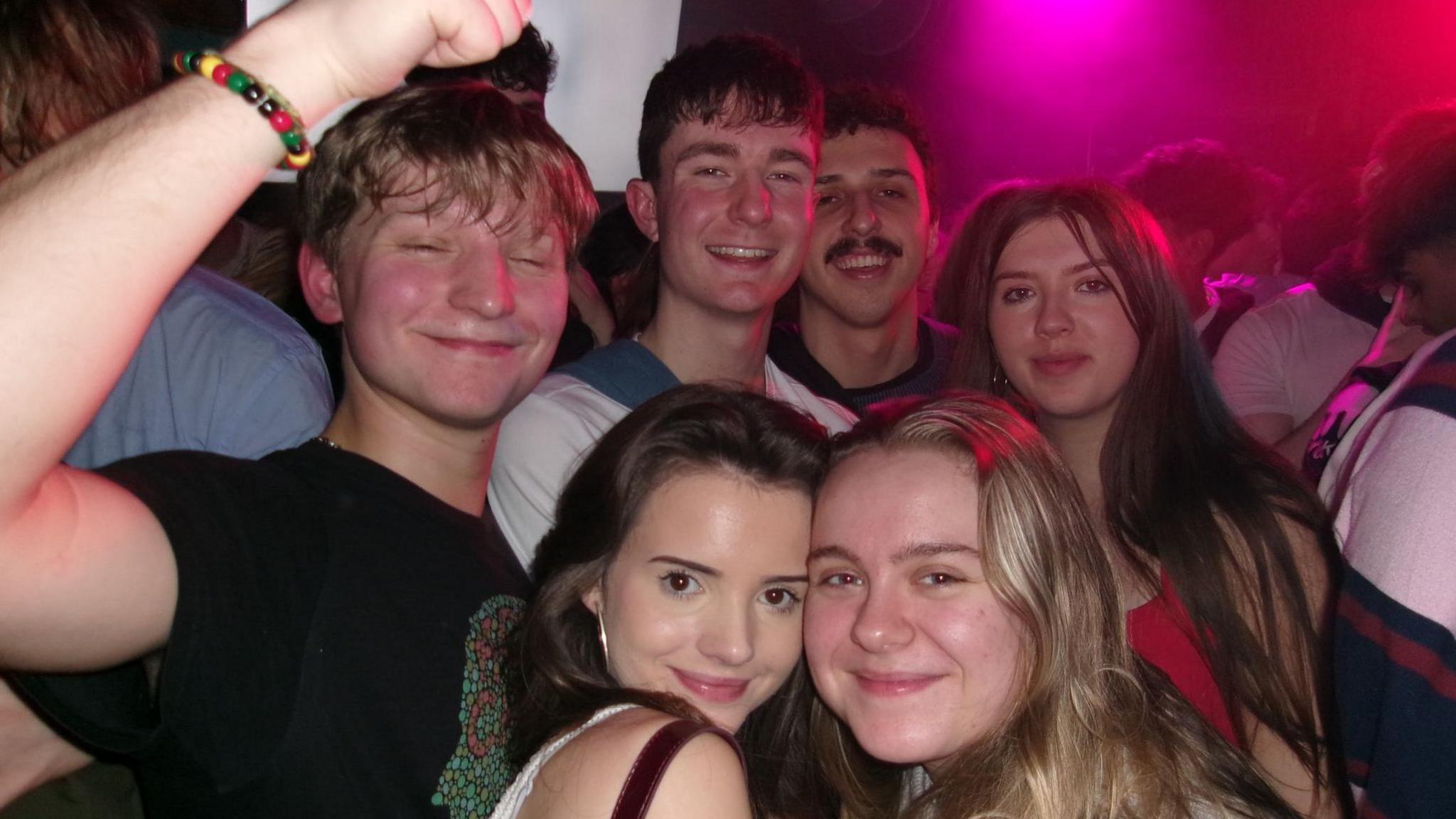
Short-form platforms and easy content creation mean a single clip can reach thousands within hours. The mechanics of going viral reward striking, surprising or awkward moments; that creates an incentive structure that reshapes what people do on a dancefloor. As the BBC noted, some people worry less about how they dance and more about whether they might be turned into content.
That changes behaviour in two ways. Some clubbers consciously curb boisterous group antics, avoid conspicuous poses or step to the side when cameras are raised. Others try to control their own narratives by creating content intentionally — choosing who films, when and how — rather than risking being filmed by strangers.
These shifts are easier to spot among younger attendees who grew up with platforms that amplify private moments. Still, the BBC coverage stresses these are observed patterns drawn from interviews and venue anecdotes, not definitive measures of change across all cities or demographics.
Privacy, filming and club culture
Ubiquitous phones mean privacy in public spaces looks different than it did a decade ago. The fear of being filmed — and of footage spreading without consent — affects how people use space and how venues think about their atmosphere. The BBC’s interviews describe patrons stepping away from group selfies, asking friends not to post, or leaving early after being filmed without permission.
Venues are responding in varied ways. Some have introduced clearer phone policies, designated phone-free areas or specific nights that discourage filming to preserve a particular vibe. Staff told BBC reporters they sometimes manage people taking videos or intervene when groups make other patrons uncomfortable. The approaches are local and patchwork: what works in one club may be counterproductive in another.
Scene-setting anecdotes and venue perspective
The BBC article includes short scenes — a dancer stepping away from a packed floor, a group agreeing to keep a private moment off camera, promoters organising phone-free nights. These vignettes give texture but are snapshots: anecdotal evidence that suggests trends without proving them.
From promoters’ and staff viewpoints, decisions are practical and commercial as well as ethical. A viral clip can deliver free publicity, but it can also alienate customers who value privacy. Clear signage, consistent enforcement and staff training are common practical steps described to balance those pressures.
What this means for clubbers and venues
For clubbers: decide how you want to handle filming before you go out. If you prefer not to be recorded, seek venues advertising phone-free areas or themed nights that limit recording, and set expectations with friends. Remember the BBC reporting indicates these behaviours are anecdotal observations rather than a measured trend.
For venues: clarity and consistency matter. Communicate filming policies on tickets and at entry points, train staff to handle complaints calmly, and consider designated areas where recording is discouraged. Promoters should weigh the marketing upside of user-generated content against the possibility it could deter customers who fear involuntary exposure.
It is also worth noting the limits of the evidence. The BBC coverage compiles testimonies and local examples; it does not claim a universal shift in behaviour. Treat these accounts as part of a broader conversation about consent, technology and how people choose to present themselves in public spaces.
What comes next
Expect continued experimentation from venues and promoters. Some clubs may expand phone-free programming and clearer enforcement; others will embrace curated moments that encourage sharing. Platform-level changes in how short clips are discovered could also influence incentives for filming in public places.
Researchers or industry bodies may follow with wider surveys to test whether anecdotal patterns reported by the BBC reflect broader behavioural change. Until then, the observations reported on 2026-07-18 should be read as potentially meaningful signals rather than proven, universal trends.
FAQ
What happened with Gen Z clubbing?
BBC reporting on 2026-07-18 collected accounts suggesting some young people are changing their behaviour in nightlife settings because they fear unplanned social-media exposure. The central observation was: “For some young clubbers, the fear is not dancing badly, it is becoming content.” These are anecdotal reports gathered from interviews.
Why does Gen Z clubbing matter?
Nightlife is a cultural space where social norms, privacy and technology intersect. If recording practices reshape how people use public spaces, there are implications for consent, venue policy and how communities form in late-night settings.
What happens next?
Clubs and promoters will likely test different approaches. Some customers will prefer phone-free experiences, others will seek venues that encourage shareable moments. Broader research could clarify whether these BBC-reported observations point to a lasting shift.
Source: BBC News – Is the fear of unintentionally going viral changing clubbing for Gen Z? (2026-07-18)