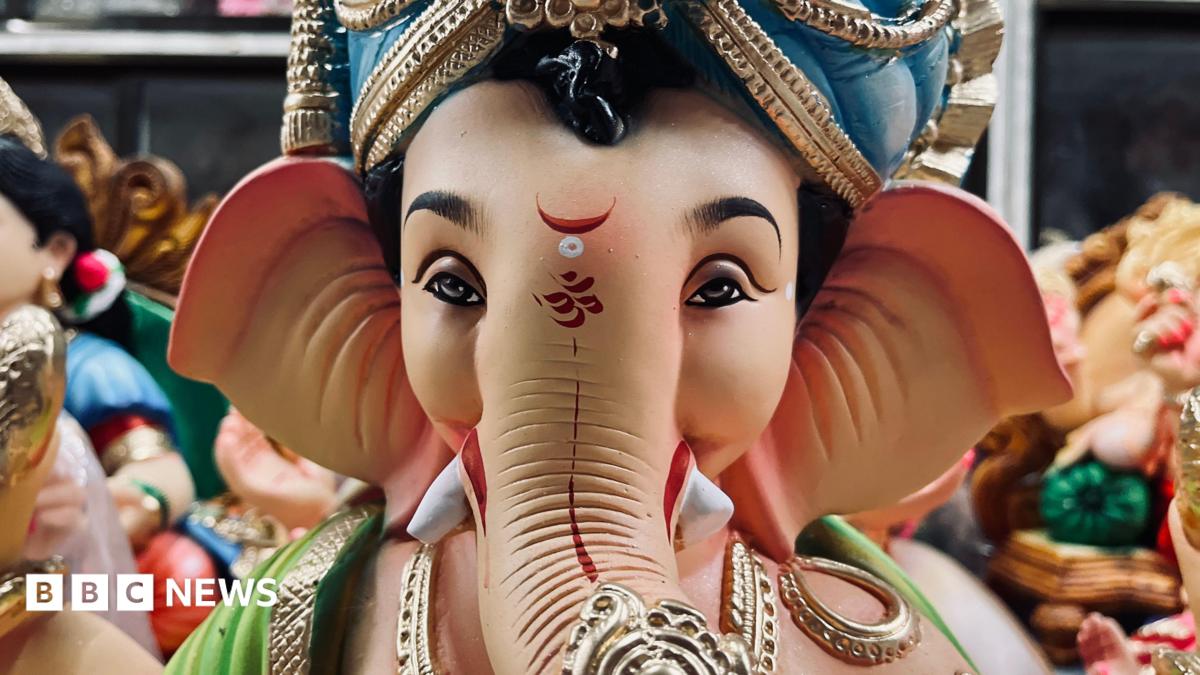
Weeks before Ganesh Chaturthi, Ganesh idol makers in parts of Maharashtra are counting heavy losses after floods swept through workshops and storage yards. The deluge destroyed clay models, painted finishes and stored materials, leaving many artisans to rebuild preparations that normally take months in a matter of weeks.
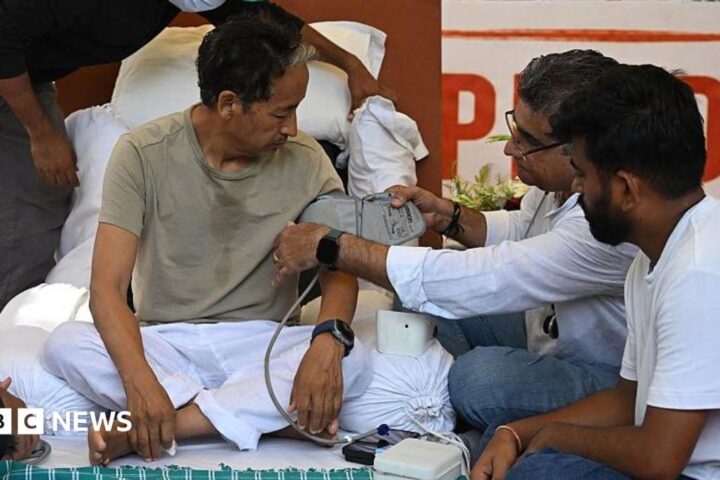
The scene in affected neighbourhoods is of mud-streaked streets and open yards where fragile figures once dried. A lead image from reporting on the event shows artisans inspecting damaged sculptures in flooded workspaces, underlining how quickly seasonal work can be wiped out by extreme weather.
What happened in Maharashtra: Ganesh idol makers
Heavy rains and swollen waterways caused flash flooding across several districts of Maharashtra in mid-July. Water entered low-lying workshops used to mould and paint clay idols, soaking pieces at various stages of completion and washing away stacks of finished and semi-finished figures.
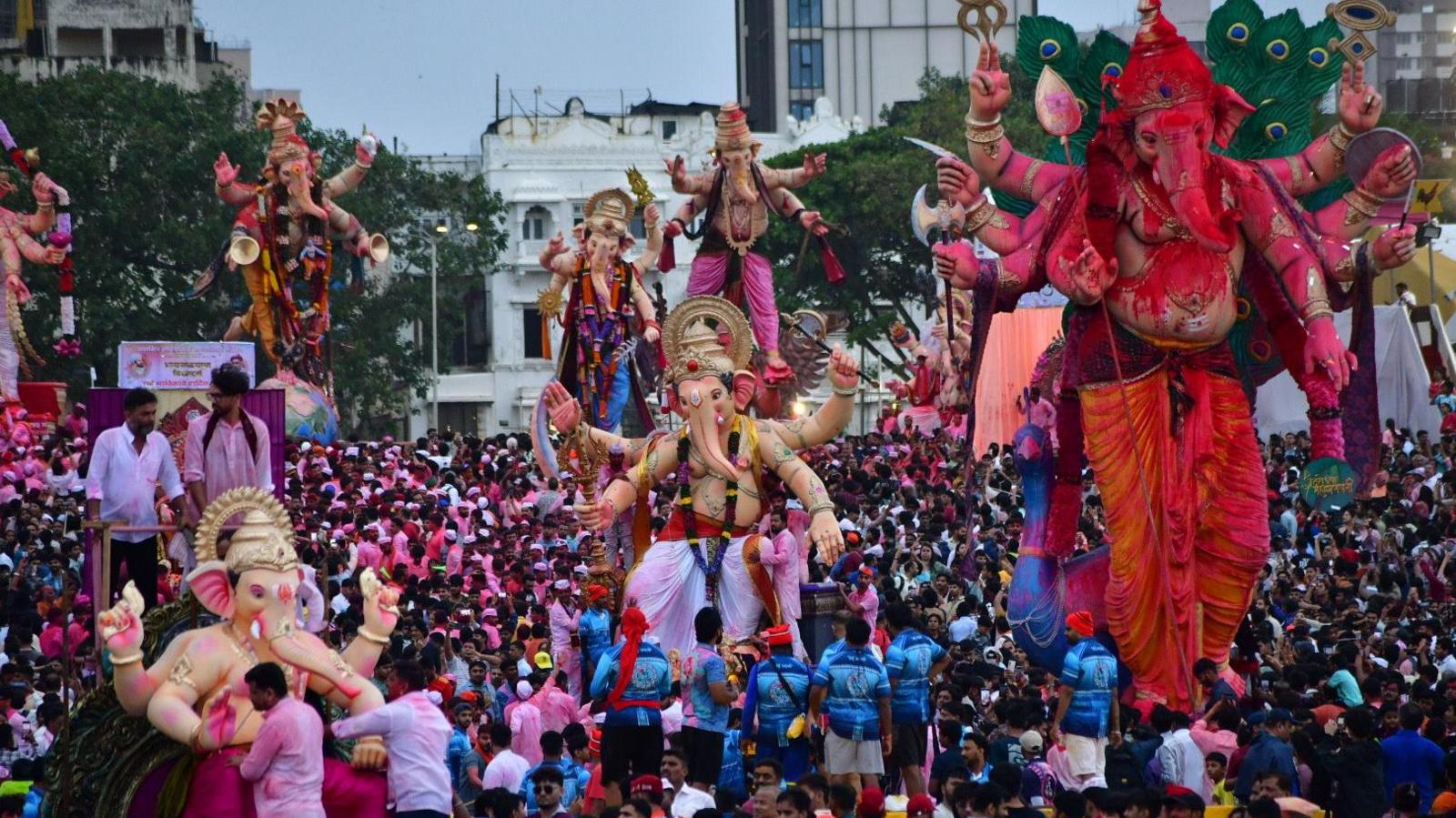
Many artisanal workshops are basic structures with open yards used for drying and painting. When floodwaters rose, those open spaces offered little protection for fragile clay figures and the materials used to make them, including papier-mâché, natural dyes and straw armatures. Reports describe mud-coated sculptures and ruined stock piled after months of labour.
According to on-the-ground reporting, artisans and neighbours worked to salvage what they could, but much of the stock meant for sale during Ganesh Chaturthi — the busiest period for makers — was lost or badly damaged. The BBC reported images of flooded workspaces and damaged idols, while noting that full counts of affected artisans and pieces were not yet available.
Impact on artisans and supply chains
For many families, making Ganesh idols is a seasonal craft that provides the majority of annual earnings. Losing weeks or months of work can mean immediate income loss and additional expenses to replace materials, repair tools and rebuild workspace.
The production cycle for idols depends on stages of drying, painting and varnishing. Clay needs time to dry properly; once soaked, figures can crack or slump, and pigments and organic pigments may run or rot. Even idols that survive may need substantial repairs or repainting, increasing labour costs and delaying sales.
Beyond individual artisans, the floods disrupt a wider festival supply chain. Merchants who buy idols in bulk for local markets may face shortages. Suppliers of dyes, moulds, straw, wire armatures and transport services could see orders shrink, affecting livelihoods further down the chain. Small workshops that operate on thin margins are particularly vulnerable: rebuilding or renting temporary workspace and replacing moulds can push already limited budgets and force artisans to accept lower prices to move surviving stock.
Local sellers and organisers who pre-book larger idols for public installations may now scramble to find replacements. That can push procurement to other states or regions, shifting income away from local maker communities at the time they need it most.
Reporting from the affected towns includes voices of artisans describing the scale of personal loss. According to the BBC, some makers said they had spent months on orders that were ruined overnight and faced difficult choices about taking on debt or cutting production this year.
Local response and aid efforts
Municipal authorities and community volunteers moved quickly to clear debris and provide immediate relief in flooded neighbourhoods. Rescue teams prioritised evacuations and the provision of food, shelter and medical checks, while local groups began salvaging usable materials where safe.
Relief at this stage focuses on short-term recovery: drying and salvaging moulds, distributing basic supplies and arranging temporary workspace for some artisans. Non-governmental organisations and local businesses occasionally step in after such disasters to provide materials, cash grants or tool replacements, but coordinated support aimed specifically at craft sectors can lag behind emergency response.
The BBC coverage notes officials saying assessments are under way and that further announcements about targeted assistance may follow. Local leaders have urged patience while damage is tallied and recovery plans are formed; for many makers, mutual aid—sharing drying space or lending equipment—has already become a critical immediate response.
Why it matters for Ganesh Chaturthi
Ganesh Chaturthi is one of Maharashtra’s most widely observed festivals, featuring public processions, community pandals and household worship. Idol makers supply figures across a range of sizes and styles tailored to family homes, residential neighbourhoods and large public installations.
Disruption to production affects not only artisans but festival organisers, traders and committees who plan installations months in advance. If supplies run short, communities may import idols from other regions, reuse older figures, or adapt celebrations—choices that can change long-standing local practices and economic flows.
The festival is both a cultural observance and a seasonal economic engine. Sales of idols and related crafts help many households through the year; lost income this season may ripple into reduced spending, fewer commissions for auxiliary artisans (painters, decorators, transporters), and pressure on festival budgets in affected towns.
What to watch next
Key developments to follow include official damage assessments, announcements of targeted aid or small-business relief, and local efforts to establish temporary workshops or communal drying facilities. Watch market signals such as price changes for raw materials and the availability of idols in local markets, which will indicate how quickly supply chains recover.
Longer-term recovery will depend on rebuilding resilient workspace and improving storage and drying infrastructure. If authorities and community organisations prioritise raised, water-resistant production spaces for seasonal crafts, future floods may cause less disruption. Local leaders have said assessments are ongoing; exact figures for affected artisans and total economic loss are not yet available.
Note: available reporting does not include a verified count of affected artisans, total economic losses, or precise numbers of ruined idols. Those figures may be released later as local officials complete assessments and NGOs publish damage tallies.
Source: BBC News – India.