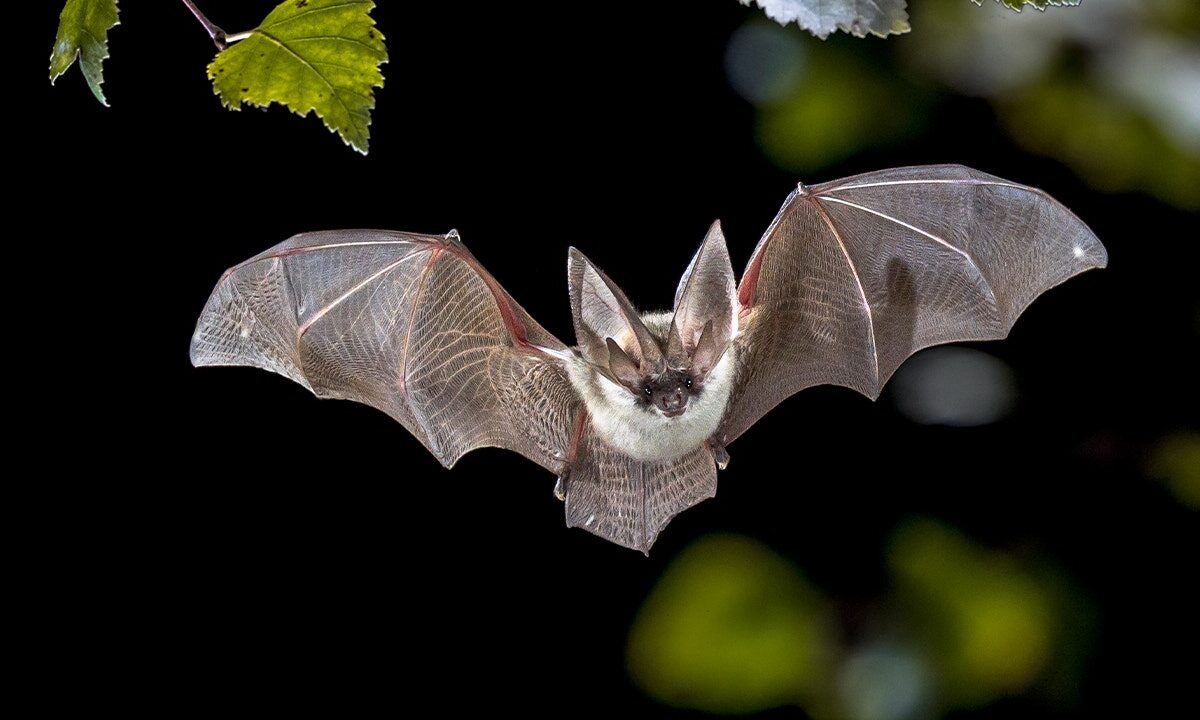
A rabid bat — a deceased wild bat recovered outside the Oasis on the Rocks restaurant at the San Diego Zoo Safari Park on July 11 — has tested positive for rabies, San Diego County officials said. The county is asking visitors, employees and anyone who may have had direct contact with the animal to come forward for health evaluation as a precaution.
The San Diego County Public Health Laboratory confirmed the positive result after testing the specimen. Park officials emphasized the animal was not part of the Safari Park’s collection and that no human contact with the bat has been reported so far.
Rabid bat found near Oasis on the Rocks
According to statements from the San Diego Zoo Safari Park and county public health investigators, the bat was found near the outdoor dining area of Oasis on the Rocks on July 11. Park staff alerted county investigators, who collected the specimen and submitted it to the county lab for testing.
Officials say they monitored the area while they worked to identify any visitors or staff who might have handled the animal. The Safari Park stressed that casual proximity to the scene without physical contact does not generally pose a risk, but county investigators continue outreach to ensure anyone with possible direct contact receives prompt evaluation.
What health officials say and immediate guidance
“We are investigating to ensure anyone who came into contact with the bat receives care quickly. Once symptoms start, there is no treatment for rabies,” said Dr. Ankita Kadakia, San Diego County’s deputy public health officer, in a county release. County officials urged anyone who may have touched or picked up a bat to seek evaluation without delay.
Public health guidance emphasizes immediate first aid and rapid medical assessment. If someone touched the bat or was bitten or scratched, they should wash the area thoroughly with soap and water for 10 to 15 minutes and contact a health care provider or public health authorities to determine whether rabies post-exposure prophylaxis (PEP) is recommended.
Local rabies numbers and wildlife context
San Diego County reported this as the 19th bat to test positive for rabies so far this year; county officials noted 21 bats were confirmed positive during all of 2025. County leaders emphasized those counts reflect reported test results and may be updated as additional specimens are submitted and investigations continue.
Wildlife experts and local veterinarians remind the public that bats are an important part of San Diego’s ecosystems. “There are many bat species in the region that help control insect populations and benefit gardens and farms,” said Dr. Alexis Wohl, wildlife veterinary manager at the San Diego Humane Society. Still, experts caution that people should never handle bats with bare hands or attempt to move them.
If you or your pet were exposed
If you believe you touched or handled the bat, or if you were bitten or scratched, act quickly: clean the area with soap and water for 10 to 15 minutes and contact your health care provider or San Diego County Public Health for evaluation. Health officials will assess the exposure and decide whether rabies PEP is necessary based on the circumstances.
Pet owners should ensure vaccinations are current. If a pet may have had direct contact with the bat, contact your veterinarian immediately; your vet and local animal control can advise on observation, testing or quarantine steps. County animal services can assist if a potentially infected wild animal is found on private property.
Rabies is a serious viral infection that affects the nervous system. Public health officials stress that rabies is nearly always fatal once symptoms appear, which is why timely medical evaluation and, when indicated, PEP can be lifesaving. Officials also note that PEP is effective when given before the onset of symptoms.
Why this matters locally
Human cases of rabies are rare in the United States, but each confirmed rabid animal represents an opportunity for public health intervention to prevent illness. This particular discovery occurred near a heavily visited area of the Safari Park, increasing the urgency of swift outreach to visitors and staff who may have been in direct contact with the bat.
The county’s messaging aims both to protect public health and to reduce unnecessary alarm. Officials encourage people to report potential exposures and to follow simple precautions: do not touch bats, supervise pets outdoors, and report any sick or unusually behaving wildlife to local authorities.
Sources and contact information
The San Diego County Public Health Laboratory confirmed the positive rabies test. Details on the location and the park’s response were provided by the San Diego Zoo Safari Park and San Diego County public health officials. For official guidance, contact San Diego County Public Health or visit the county’s public health web pages for instructions on evaluations and available services.
Primary sources for this report include San Diego County Public Health Laboratory test confirmation, San Diego County statements, and the San Diego Zoo Safari Park’s incident details. Initial reporting and additional context were also available from Fox News Digital’s coverage of the event.
FAQ
Was anyone exposed to the rabid bat?
County officials said no human contact has been reported to date. Investigators are continuing outreach to visitors and staff who may have been in the immediate area and are asking anyone who handled or touched the bat to come forward for evaluation.
What should I do if I touched a bat?
Wash the area with soap and water for 10 to 15 minutes, then contact your health care provider or county public health. Officials will assess the risk and determine whether rabies post-exposure prophylaxis is needed.
Can my pet get rabies from a bat?
Yes. Pets can be exposed through direct contact. Ensure pets are up to date on rabies vaccinations and contact your veterinarian immediately if your animal may have had contact with a bat.
For the most current instructions and local contact information, consult San Diego County Public Health resources and the San Diego Zoo Safari Park’s public statements.