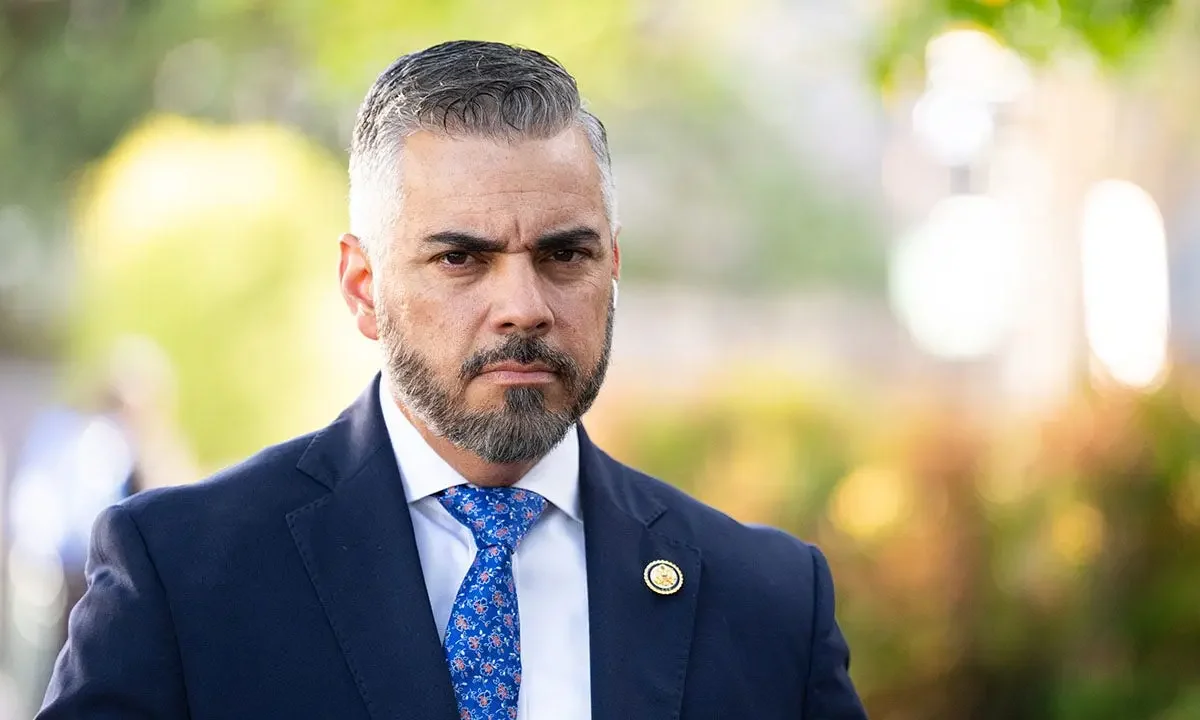
Rep. Juan Ciscomani clinched the GOP nomination in Arizona’s competitive congressional district after running unopposed in the primary, setting up a November rematch with Democrat JoAnna Mendoza in a race the Cook Political Report rates a toss-up.
The result cements Ciscomani’s position as the Republican incumbent in a seat that stretches from Tucson suburbs to communities near the U.S.–Mexico border and remains one of the contests that could shape control of the U.S. House.
Juan Ciscomani secures GOP nomination
Juan Ciscomani ran unopposed in the GOP primary and has the backing of former President Donald Trump, a factor his campaign will likely highlight in general election messaging. He is seeking a third term after first winning the seat in 2022.
Ciscomani serves on committees important to the district’s priorities and is a member of the Problem Solvers Caucus and the Main Street Caucus. Before his time in Congress he worked as a senior adviser in Arizona state government and with local business groups. Reporting notes he was the first naturalized citizen from Mexico elected to Congress when he won in 2022.
His campaign emphasizes bipartisan cooperation, border security paired with legal pathways for immigration, and ties to local business and civic organizations. National Republicans have kept attention on the seat because of its recent narrow margins.
Who is JoAnna Mendoza
JoAnna Mendoza, a Marine veteran and political consultant, also ran unopposed in the Democratic primary. Democrats added her to their national Red to Blue program as a key recruit in efforts to flip the seat.
Mendoza is a newcomer to federal elections but has drawn national party support and local organizing. Her campaign emphasizes military service, veterans’ issues, and community engagement. Democrats see the district as winnable given recent close results and broader competitive trends in Arizona.
Allegations and campaign scrutiny
Mendoza’s campaign has faced public scrutiny over accounts she followed on her campaign Instagram, an issue reported by other outlets. Some reporting, including coverage by the New York Post, said the list included several OnlyFans creators and other provocative accounts; one external report described an account as belonging to a transgender activist who posted sexually explicit images.
Those descriptions and characterizations originated in outside reporting and remain framed as such. The New York Post and other outlets also highlighted a 2020 interview in which Mendoza discussed decriminalizing prostitution while emphasizing access to services, support networks and healthcare. Mendoza’s campaign has disputed or contextualized some of the coverage, and those items have not been independently verified by this outlet.
Republican groups have used the reports in attack messaging; an NRCC spokesman was quoted calling Mendoza “a risk” to working Arizonans. Such exchanges reflect the partisan dynamics as each side seeks to define the race ahead of November.
Race context and stakes for the House
The Cook Political Report lists the contest as a toss-up, underscoring how narrowly divided the district is and why national parties are investing resources here. Recent elections in the district have been decided by single-digit or smaller margins, and both campaigns are treating the seat as central to their House strategies.
Control of a small number of competitive seats like this one could determine which party holds a House majority. That has attracted national fundraising, independent expenditures and attention from party committees as they allocate resources for the fall.
Issues expected to dominate the campaign include border policy, local economic concerns, health care and suburban voters’ priorities. Given the district’s blend of border-adjacent and suburban communities, messaging will likely vary across precincts and voter groups.
Next steps to November
With primaries now concluded, the general election rematch is set for November. Key milestones ahead include candidate debates, quarterly fundraising reports, ballot certification deadlines, and any major independent-expenditure activity that could shift late narratives.
Polling and fundraising updates will be important indicators to watch as both parties decide where to put staff and ad dollars. Local turnout efforts, early voting patterns and how national groups frame the race in advertising could all influence the final outcome.
Voters will see continued contrast on border policy and economic messaging, and small shifts in turnout could decide the contest if the district remains as close as recent margins suggest.
FAQ
Who is Juan Ciscomani and why is this race notable?
Ciscomani is the Republican incumbent who first won the seat in 2022 and is seeking a third term. The district is notable because recent elections have been decided by narrow margins, and the Cook Political Report lists it as a toss-up that could affect House control.
What is JoAnna Mendoza’s background and why did Democrats back her?
Mendoza is a Marine veteran and political consultant. Democrats added her to the Red to Blue program as a recruit they believe can compete in this suburban-leaning swing district.
How competitive is the Arizona district and what does toss-up mean?
A “toss-up” rating from Cook means the race is highly competitive with no clear, enduring advantage for either party. Recent results in the district have been decided by narrow margins, making it a key battleground.
Source attribution: Reporting summarized from Fox News. The campaign scrutiny items referenced above were reported in other outlets, including the New York Post; those allegations are presented here as reported by those publications rather than as independently verified. Original reporting: Fox News.