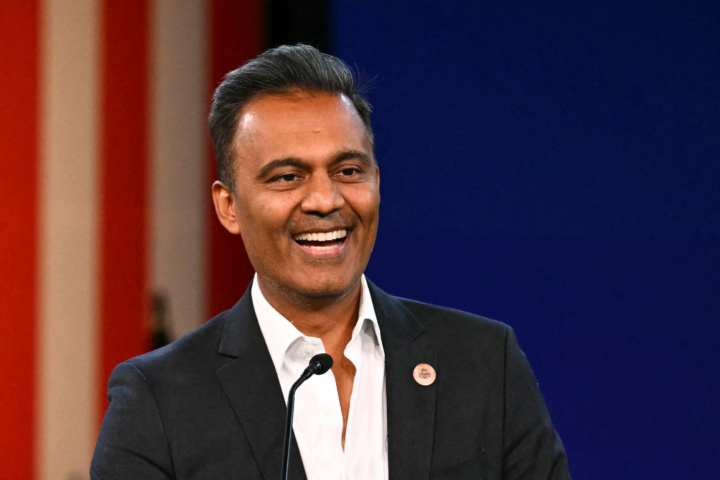
Rep. Andy Biggs captured the Arizona Republican gubernatorial nomination Tuesday night after the Associated Press called the race, reporting he had more than 70% of the vote in early returns with just under half of ballots counted. At the time of the AP call, Biggs led his nearest competitor by more than 50 percentage points.
“The Biggs campaign called the attack ‘a desperate tactic by our opponent.'”
AP calls the race: Biggs declared winner
According to the Associated Press, the projection came as returns showed Biggs with north of 70% support while roughly just under 50% of precincts had reported. The AP’s tally listed Rep. David Schweikert at about 17%, contractor Scott Neely near 7% and businessman Ken Miceli around 5.4% when the call was made.
The early margin left little doubt about the outcome as additional returns streamed in, producing a lopsided finish in a combative and expensive primary that featured sitting members of Congress and several statewide hopefuls, the AP reported.
How Biggs clinched the nomination
Biggs’ victory reflected a combination of high-profile endorsements, outside spending and name recognition, according to the Associated Press. The AP reported that former President Donald Trump endorsed Biggs, and that Biggs drew significant support from the political arm of Turning Point USA.
Those backers helped amplify his message statewide and contributed to a campaign operation that outspent and outpaced many rivals in targeted advertising and outreach, the AP said. Biggs also benefited from a consolidated conservative base and steady grassroots organizing in key Republican areas.
The primary was widely viewed as a test of Trump’s continued sway over Republican nominations. The Associated Press noted that Trump’s endorsement and allied outside groups have in recent cycles reshaped primary fields and helped preferred candidates secure nominations in several states.
Andy Biggs
Biggs is a former chair of the House Freedom Caucus and a prominent conservative voice in Arizona and national Republican circles. He campaigned on a platform that appealed to core GOP voters, emphasizing conservative priorities and leveraging his congressional profile to garner statewide attention.
Campaign officials and outside groups repeatedly emphasized Biggs’ alignment with national conservative priorities, a strategy that helped convert name recognition into votes across the large primary electorate, AP reporting said.
Campaign tensions and allegations
The Republican contest turned sharply confrontational at times. According to the Associated Press, Schweikert’s campaign circulated mailers that accused Biggs of associating with white supremacist and antisemitic groups. The Schweikert campaign presented those materials as an attempt to distinguish its candidate from others in the race.
The Biggs campaign dismissed the mailers as, in its words, “a desperate tactic by our opponent.” The AP’s election-night coverage noted both the attack ads and the denials, and said the claims and counterclaims were part of the contentious primary messaging environment. Neither side’s harsher assertions were independently verified by AP at the time, the organization added.
What this means for November
With the GOP nomination decided, Biggs will face Democratic Gov. Katie Hobbs in the general election. The Associated Press reported that Hobbs was unopposed for renomination, setting up a direct November contest between the incumbent governor and a Trump-backed Republican standard-bearer.
The matchup is likely to draw national attention and funding as both parties see the race as significant for control and messaging in battleground Arizona. The AP noted that Trump-backed nominees have continued to reshape state-level contests, and analysts cited by AP said such endorsements can influence both turnout and fundraising heading into the general election.
For Democrats, the race presents a familiar challenge: Hobbs must shift from defending her record as governor to making the case to a statewide electorate about priorities ranging from public safety and the economy to health and education policies. For Republicans, Biggs will seek to broaden his appeal beyond the primary coalition while maintaining the energy that propelled him to the nomination.
What comes next for Arizona voters
Voters should expect campaigns to move quickly from primary maneuvers to sustained general-election activity. Key near-term steps include the certification of primary results in the coming days and the ramp-up of statewide campaigning, debates and advertising as both sides prepare for November’s vote.
Important dates: the general election is scheduled for Nov. 4, 2026. In the weeks ahead, voters should watch for announcements about statewide debates, campaign events, early voting periods and any post-primary legal or procedural developments that could affect the certified tally.
Arizona voters can follow local county election offices for the most accurate information on ballot certification and early voting. Both campaigns are expected to deploy field operations and advertising aimed at persuadable voters and boosting turnout in key counties.
Reporting on the call and the vote figures above is based on Associated Press coverage. The AP made the projection on the basis of its vote tallies and reporting; details on vote percentages and the timing of the call come from AP election reporting. Voters should look for certified results and official county canvasses for final totals as the state completes its tabulation.