Zohran Mamdani AIPAC remarks prompted more than 700 rabbis to ask New York City Mayor Zohran Mamdani to apologize after he called the American Israel Public Affairs Committee “monsters” at a June 18 rally. The rabbis said the language amounted to dehumanization that could increase risks to Jewish Americans and their allies.
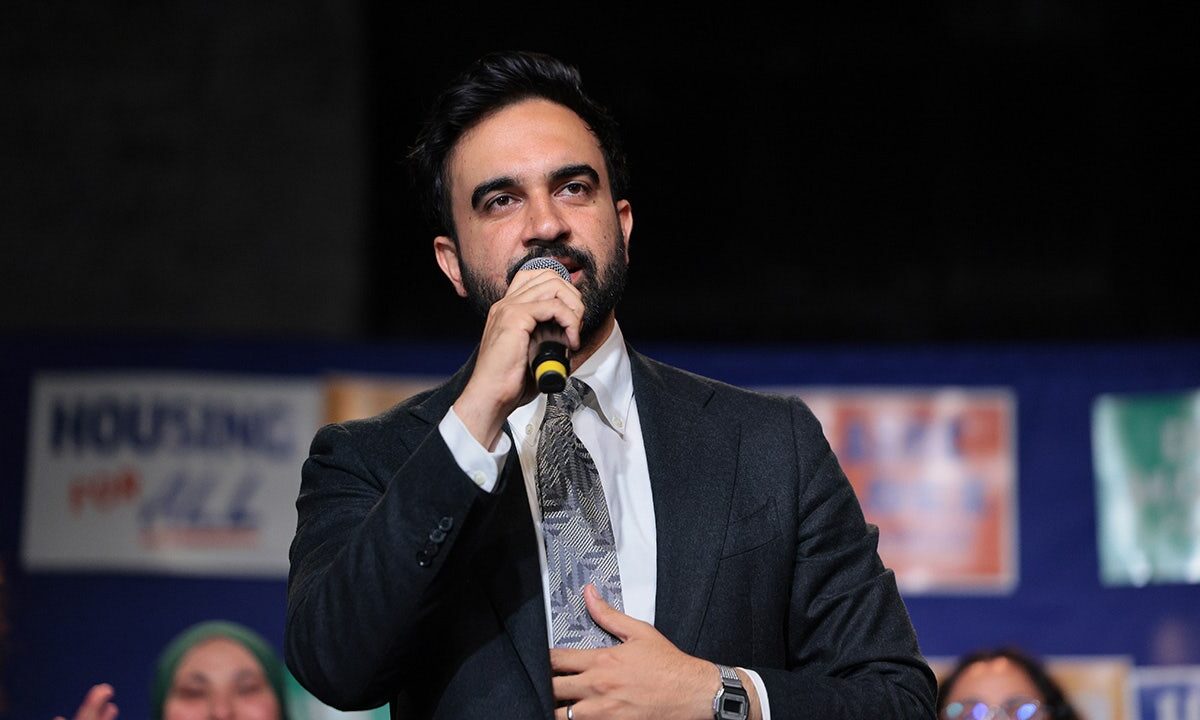
Rally in New York City where the comments were made
What happened: Zohran Mamdani AIPAC remarks
At a June 18 rally ahead of New York City’s Democratic primaries, Mamdani criticized AIPAC and the role of dark-money political spending, saying the group were “monsters” who use “millions in dark money to accomplish a single goal — to preserve their power.” The remark, delivered in public campaign remarks, quickly drew the attention of faith leaders and political figures.
The criticism came as part of broader commentary by Mamdani about political influence and the humanitarian concerns he tied to the Israel-Hamas conflict. The rabbis who signed the letter framed their response as a safety concern for Jewish Americans rather than a policy disagreement alone.
Rabbis letter and community concern
An open letter signed by more than 700 rabbis nationwide said Mamdani’s words “put a target on the backs of American Jews and their allies.” The signers called the characterization “beneath the office he holds” and warned that describing civic participation as “monstrous, conspiratorial and anti-democratic” risks stoking prejudice against ordinary citizens who engage in political advocacy.
The letter pressed for three specific remedies: an apology, a public retraction and an explicit affirmation that “Jews and pro-Israel Americans are full participants in our democracy.” The rabbis emphasized that they represent a range of views on Israel and U.S. policy, saying their shared alarm stemmed from the rhetoric used rather than a single policy stance.
Mamdani response and context
Mamdani has publicly defended his phrasing when asked by reporters. He said he was quoting Antonio Gramsci and used the term to criticize what he described as entrenched power structures. “I used the term to describe all those who are preventing the birth of a new world. Not solely AIPAC, but frankly, super PACs at large…,” he told reporters, according to coverage of his remarks.
In defending his broader stance, Mamdani stressed humanitarian concerns tied to the Israel-Hamas war and framed his critique as moral opposition to a status quo he described as unjust. He also told reporters, “We’re talking about a status quo where children are being killed on a daily basis,” placing his comments in the context of his stated human-rights arguments.
Political and organizational reactions
National leaders and advocacy groups quickly responded. Rep. Josh Gottheimer warned that substituting “AIPAC” for “Jews” would echo longstanding antisemitic conspiracy tropes, writing on X that the rhetoric risked invoking “the oldest antisemitic conspiracy theory in the books.” His statement framed the concern as both political and a matter of community safety.
Jonathan Greenblatt, CEO of the Anti-Defamation League, criticized the mayor’s language as “deliberate, dangerous and disgraceful,” saying it resembled “bigoted conspiracy mongering.” The ADL’s reaction emphasized the potential for such language to inflame bias and threatened communities, calling for measured public discourse from elected officials.
Other public officials and community groups have likewise urged care in public rhetoric, arguing that leaders must balance robust political critique with the responsibility to avoid language that could be read as dehumanizing a community.
City action and hate crime prevention
Mamdani’s office pointed reporters to the administration’s public-safety plans in response to concerns raised by the rabbis and others. City officials noted a planned investment of $26 million annually to expand hate crime prevention programming and support deterrence efforts, framing it as part of a broader strategy to protect vulnerable communities.
Officials described the funding as aimed at prevention, rapid response and community-based interventions rather than as a direct reaction to any single comment. The mayor’s statements on public safety underscored the city’s stated priority to ensure that Jewish New Yorkers and other groups “are accorded the same security and the same peace of mind,” language the mayor has used in prior remarks.
Why it matters
Faith leaders said the matter matters because of the social and safety implications of political rhetoric. The rabbis’ letter framed the issue as a public-safety concern: when leaders use dehumanizing language about organizations tied to a religious community, signers argued, it can contribute to a climate in which that community feels at risk.
Advocates and political leaders responding to the remarks have pointed to both the immediate community impact and the broader electoral stakes. With the remarks made publicly during a primary season, observers note the potential for local controversies to have national resonance, especially when they touch on issues of religion, identity and political influence.
What comes next
The rabbis who signed the letter explicitly demanded an apology, a retraction and a clear affirmation of Jewish participation in civic life. The most immediate items for reporters to watch are any formal reply from Mamdani’s office and whether city agencies move to outline or accelerate specific security measures tied to the announced prevention funding.
Politically, the controversy could affect how local leaders and national organizations engage with Mamdani in coming weeks, including fundraising, endorsements and public statements. Reporters will likely seek additional comment from the mayor’s office, follow-up from the letter’s organizers, and updates from community safety officials on any operational changes tied to the $26 million prevention plan.
Source: Fox News – Hundreds of rabbis demand Mamdani apologize for putting ‘target’ on American Jews with AIPAC ‘monster’ remarks