Rep. Brandon Gill repeatedly pressed a question about SNAP and Coca-Cola during a House Oversight subcommittee hearing, asking whether taxpayer-funded benefits should cover sugary sodas. The exchange, which drew attention on both sides of the aisle, focused on how the Supplemental Nutrition Assistance Program handles purchases that some lawmakers call discretionary or nutritionally poor.
What happened at the House hearing
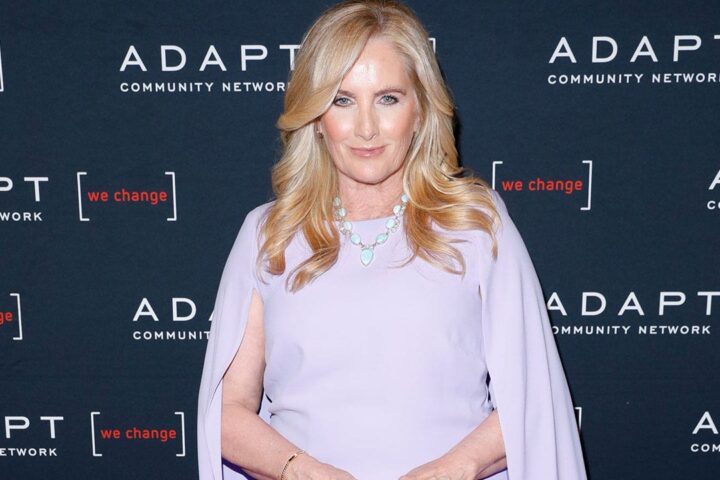
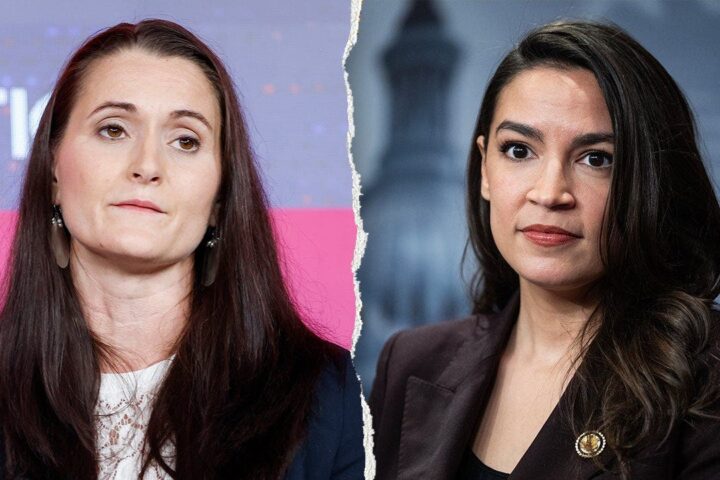
The panel convened to examine allegations of waste, fraud and abuse in SNAP, a program that provides monthly benefits to eligible low-income households. During questioning, Gill, R-Texas, asked Gina Plata-Nino, director of policy and advocacy for the Food Research & Action Center, whether Americans “need Coca-Cola to survive.” Plata-Nino replied that SNAP exists to help families obtain “food and beverages,” prompting follow-up questions from Gill about sugary drinks in particular.
The hearing included testimony from a range of witnesses about program administration, retail compliance and spending patterns. Republicans framed the questioning around stewardship of public funds, while Democrats and some witnesses warned against overly prescriptive limits that could stigmatize recipients.
Why lawmakers questioned SNAP and Coca-Cola purchases
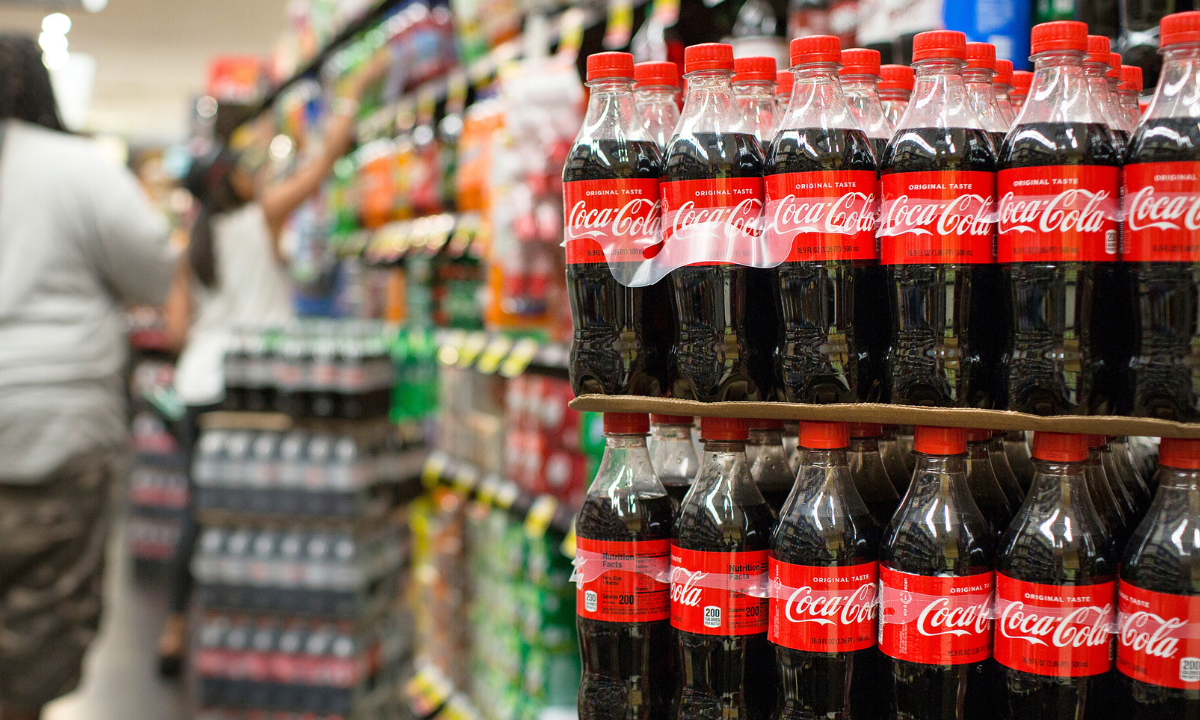
Republican members argued the line of questioning was necessary to highlight potential misuse and ensure taxpayer dollars are spent on nutritional essentials. They said lax oversight of retailers or broad eligibility rules can enable purchases they view as inconsistent with the program’s intent, and they raised the example of sugary sodas like Coca-Cola to illustrate their concern.
Democrats and food security advocates countered that narrowing eligible purchases could create administrative burdens, complicate shopping for millions of beneficiaries and risk denying access to food for families in need. The debate reflects a broader tension between limiting perceived waste and preserving flexible access to calories and convenience for households facing food insecurity.
Advocate response and key quotes
Plata-Nino emphasized that her testimony reflects food security priorities, saying she is “not a nutritionist” and that she speaks from the perspective of a “food security expert.” She defended the principle that SNAP covers “food and beverages,” and urged lawmakers to focus enforcement on clear cases of fraud rather than narrowing eligible categories for all beneficiaries.
She also relayed testimony heard by advocates that some individuals reported relying on certain drinks in specific circumstances, such as to address low blood sugar; those were presented as witness statements during the hearing. Plata-Nino stressed preventing hunger as the program’s core goal, noting that forcing overly rigid restrictions could harm households that already struggle to access food.
Context: how SNAP works and scale
SNAP provides monthly benefits via electronic benefit transfer (EBT) cards that can be used at authorized retailers to buy most grocery items. The program serves more than 40 million Americans and has total annual outlays in the range of roughly $100 billion, making it one of the largest federal nutrition programs.
Federal rules exclude certain purchases — for example, prepared hot meals from restaurants and most nonfood items — but allow most grocery-store food and beverage purchases. States and retailers follow federal guidelines for benefit redemption, and the Agriculture Department carries out oversight and anti-fraud efforts. The hearing’s questions centered on whether additional category-specific limits or retailer-level enforcement changes would be practical and effective.
Policy implications and what comes next
Lawmakers on the House Oversight subcommittee discussed several oversight options, including tighter monitoring of retailers, targeted enforcement against suspected fraud, and proposals to narrow eligible purchases. Some members indicated they might pursue legislative or regulatory avenues, while others cautioned that changes could add administrative costs and potentially reduce access for eligible families.
Next steps could include follow-up requests from the Committee to the U.S. Department of Agriculture for transaction data, vendor compliance records and details of state-level administration. The subcommittee may hold additional briefings or hearings; any formal rule changes would likely require regulatory processes or congressional action and entail public notice-and-comment periods.
Expert reaction and health caveats
Health professionals were not part of the exchange on SNAP and Coca-Cola; assertions about medical needs for sugary drinks cited during testimony were presented as witnesses’ statements rather than verified clinical guidance. Observers and public-health experts note that medical claims should be evaluated by clinicians and not used as substitute for clinical judgment when shaping policy.
Nutrition advocates typically recommend prioritizing foods that support long-term health, while food security organizations emphasize immediate access to adequate calories and practical shopping realities. Policymakers weighing changes must balance public-health goals with program reach and administrative feasibility.
Frequently asked questions
Can SNAP benefits be used to buy soda like Coca-Cola?
Yes. Under current federal rules, most grocery-store foods and beverages are eligible purchases with SNAP benefits, and sugary sodas sold in grocery settings are generally permitted. Certain beverage purchases may be restricted by sale format (for example, prepared hot beverages sold at food service locations).
Are medical exceptions allowed for sugary drinks under SNAP?
SNAP’s standard rules do not include broad medical exceptions for specific food items. Testimony during the hearing included claims by witnesses about individual needs, but such assertions would require clinical verification to justify formal medical accommodations or policy carve-outs.
Could this hearing lead to changes in SNAP rules?
The hearing could prompt additional oversight, data requests or legislative proposals. Any change to federal SNAP eligibility rules or purchase restrictions would require formal administrative or congressional action and would probably involve extended review and public comment before taking effect.
Source attribution: Reporting for this update draws on original reporting by Fox News. For the original article and coverage of the exchange, see: https://www.foxnews.com/politics/see-it-snap-advocate-defends-taxpayer-funded-coca-cola-fiery-exchange-gop-lawmaker-waste.