The King revealed the tax he paid on 2026-06-26, and that disclosure has refocused attention on royal finances and public transparency, BBC News reports. The brief statement confirmed a payment but did not publish audited accounts or full breakdowns; as the BBC put it in its coverage, “How transparent are the royals being about money?” — a question many commentators say remains open.
This explainer summarises what was disclosed, how money connected to the Royal Family is reported today, the specific gaps the BBC highlights, and the practical next steps journalists and the public can follow to get clearer answers. Where possible the piece uses BBC coverage as the primary source and notes uncertainties that remain without further official documentation.
Royal finances: what the King disclosed
On 2026-06-26 the Royal household published a short statement revealing the tax the King had paid over a defined period. BBC News reported the disclosure and its limited format: a single headline figure and basic timing, rather than a full, itemised accounting of income streams or the calculations behind the tax liability.
The statement confirmed that tax had been paid for specified years, and officials said the payment related to those periods. BBC coverage emphasised that the announcement answered the narrow question of payment but did not provide the background documents — such as audited accounts or reconciliations — that would allow independent verification of how the figure was reached.
That distinction matters: a headline tax figure can establish that an obligation was met, but without supporting schedules or third-party audit commentary it is harder to assess whether the scope of income included, the tax bases applied, and any related trust arrangements were all accounted for in the single number disclosed.
How royal money is reported now
Royal finances are a mix of public funding for official duties and private income or assets held by members of the Royal Family. Several different reports and procedures intersect to create the public picture, and reporting conventions determine which elements are visible to taxpayers.
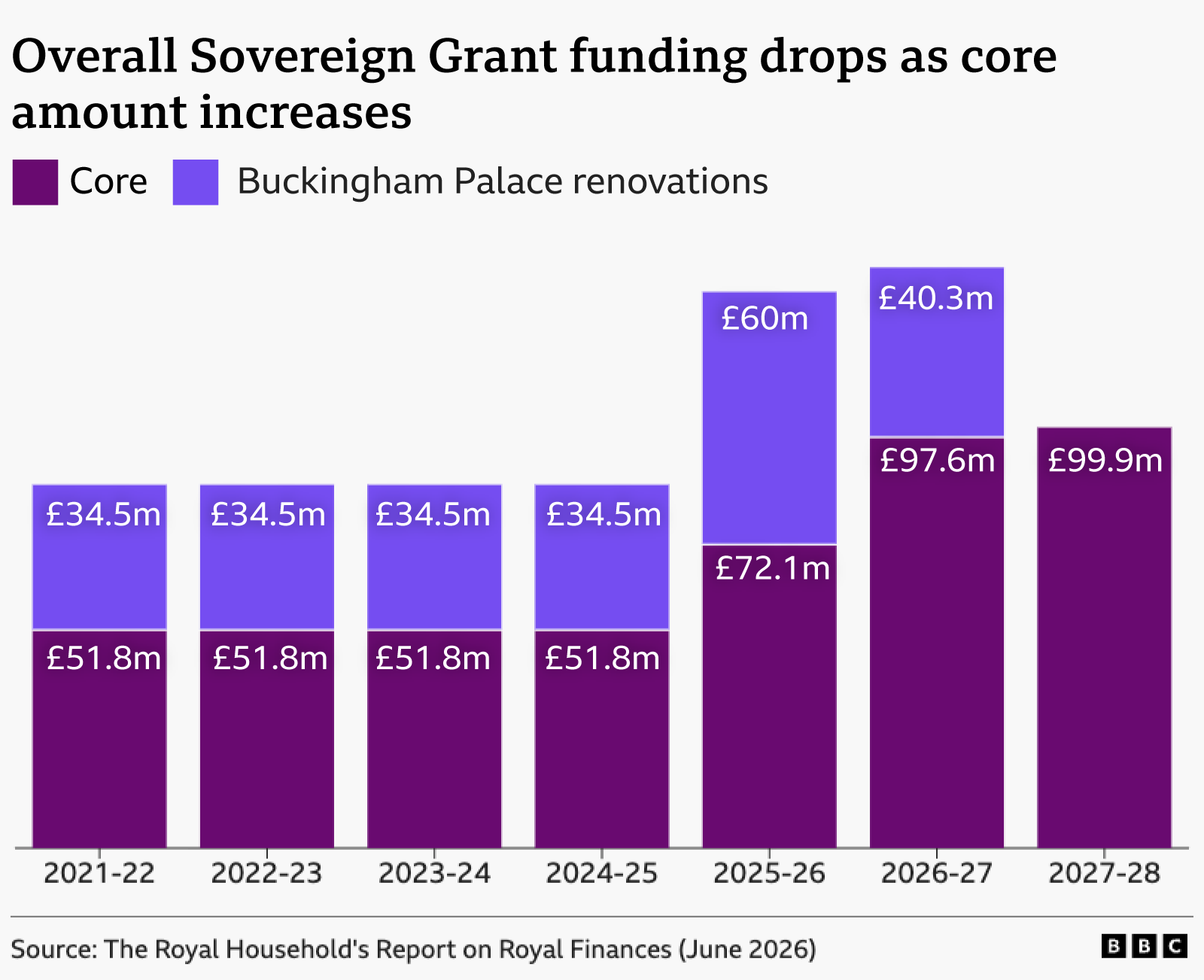
At present, official summaries such as annual reports on the Sovereign Grant and other published accounts capture part of the financial picture for activities funded by the state. Private income sources and some trusts are treated differently and may not be included in those public summaries in the same way. BBC analysis notes that this patchwork approach produces partial visibility rather than a single, consolidated public account of all wealth, income and tax positions.
Tax practice for royals has involved a mix of statutory obligations and voluntary disclosures in the past, which complicates direct comparisons with ordinary taxpayers. Transparency advocates and some lawmakers argue for clearer, consistent reporting so members of the public can see how public funding, private wealth and taxation interact in practice.
Unanswered questions and public concerns
BBC News says questions remain despite the King’s disclosure. The gaps identified include: what exact income streams were included in the headline figure, which accounting periods the payment covered in precise start/end dates, and whether related trusts, property holdings or other assets were part of the calculation.
Another open point is how the disclosed figure reconciles with the formal accounts that are periodically published. BBC reporting highlights that without audited supporting documents it is difficult for independent journalists or auditors to confirm whether the tax relates only to personal income, to income used for official duties, or to a mixture of both.
Those uncertainties feed broader public concerns about openness and trust. Readers often assess transparency not just on whether tax was paid, but on whether reporting provides verifiable, line-by-line evidence so that the public can see how the figures were derived. Where documentation is not published, reasonable questions about scope and completeness remain.
Why this matters for accountability
Transparency and accountability are central to democratic oversight of public spending and institutional standards. The Royal Family receives public funding for official duties while also owning or controlling private assets. Clear reporting helps separate what the state pays for from what is privately funded and shows whether the taxation of private earnings aligns with public expectations.
When official statements are abbreviated, it is harder for parliamentary committees, auditors, journalists and the public to evaluate arrangements. The BBC coverage frames this as a matter of public interest: understanding the boundaries between public and private roles, and ensuring taxpayers can scrutinise the use of public money effectively.
What comes next and how reporters should follow up
There are concrete documents and actions to watch if you want to follow this story closely:
- Watch for the next annual Sovereign Grant report and any related annual accounts that might show how public funding and official costs are recorded.
- Look for published statements or accounts labelled Privy Purse or similar summaries that refer to private income linked to the monarch; where such documents are released they can clarify what was included in a tax calculation.
- Track parliamentary activity — written questions, select committee hearings or Treasury correspondence — which can prompt the release of further material or force clarifications about accounting periods and treatment of assets.
- Request audited schedules or reconciliations from the Royal household where possible, and monitor whether independent auditors or the relevant public audit bodies comment on any published accounts.
Practical timelines to watch include the publication dates for yearly financial statements, any mid-year explanatory notes the Royal household may issue, and responses to parliamentary scrutiny. BBC News – Top Stories and the original BBC article remain the best immediate sources for updates; the BBC has been guiding the public through which details have been disclosed and which remain outstanding.
Frequently asked questions
Did the King fully disclose his tax payments?
The King disclosed that he paid tax and provided a headline figure on 2026-06-26, but BBC reporting notes that full, auditable supporting documents were not published alongside that figure. Independent verification requires additional records or reconciliations with formal accounts.
How are royal finances normally reported and taxed?
Elements linked to official duties are generally reported in public accounts and summaries, while private income and some trusts are treated separately. The result is a layered reporting regime that can make simple comparisons with ordinary taxpayers difficult without consolidated disclosures.
What official records could provide more transparency?
Documents that would help include the Sovereign Grant annual report, any published Privy Purse statements or audited financial reports tied to the monarch’s private income, and relevant parliamentary committee papers or government communications. Journalists should also watch for independent audit commentary.
Source: BBC News – Top Stories. Original reporting: How transparent are the royals being about money?. For the latest updates follow BBC News coverage and subsequent official financial publications.