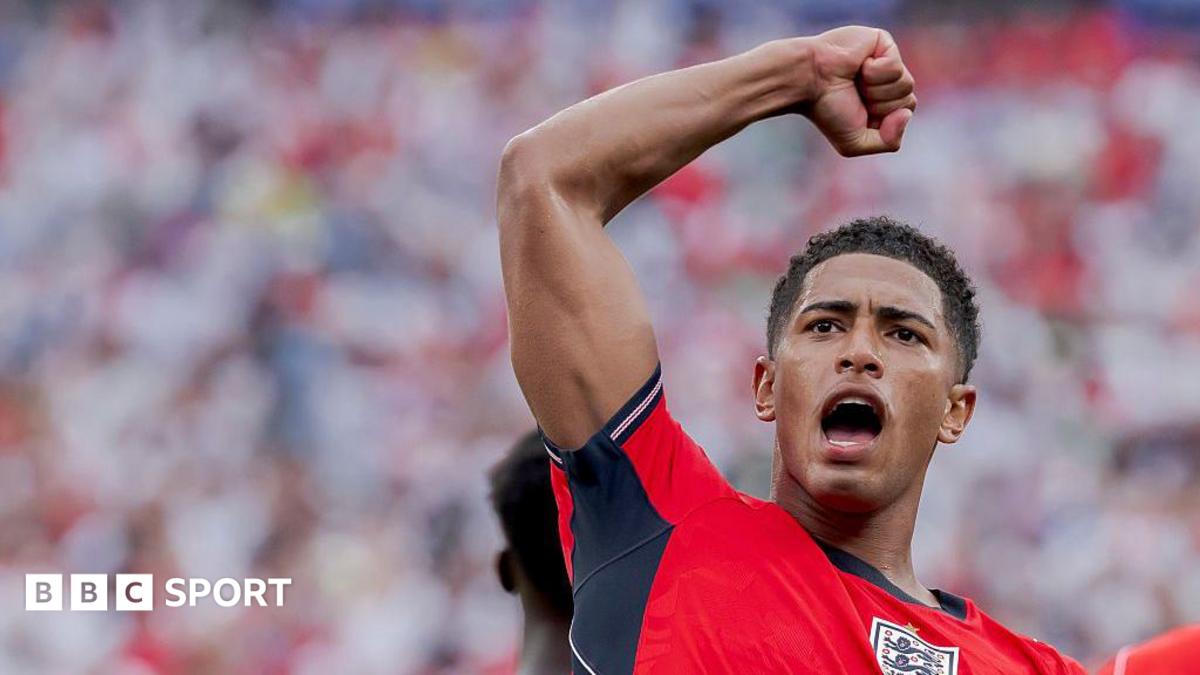
Jude Bellingham has moved from a debated selection to a tactical cornerstone in Thomas Tuchel’s England team. Early arguments over his starting place reflected different views on midfield temperament, but recent evidence shows Tuchel building structures around Bellingham’s balance of progressive play, defensive work and goal threat.
The selection debate was clear: should England prioritise extra defensive ballast or a multi‑tool midfielder who progresses the ball and arrives in the box? Tuchel’s repeated starts for Bellingham signal a preference for that hybrid profile. The manager trusts him to change phases quickly and to be a go‑to option when England need to move the ball into attacking zones.
Jude Bellingham’s role under Tuchel
Tuchel deploys Bellingham primarily as a hybrid number 8 who blends box‑to‑box energy with positional intelligence. He is not a static deep‑lying playmaker nor a fixed number 10; instead, he receives in tight areas to beat the press, carries forward to break lines and times box entries to add goal threat.
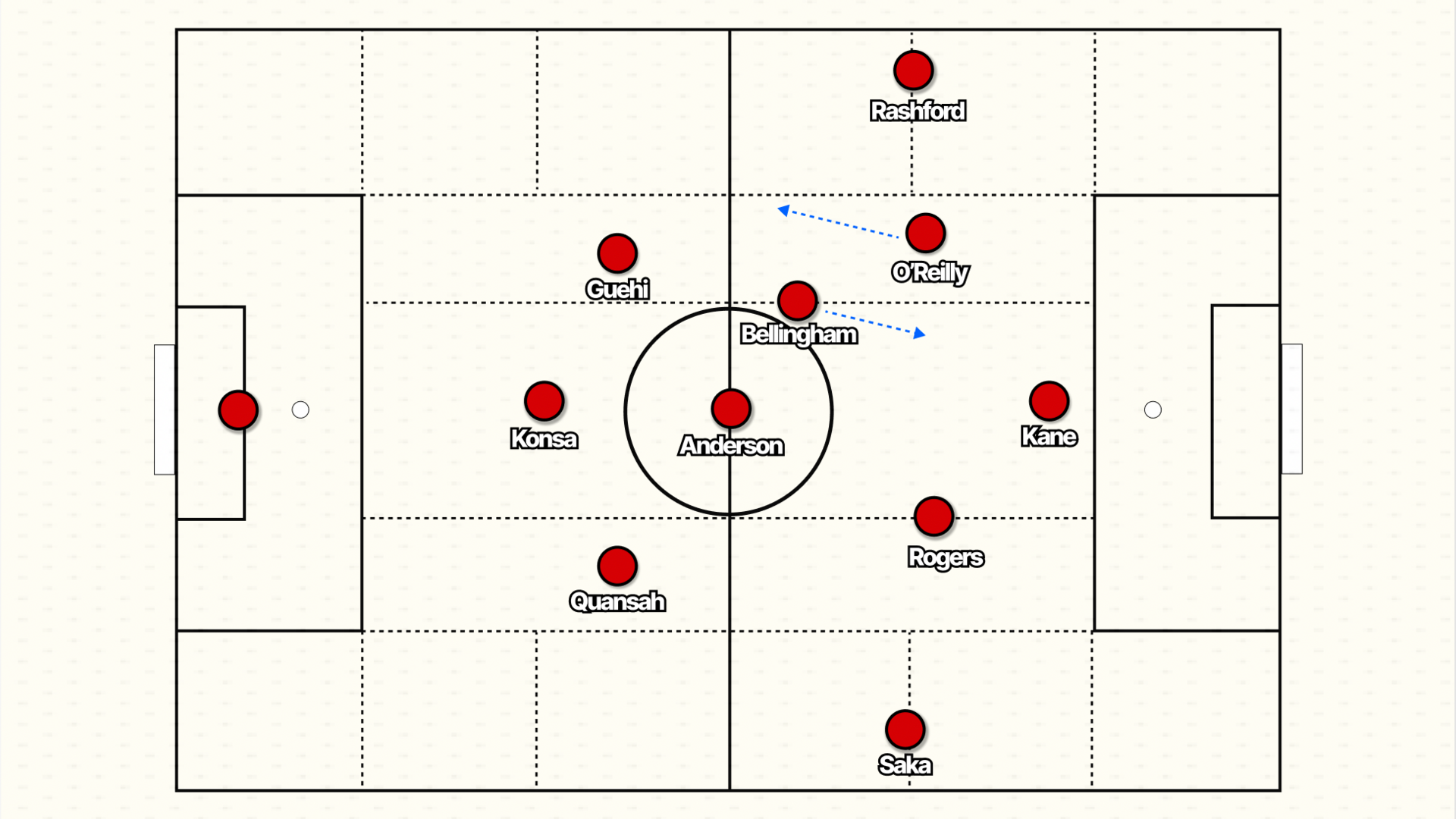
In possession phases Bellingham acts as a connector between defence and attack. He makes progressive carries, plays vertical passes into the final third and uses quick combinations to unpeg defensive blocks. Out of possession he fits into pressing patterns: occupying lanes, initiating counter‑press triggers and covering half‑spaces when full‑backs push high.
That mix allows Tuchel to switch fluidly between control and directness in the same match. With Bellingham on the pitch England tend to show higher tempo and more direct verticality. Tuchel can ask teammates to alter roles: wingers tuck inside to open channels for overlapping full‑backs, and a midfield partner is sometimes asked to stay deeper to screen while Bellingham moves forward.
Stat lines back up the tactical read. In recent matches Bellingham ranks highly for progressive passes and progressive carries among England midfielders, and he contributes by increasing passing tempo and offering late runs into the penalty area. Those concrete impacts force opponents to adapt marking plans and defensive shapes, which in turn creates room for teammates.
Tuchel’s trust in Bellingham also reshapes selection beyond a single slot. The partner chosen alongside him must either provide defensive cover or mirror his forward movement. That ripple effect is why debate over a single starting place grows into a broader conversation about midfield composition.
Arguments against starting Bellingham often focused on very specific match-ups: teams that press aggressively high or sides that congest central channels may, on paper, ask for extra defensive presence. But supporters point out Bellingham’s high work‑rate and ability to relieve pressure through carries make him well suited even in those scenarios.
Match evidence has leaned the balance. When Bellingham starts, England have produced clearer transition moments and more frequent entries between defensive lines. Even in games where his statistical output was modest, his off‑ball movement created pockets for others to exploit, showing his value goes beyond individual numbers.
Defensively he helps by occupying passing lanes and pressing immediately after losses, making him part of turnover strategies rather than an isolated attacking option. That dual function — progression plus pressing — is why Tuchel describes him as integral to match plans rather than simply a creative luxury.
What comes next is largely about fine margins. Tuchel will likely keep Bellingham as a first‑choice option for games where England want control and forward momentum. For opponents who present unique tactical problems, Tuchel has shown he can shift personnel or formation to protect Bellingham while still exploiting his strengths.
Practical signs to watch are minutes management, the identity of his midfield partner and whether Tuchel moves to formations that compress opponent space or free Bellingham into higher zones. Pairing him with a disciplined defensive midfielder or using a narrower front three are two plausible tweaks that preserve Bellingham’s influence while reducing his exposure.
In short, Bellingham’s rise to a central role under Tuchel changes selection conversations from whether he should start to how the team should be shaped around him. That subtle shift — from optional to foundational — is an important tactical and selection milestone for England.
FAQ
Why is Jude Bellingham described as integral to Tuchel England plans?
Because he combines ball progression, goal threat and pressing in a single profile, letting Tuchel preserve balance while adding direct ways to break defensive lines.
Has Bellingham secured a guaranteed starting place under Thomas Tuchel?
He is a clear preferred starter in many matches, but selection still depends on opponent, context and minutes management—so not absolutely guaranteed in every game.
How does Bellingham change England’s tactical approach in big games?
He raises tempo through carries and vertical passes, provides late arrivals into the box for extra scoring options, and helps trigger pressing sequences—making England more dynamic and harder to pin down.
Source attribution: This analysis draws on reporting from BBC News – Top Stories, including the piece “How Bellingham became Tuchel’s most important player”. Read the original analysis at BBC News – Top Stories.