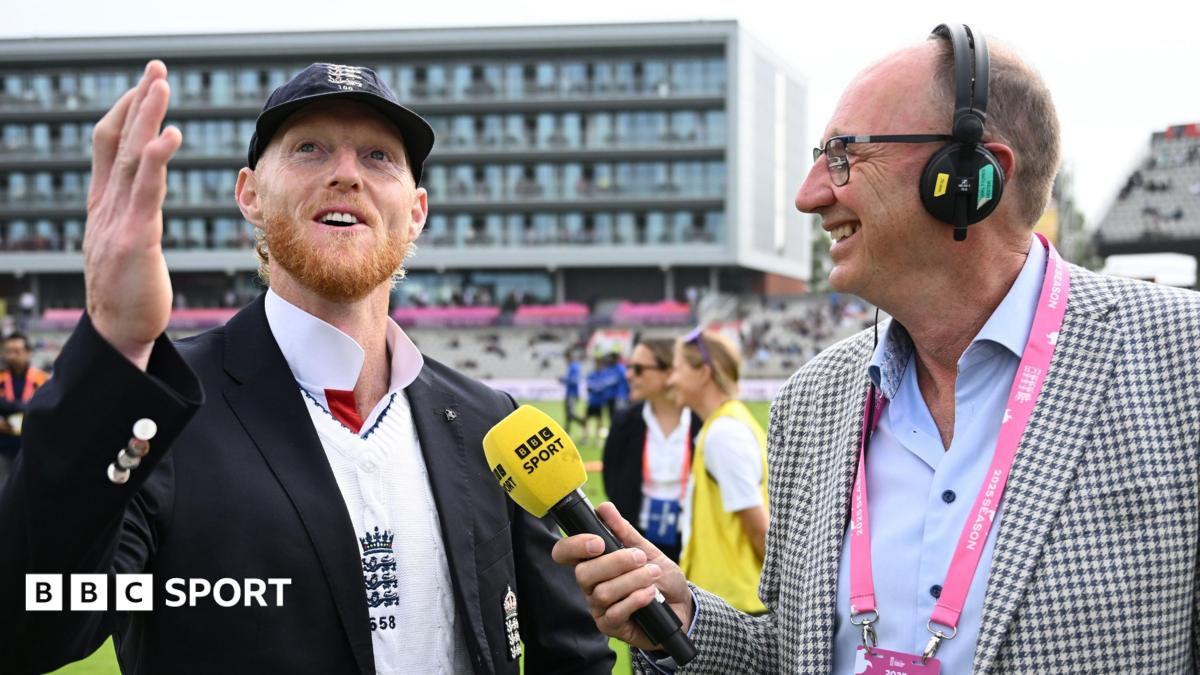
Ben Stokes retirement occurred during the third Test against New Zealand, when the England captain stepped away from his leadership role while play was still live. The move was reported by the BBC as unexpected and prompted immediate on-field adjustments and wider questions about England’s short-term leadership and selection plans.
Ben Stokes retirement during third Test
The decision came while the match was in progress. Broadcasters and live coverage described the moment as a shock to viewers and to many in the ground. There was no detailed public explanation given at the time; officials and team staff focused on ensuring the game continued smoothly and that match-day responsibilities were transferred.
In practical terms, Stokes relinquished the England captaincy mid-session. Match management procedures were followed to confirm who would act as captain for the rest of the day, allowing play to resume without procedural delay.
Match context and immediate impact
At the moment of the retirement, England and New Zealand were engaged in an active contest. The immediate priority for England’s players and coaching team was to maintain focus on tactics, scoreboard management and fielding arrangements while the leadership change was processed.
On-field consequences included reassigning duties such as bowling changes, field placings and formal communications with umpires. Those items are normally handled by the captain and his close support, so the mid-match change required rapid coordination between senior players and coaching staff to preserve continuity.
Broadcasters recorded the score and ball-by-ball action live; this report concentrates on the leadership change and its implications rather than the detailed play-by-play or final outcome of the session.
Jonathan Agnew on the exit
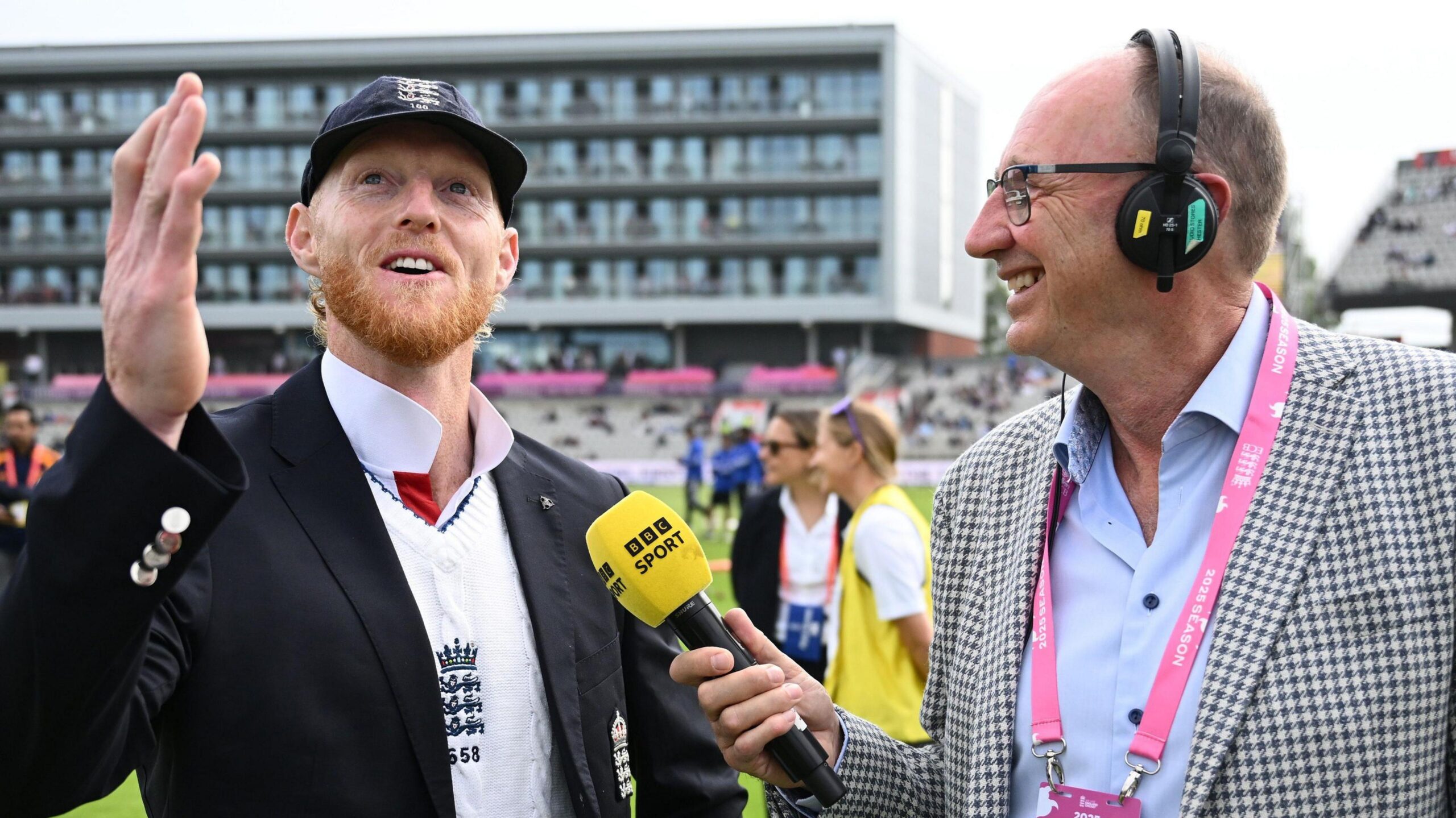
On BBC coverage, cricket commentator Jonathan Agnew described the move as “unconventional.” Agnew framed his commentary around the surprising timing of the decision and its rarity in Test cricket, noting the exit did not follow the typical pattern for captaincy changes.
Agnew’s comments were presented as analysis and reaction rather than reporting new factual details about Stokes’ motives. BBC commentary emphasised the unusual nature of a sitting captain stepping down during an active Test match.
What it means for England selection
The immediate selection task for England’s management is administrative and strategic: confirm who will lead on-field for the remainder of the match and determine how the broader squad should be managed in the coming days. Longer-term decisions about captaincy and any formal replacement will be matters for the national selectors and coaching hierarchy.
When selectors deliberate on interim or long-term options they typically consider a combination of factors, including:
- seniority and leadership experience within the squad;
- match fitness and availability for upcoming fixtures;
- how a change would affect team balance and roles during the series.
Media reporting and cricket commentators have highlighted practical questions for England: who will make in-game tactical calls, how responsibilities between captains and coaches will be divided, and whether the squad needs altering before the next Test. At the time of reporting, selectors had not issued a public position beyond naming an acting captain to finish the session.
What comes next
There are clear short-term steps England are likely to follow as they manage the immediate aftermath:
- Confirm the acting captain for the remainder of the Test and any formal role changes in the playing XI.
- Hold internal discussions among selectors and coaching staff about captaincy options and communication plans.
- Decide whether a public statement or formal review is needed to explain the circumstances to supporters and media.
Any formal selection or captaincy appointment for future matches will depend on those internal discussions and on any information released by Stokes or England management.
Background and known facts
Ben Stokes had been serving as England captain at the start of the third Test. The BBC reported the retirement and described it as a shock to listeners and viewers. Beyond commentary and live reporting, public details about Stokes’ reasons were not available at the time of the coverage; this article therefore avoids attributing motive.
Historically, captaincy changes mid-match are rare in Test cricket, which contributed to the strong reaction from broadcasters and supporters. Commentators focussed on the timing and the immediate logistical implications rather than on any asserted personal reasoning.
Source and next updates
This report is based on BBC coverage and on-air commentary. The BBC’s reporting framed the exit as unexpected and included commentary from Jonathan Agnew describing the action as “unconventional.” No detailed public explanation for the decision had been provided when this article was compiled.
We will update this story as official statements, team releases or further reporting become available. For immediate follow-up, look for official England communications and BBC updates on the match for confirmation of selection and captaincy decisions.
Source: BBC News – Top Stories. Original reporting and commentary: Agnew: Ben Stoke’s exit is unconventional — BBC.