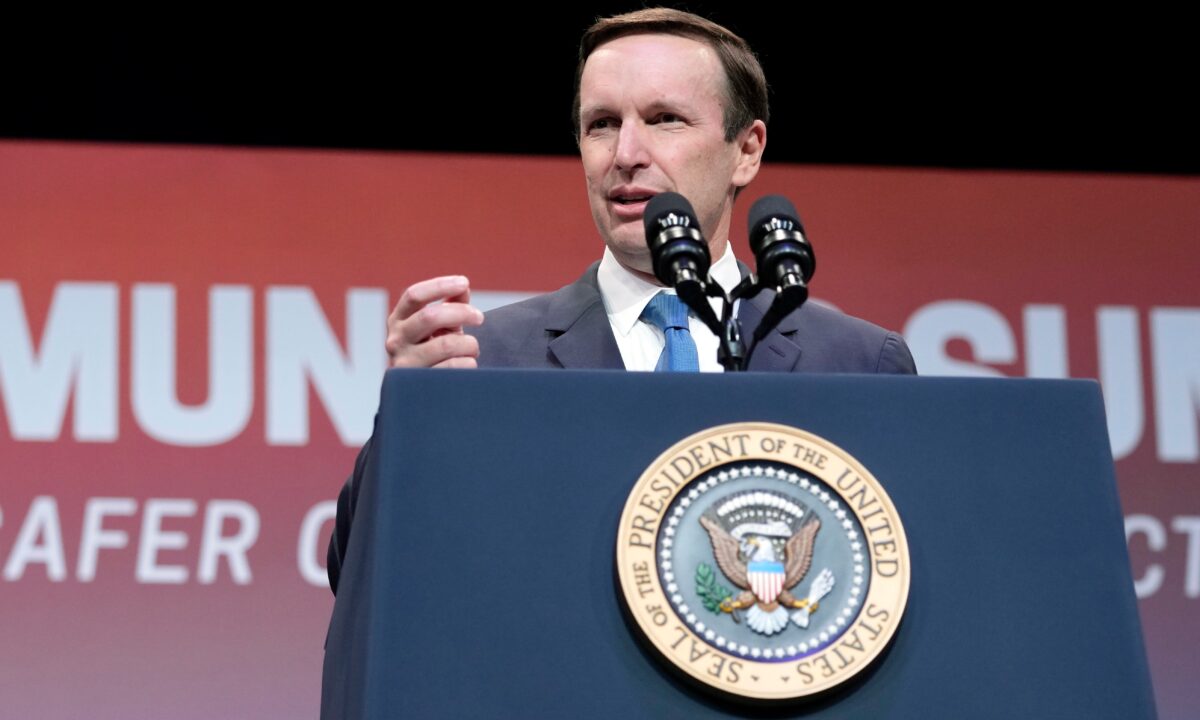
Sen. Chris Murphy said on NBC’s Meet the Press he was “not super familiar” with Darializa Avila Chevalier’s race, and used the exchange with host Ryan Nobles to press for a broader Democratic tent rather than to defend or condemn the New York nominee. Murphy opened by saying the party should allow a “real contest of ideas,” arguing voters want distinct choices and stronger responses to corporate power — not simply rebranded establishment politics.
The interview turned to a new attack ad from Rep. Adriano Espaillat. Nobles played elements of the ad, and Murphy repeatedly framed the moment as part of a larger debate about the direction of the Democratic Party rather than as an endorsement of any single nominee’s tactics or history.
What Chris Murphy said on Meet the Press
On Meet the Press, Murphy emphasized pluralism and the strategic value of allowing different voices to compete. He said he was “not super familiar” with the specifics of the Chevalier race when pressed, and described the party’s task as creating space for debate that can connect with voters who feel disaffected by both major parties.
Murphy argued that opening up a big tent helps surface policy contrasts and energize voters who want clearer alternatives to current approaches. He also rejected the notion that Democrats should simply lean into a socialist label, saying “no” when asked if the party should embrace socialism as its primary identity, while urging bolder proposals to tackle corporate influence and economic inequality.
The ad and the claims about Chevalier
The Espaillat ad shown on Meet the Press focused on deleted social media posts attributed to Darializa Avila Chevalier. According to the ad — and as described in coverage of the interview — those posts included criticism of President Joe Biden, disparaging remarks about former Vice President Kamala Harris, commentary on interracial relationships and what the ad termed an “anti-American swipe” at the U.S. flag.
Those allegations come from the attack ad and are presented there as excerpts of deleted material. Because the statements were sourced to a political opponent’s advertisement and to social posts that the ad says were removed, they should be treated as contested political claims rather than established fact. The interview and the reporting cited the ad’s allegations but did not present primary-source corroboration of every claim.
Why Murphy argues for a bigger tent
Murphy framed the big tent argument as both normative and tactical. Normatively, he positioned pluralism as central to a Democratic Party that must reflect diverse constituencies and ideas. Tactically, he suggested that letting candidates compete on policy could sharpen differences with Republicans and give voters clearer reasons to turn out.
He also cautioned that the party must continue to defend democratic institutions as a core, unifying priority. In Murphy’s telling, accommodating a range of perspectives is compatible with drawing lines against threats to democratic norms; it does not mean abandoning a common defense of the electoral system and civil liberties.
What this means for Democratic messaging
The exchange highlights a recurring strategic dilemma: when intra-party disputes surface controversial or unverified allegations, national leaders must decide whether to intervene quickly to limit fallout or allow debates to play out and let voters decide. Each choice brings trade-offs for persuasion, turnout and media coverage.
If party leaders move rapidly to disavow nominees based on contested claims, they risk alienating parts of the base and fueling narratives about establishment overreach. If they stay silent while attack ads circulate, they risk appearing indifferent to allegations that opponents will amplify. Murphy’s stance — urging a big tent while rejecting socialist branding — attempts to thread that needle by encouraging debate without normalizing threats to democratic norms.
Practically, this means national and state Democrats may calibrate endorsements, messaging discipline and rapid-response efforts case by case. They will consider how controversies affect fundraising, volunteer enthusiasm and coalition-building in competitive districts, while balancing the short-term political calculus with longer-term positioning heading into general elections.
Source notes and verification caveats
This account is based on Murphy’s interview on NBC’s Meet the Press and on reporting by Fox News that described the Espaillat ad and the posts it highlighted. The assertions about deleted social posts originate in the Espaillat attack ad and were recounted in the coverage of the interview.
Verification caveat: the ad’s allegations about Darializa Avila Chevalier’s social media posts have not been independently corroborated in the public reporting cited during the interview. Readers should regard those items as disputed political claims unless confirmed by primary-source evidence or additional reporting. Murphy’s comments in the interview reflect his perspective on party strategy and should be read as political commentary rather than adjudicated fact.
Source: Fox News. Interview excerpts were drawn from NBC’s Meet the Press coverage cited in that report.
FAQ
Who is Darializa Avila Chevalier and what are the allegations?
Darializa Avila Chevalier is a New York Democratic congressional nominee referenced in the Espaillat attack ad. The ad alleges she made controversial social media posts criticizing President Biden and others and contained disparaging remarks; those allegations come from the ad and involve deleted posts, so they remain unverified in the independent reporting cited during the interview.
What did Chris Murphy say about the ad and the socialist label?
Murphy said he was “not super familiar” with the specific race when asked on Meet the Press, and used the moment to argue for a “big tent” Democratic approach and a broader contest of ideas. He said Democrats should not lean into the socialist label but should pursue bolder ideas and challenge corporate power.
How might this dispute affect Democratic messaging in New York?
The dispute may amplify debates over the party’s direction, forcing national and local Democrats to decide whether to quickly neutralize controversies or let intra-party debates define differences. Either choice can influence voter perception, turnout and the party’s broader messaging priorities.