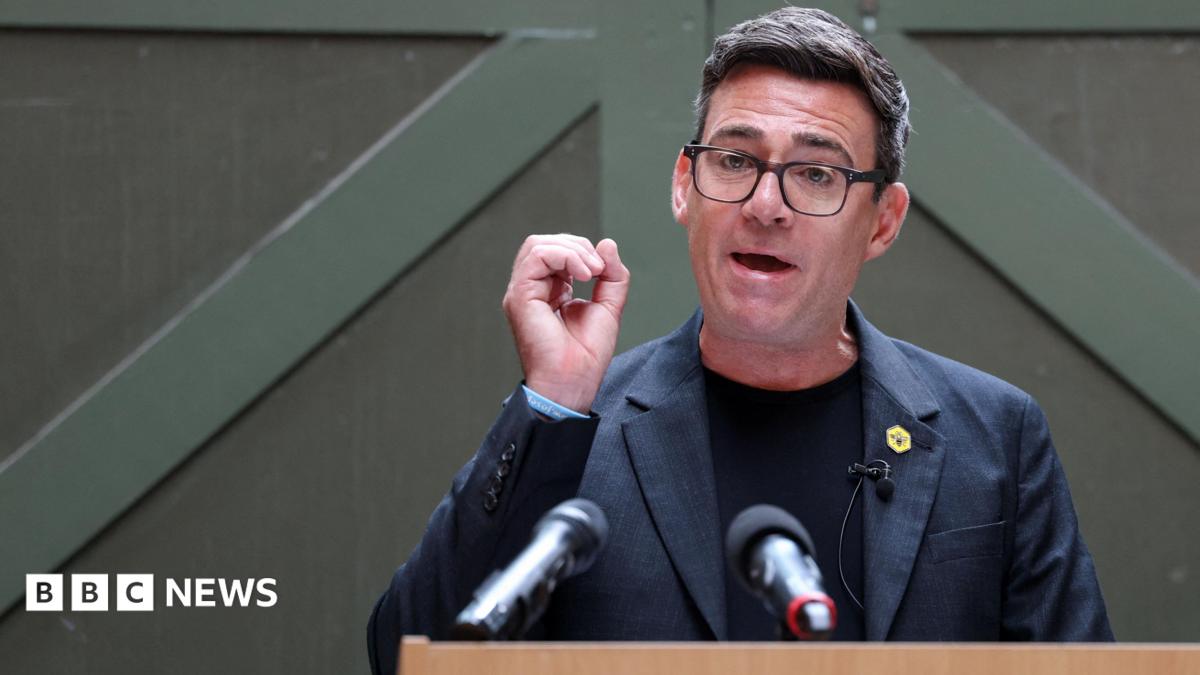
Andy Burnham has unveiled a “No 10 North” devolution proposal that he says will rebalance power across Britain and “drive good growth in every postcode”. The pledge comes as the man described by the reporting outlet as “the man most likely to be the next prime minister” sets out how regional decision-making could be reshaped.
Burnham frames the proposal as a practical route to more evenly distributed growth rather than a purely symbolic gesture. He presents No 10 North as a package of institutional changes, relocation of some government focus and targeted investment designed to empower regional and local leaders.
What is No 10 North?
No 10 North is a devolution concept intended to locate a stronger centre of government functions and political focus outside London. The phrase is being used to describe a package of powers, new institutions and investment aimed at giving cities and regions more control over local priorities.
In outline, the model would include moving some decision-making closer to regions, creating regional hubs for civil service roles and policy coordination, and tailoring national programmes so they can be delivered in different ways by local bodies.
Burnham’s stated goals
Burnham has said the core objective is to “drive good growth in every postcode”. That line is central to his pitch: using devolution to level up opportunity and economic performance across towns and cities rather than concentrating benefits in the capital.
The reporting describes Burnham as “the man most likely to be the next prime minister,” a characterisation attributed to the source. His stated goals combine institutional change with targeted investment aimed at boosting jobs, skills and local services.
How the plan would rebalance power
The proposal aims to rebalance power by transferring levers of decision-making from central Whitehall departments to regional authorities. That could mean devolving control over spending priorities, transport planning, business support and training budgets so local leaders can set strategies that reflect place-specific needs.
Mechanisms discussed include moving some civil service roles to regional hubs, establishing clearer lines for budgets to follow powers, and creating statutory arrangements for local accountability. The idea is that centrally designed programmes would give way to locally tailored strategies that can respond faster to economic shifts and local demand.
Rebalancing power also raises questions about oversight: devolved decisions would need transparent accountability, consistent standards where necessary, and mechanisms to resolve disputes between local and central government.
Who could benefit and local impact
Areas with established local institutions and delivery capacity are most likely to gain early advantages. Local leaders who can coordinate investment, secure matched funding and set clear growth plans may be able to accelerate infrastructure, skills and business support in their places.
Burnham’s emphasis on growth by postcode signals a focus on hyper-local outcomes: improving transport links, boosting local training schemes and tailoring business support to the needs of communities that have lagged behind. The approach is aimed at lifting outcomes not just at city-region scale but in neighbourhoods and towns that often miss out on national programmes.
However, there are risks. Where local institutions lack capacity or resources, extra powers without matched funding could widen disparities. The success of place-based policy often depends on consistent long-term investment, effective governance and the ability to evaluate what works at a local level.
Limits, scrutiny and what comes next
Key promises in the proposal have not been independently verified. Claims that the plan will fully “rebalance power” and deliver uniform growth across postcodes depend on detailed policy designs that have not yet been published or tested in legislation.
Political hurdles remain significant. Any substantial transfer of authority requires parliamentary approval, cooperation from Whitehall departments and likely changes to budgets and statutory responsibilities. There may be resistance over costs, civil service relocation, and concerns about how national standards and equalities will be maintained.
What comes next is a period of policy development and scrutiny. Ministers and civil servants would need to map which functions move, how budgets follow powers, and how local bodies are held to account. Parliamentary debate, consultations with local authorities and pilot arrangements would be expected before any formal rollout can proceed.
Timelines are uncertain. Implementation would depend on legislative steps, funding settlements and the practicalities of relocating roles or creating regional hubs — all of which take time to design and deliver.
Key takeaways
No 10 North is presented as a structural shift intended to give regions more control and aim for growth across postcodes rather than concentrating power in London. It is framed as a practical plan to enable place-based growth.
The plan’s potential depends on funding, local capacity and the precise legal arrangements for transferring powers. Without matched resources and clear accountability, outcomes could be uneven.
Claims that it will entirely rebalance power or guarantee growth in every area remain promises that require independent scrutiny, detailed policy design and concrete legislative steps.
Frequently asked questions
What is the No 10 North plan?
No 10 North is a devolution proposal to move more decision-making and resources to regional and local authorities, with the stated aim of boosting local economies and rebalancing power away from London.
Would No 10 North shift power away from London?
The plan is pitched to rebalance power by transferring certain powers and budgets to regions. How much authority actually moves would depend on the detailed design and legal changes that follow.
When could the plan be implemented if adopted?
Implementation timelines would depend on parliamentary approval, negotiation with Whitehall departments and the setup of local delivery arrangements. No firm timetable has been published in the initial reporting.
Source and attribution
This article is based on reporting by BBC News, which records Burnham’s pledge to “drive good growth in every postcode” and describes him as “the man most likely to be the next prime minister.”
Source: BBC News — New “No 10 North” plan will rebalance power in Britain, Burnham promises.