Caitlin Clark has been at the center of a national conversation after several on-court incidents and a wave of commentary about race, media framing and player safety. In the overview below we summarize reported incidents, identify what the league and outlets have confirmed, analyze competing claims about race and media bias, and list the next steps reporters and fans should watch. Where possible this analysis cites reporting and labels unverified assertions as allegations.
What happened on and off the court
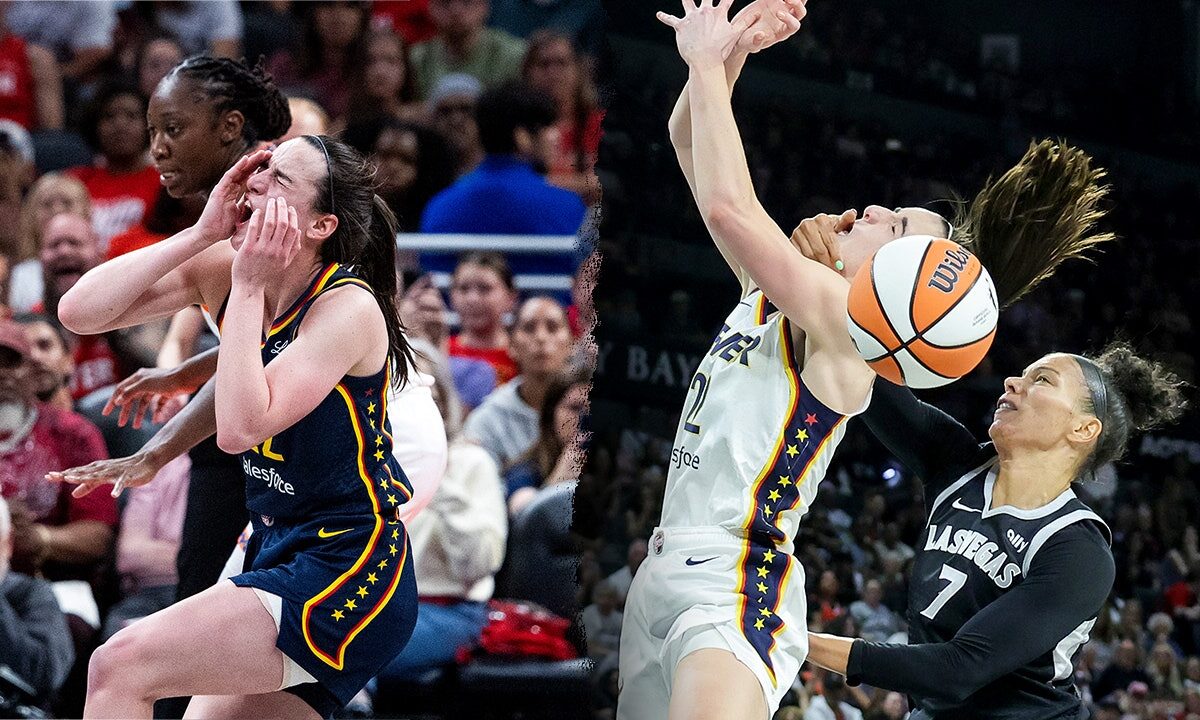
Several widely reported sequences involving Caitlin Clark have driven the debate. Reporting links these plays and public comments but does not settle motive.
– Chennedy Carter hip check: Video clips circulated after an in-game blindside hip check on Clark by Chennedy Carter. Carter later posted on social media a message that some interpreted as encouraging future physicality; those social posts are part of the public record and have been widely shared by outlets.
– DiJonai Carrington eye contact: In playoff coverage viewers and Clark herself said she was poked in the eye during a matchup involving DiJonai Carrington; the sequence and ensuing social-media posts generated scrutiny and debate over intent.
– Angel Reese taunt and fouls: Angel Reese used a “You can’t see me” gesture during an NCAA matchup with Clark in earlier competition; Reese has also been involved in hard-contact plays since, which commentators frequently cite as part of the rivalry narrative.
– Alyssa Thomas neck contact and suspension: In a recent WNBA contest, Phoenix Mercury forward Alyssa Thomas struck Clark in the neck area during a physical sequence. The play drew immediate viewer outrage and, after league review, the WNBA suspended Thomas for one game. That suspension is a documented disciplinary outcome reported by multiple outlets.
Each of these items appears in the public record as either video evidence, league discipline (in Thomas’ case), or social-media posts. Motive and context — whether individual malice, aggressive defense, or part of heated rivalry — remain contested and often inferred from behavior, commentary and social posts.
How race and the media shaped Caitlin Clark coverage
Coverage quickly shifted from play-by-play to questions about race, gender, and media framing. Some commentators and columnists have argued that race and sexuality affect the tone and intensity of coverage around Clark. For example, Jemele Hill has publicly suggested identity factors influence the conversation around high-profile athletes, and other commentators have made similar points in opinion pieces and on-air segments.
At the same time, critics of that framing emphasize Clark’s on-court style, shot-making and personality as primary drivers of attention. This counterargument stresses that stardom in American sports typically combines performance with marketable persona, and it cautions against reducing coverage solely to identity-based explanations.
ESPN and other commentators have weighed in at various points: some argued Clark could use her platform to comment on broader league issues, while others said placing that expectation on a rising star conflates sport and civic duty. Clark herself has acknowledged broader societal discussions about privilege in interviews, but public statements and interviews show she has also bristled at hostile treatment on and off the court. When commentators or pundits assert motive (racial or otherwise), those claims are often opinion-based and should be labeled accordingly.
Official responses and what the public record shows
The WNBA’s publicly reported actions and statements form the clearest primary sources available. The league issued a one-game suspension for Alyssa Thomas after reviewing the neck contact; that is a confirmed disciplinary action reported by league-facing outlets. In other cases, the WNBA told reporters it could not substantiate a specific allegation that fans made “monkey noises” in one publicized instance — a limitation the league disclosed when asked about that particular claim.
Broadcasters and teams were asked for comment in several instances; some on-air personalities and team representatives issued statements or explanations, while other requests for comment went unanswered. For example, reporting shows OutKick/Fox News requested comment from broadcaster Chiney Ogwumike and host Hannah Storm about a defensive segment; the outlet reported no response from those parties at the time of publication.
Where claims involve alleged fan misconduct or inferred intent, the public record currently contains: verified disciplinary action (player suspension), documented video of in-game contact, social-media posts from involved players, and statements or non-responses from the league and broadcasters. Allegations about motive or crowd behavior that the WNBA could not substantiate should be labeled as unverified without further evidence.
Why this matters for the WNBA
The stakes go beyond headline disputes. First, player safety: hard contact to the head, neck or vulnerable areas raises medical and disciplinary concerns that the league must address consistently. Second, league growth: how the media and fans frame incidents influences public perception, broadcast narratives and sponsor comfort with association. Third, locker-room culture and fan behavior: persistent narratives that center identity can affect relationships among players and the tone of crowd interactions at arenas.
Consistent, transparent league processes for review and clear communication about what was and was not verified help protect competitive integrity and public trust.
What to watch next
- Formal league reviews and appeals: Watch for any official WNBA follow-up statements, disciplinary bulletins or the release of review footage tied to suspended players.
- Broadcaster clarifications: Networks that aired contested commentary may publish clarifications or responses to requests for comment; those replies will shift the media conversation.
- Player and coach statements: Additional on-the-record responses from players, coaches and team officials will provide clearer primary-source context and may affect public interpretation.
- Media coverage trends: Monitor whether coverage centers on play-by-play analysis and officiating, or continues to foreground race and identity questions; that framing will influence public sentiment and stakeholder reactions.
Source attribution and next steps for reporters
Primary sources and reporting for this analysis include game video, league disciplinary outcomes and contemporary reporting. For follow-up reporting, seek the WNBA’s official disciplinary notices and team statements, recorded game review footage when available, and direct on-the-record interviews with involved players and team officials.
Key sources cited in this piece:
- OutKick/Fox News analysis and reporting: Let’s have an honest conversation about Caitlin Clark, racism, and media cowardice — OutKick/Fox News
- WNBA official site for league announcements and disciplinary bulletins: WNBA.com (see news/press release sections for official notices)
Reporting note: this analysis distinguishes confirmed facts (documented suspension, game video, documented social posts) from allegations (claims about crowd intent or unverified motives). Reporters should corroborate crowd-behavior claims with recorded audio/video, ticketing or arena security logs and seek direct comment from the WNBA and teams before treating such claims as verified.