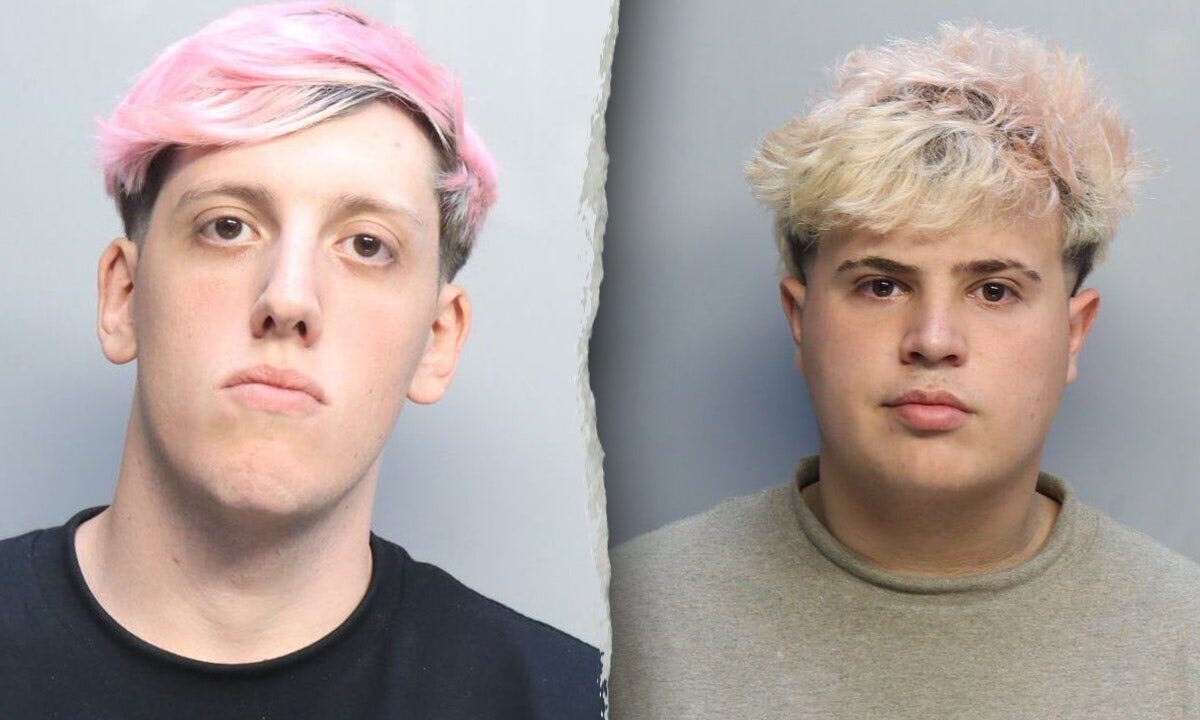
Argentine YouTubers arrested at Hard Rock Stadium after the Colombia-Portugal World Cup match remain under criminal charges following an investigation that alleges they entered restricted areas using credentials not valid for the event. According to the Miami-Dade County Sheriff’s Office and an arrest affidavit reviewed by reporters, the two creators were stopped by stadium staff and deputies after moving through secured zones.
Officials identified the men as Pato Perrotta, 26, and Beni Marmol, 20. Both are Argentine social-media creators with sizable followings on YouTube; law enforcement and the arrest affidavit say the men were attempting to film or stream at the match when they were intercepted.
Argentine YouTubers arrested: what happened
The arrest affidavit, as described by Miami-Dade deputies and reported by Fox News, alleges that Perrotta and Marmol were detained Saturday after the Colombia-Portugal game at Hard Rock Stadium. Deputies wrote that the pair presented credentials that were not authorized for the World Cup match and moved into controlled areas before stadium personnel and law enforcement intervened.
The affidavit frames the account as allegations: it states the defendants “presented credentials not valid for the event” and that they entered restricted sections of the stadium. Those statements come from the arrest paperwork and are part of an ongoing investigation; the defendants are presumed innocent unless and until proven guilty in court.
How they allegedly bypassed stadium security
According to the affidavit and Miami-Dade deputies, the men allegedly bypassed multiple security checkpoints. Deputies wrote that the pair penetrated “three layers of security” to reach areas reserved for accredited personnel. The affidavit describes the credentials used as having been issued for a previous event and not valid for the World Cup match.
Investigators did not provide detailed technical information about how the credentials were obtained, copied or presented. The affidavit presents those points as allegations and investigators noted the matter remains under review as they attempt to determine the origin and authenticity of the badges and passes used.
Charges, bond and current legal status
Perrotta and Marmol were charged with felony interference with a sports or entertainment event, according to the arrest paperwork and Miami-Dade County Sheriff’s Office statements. The charge, as cited in the affidavit and news reports, carries a statutory maximum of up to five years in prison under state law if convicted.
The affidavit includes direct language attributed to the defendants about their stated reasons for being in credentialed areas. It quotes one entry as, “Hired by a media company to review the event and has credentials,” and another line stating the subject “was a media influencer trying to get in to stream the game.” Those passages are presented in the affidavit as the suspects’ own statements, per the file reviewed by reporters.
Both men were booked into a local jail and listed with a $2,500 bond. Public records show bail was set by the court; according to reporting, bail was posted and efforts were made to secure their release. Streamer Momo Benavides, appearing on a live video referenced in reports, relayed comments attributed to the creators’ manager: “We already paid bail, they will be released in a few hours. The cause is still not entirely clear. The judge just set bail and nothing more,” Benavides said.
Miami-Dade deputies and court records indicate the legal process remains active. Prosecutors must decide whether to pursue the felony charge as filed; defense lawyers may contest elements of the affidavit or negotiate resolutions, including potential plea agreements or lesser charges. At this stage, the statements in the affidavit are allegations that will be tested in court.
Why it matters for event security and influencers
The incident underscores the interaction between credential systems and physical security at major events such as World Cup matches. Organizers rely on layered access controls—passes, credential checks and physical checkpoints—to protect athletes, broadcasters and fans. Alleged breaches of those systems can prompt immediate reviews of procedures and credential issuance.
For content creators and influencers, the case highlights legal and reputational risks when attempting to access restricted areas without verified authorization. Even if parties assert they were there for coverage or review, venues typically require preapproved media credentials; entering restricted zones with invalid or misused credentials can lead to criminal charges, as alleged in this case.
What comes next
Standard criminal-process steps are expected to follow: the defendants will appear before a judge, face arraignment, and then pretrial procedures where prosecutors and defense counsel exchange evidence and file motions. The affidavit and the Miami-Dade County Sheriff’s Office statements will be part of the prosecution’s initial record, while defense attorneys may challenge factual claims or the admissibility of certain evidence.
Officials say the defendants are not being deported and will remain in the U.S. while the case proceeds. If convicted of the felony interference charge as filed, the potential statutory penalty cited in reporting and the affidavit is up to five years in prison, though actual sentences depend on plea deals, mitigating factors and judicial discretion.
Readers following the case should consult official Miami-Dade County Sheriff’s Office records and court filings for the most reliable updates. The arrest affidavit and sheriff’s statements are the primary sources for the allegations described here; the account above attributes claims to those public records and to reporting by Fox News.
Source: Fox News; arrest affidavit and Miami-Dade County Sheriff’s Office statements.