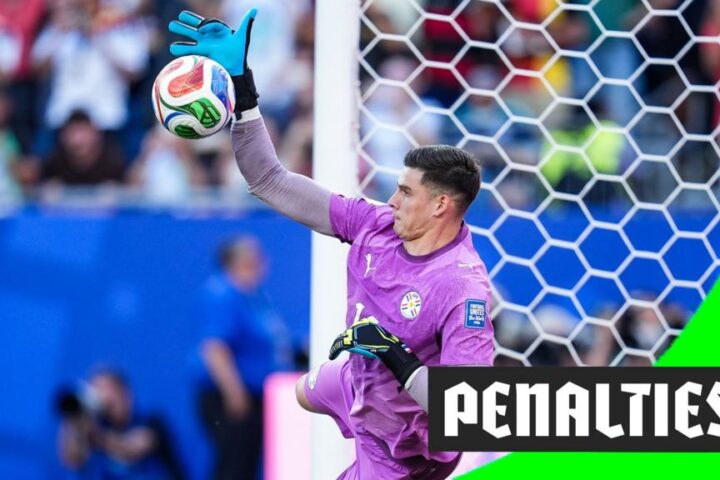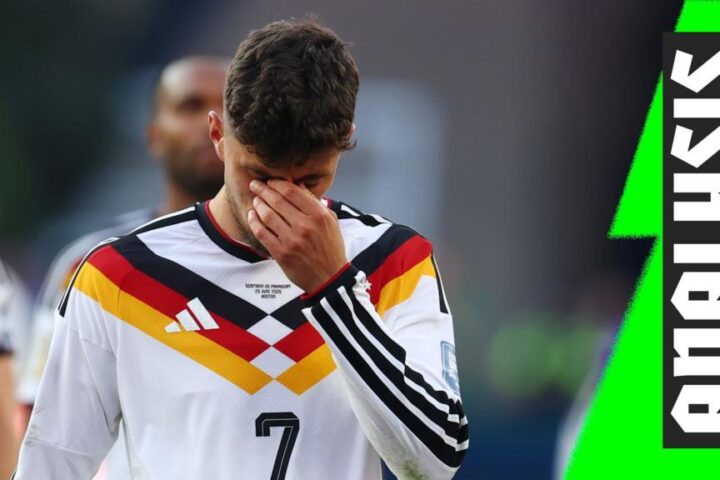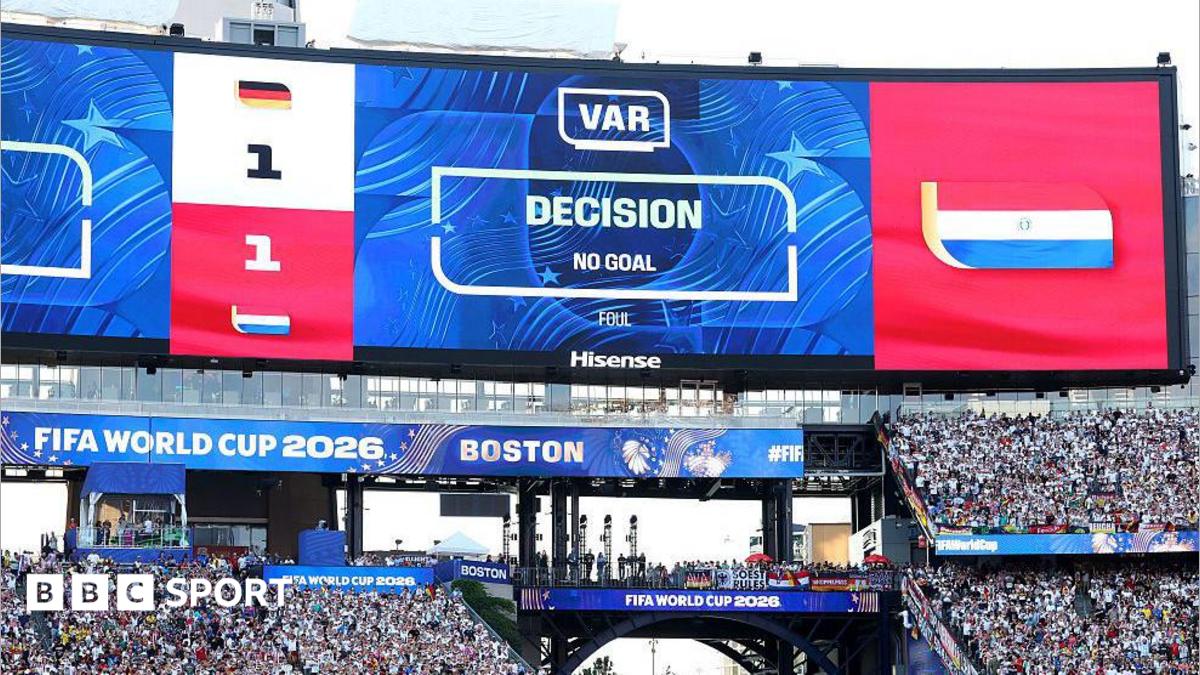
Germany saw a would-be winner wiped out by a VAR disallowed goal late in the match, and the game ultimately went to penalties where Paraguay prevailed. The overturn — the VAR disallowed goal that denied Germany what appeared to be a decisive finish — became the focal point of immediate post-match coverage and fierce pundit reaction.
Match snapshot
The match finished level in normal time and was decided by a penalty shootout after a late goal for Germany was overturned following a VAR review. That ruling left players, coaching staff and supporters stunned and ensured the penalty contest would decide who progressed.
Broadcasters immediately replayed the incident from multiple angles, while commentators and former players debated whether the available footage met the threshold required to overturn an on-field decision. With the match delicately poised, the disallowed goal shifted momentum and narrative, making the subsequent penalty shootout the decisive moment of the tie.

Pundits react to VAR disallowed goal
High-profile pundits reacted strongly on live coverage. Alan Shearer used blunt language, describing the decision as “a joke” and questioning how such a pivotal call could be handled in that way. Jurgen Klopp — speaking as a pundit in post-match commentary — called the call “terrible,” emphasising how the reversal changed the outcome for Germany.
Other commentators joined the criticism in shorter, pointed remarks. Pat Nevin and Darren Cann expressed shock and disappointment at the overturn, arguing the footage did not appear to provide the conclusive evidence necessary to rule out the goal. Across panels, the tone was one of frustration that a narrow interpretation of the rules decided a match that otherwise seemed headed for a different result.
Those reactions focused on the human and emotional cost: players who celebrated a goal seconds earlier were forced to digest a reversal, while fans in the stadium and watching at home saw a key moment removed from the scoreboard. Pundits repeatedly returned to the sense that the incident represented a broader issue with how VAR is applied in critical moments.
How the VAR decision unfolded
The VAR sequence followed the commonly used pattern: the VAR team flagged the incident, contacted the on-field referee, and a pitchside review was conducted before the final verdict was given. Television coverage showed the steps in quick succession, but debate centred on whether the available camera angles and interpretations met the “clear and obvious error” standard that VAR protocols typically require to overturn decisions.
Supporters of the decision have pointed out that referees must apply the laws of the game as written and use all available evidence. Opponents argued that the angles shown did not remove reasonable doubt and that overturning a goal at such a late stage demanded a higher degree of certainty. The pundit debate touched on both procedural questions — how VAR is instructed to operate — and philosophical issues about the spirit of the game versus strict rule application.
Importantly, while televised angles are persuasive for viewers, match officials rely on specific camera feeds and interpretation guidance. That difference — between what fans see and the evidence referees consider decisive — is at the heart of many VAR controversies and was a central theme in pundits’ critiques here.
Why it matters for Germany
The immediate sporting consequence is clear: Germany were eliminated after losing the penalty shootout, and the overturned goal is the single incident most commonly cited as the turning point. For players, staff and supporters, being knocked out in a match decided in this fashion compounds disappointment and raises questions about fairness at the highest level of competition.
Beyond the short term, the episode feeds into wider debates about the role of technology in football. Incidents like this tend to amplify calls for clearer VAR protocols, better communication to fans and greater transparency about the evidence used in key decisions. For a nation with high expectations, the loss will prompt reflection within the federation and among coaching staff about both on-field performance and the external factors that affected the result.
Looking ahead
For Germany, the immediate priorities will be internal review and recovery. Coaching staff will analyse the match, the circumstances around the disallowed goal and how the team responded to the reversal and the pressure of a shootout. Players will need time to process the elimination and regroup ahead of the next international fixtures.
What comes next: governing bodies and referee committees can expect renewed scrutiny and calls for action. Broadcasters and VAR units may be asked to provide clearer explanations of how decisions were reached, and there may be renewed discussion of whether adjustments to the review threshold or the presentation of evidence to fans are warranted.
For supporters and neutrals, the match will likely be remembered less for the quality of play and more for how a single VAR disallowed goal shaped the final outcome — and how that illustrates the fine line between technological assistance and the emotional unpredictability that makes football compelling and controversial in equal measure.
Source: BBC Sport