Venezuela earthquake: residents accuse government of negligence
The Venezuela earthquake left entire neighbourhoods reeling as two strong tremors hit on the same day, residents told BBC News, and many people said they were “left on your own” while trying to search for survivors and clear rubble. Eyewitnesses described delayed official help and said improvised local teams and neighbours were often the first responders. Those on the ground told BBC reporters they faced urgent needs for medical care, shelter and clean water as roads and buildings were damaged, and they accused authorities of negligence and apathy in the immediate aftermath.
These first-hand accounts have fuelled anger among affected communities and raised questions about preparedness and coordination of Venezuela’s emergency response. The scenes described to BBC News include collapsed walls, blocked streets and volunteers hauling debris by hand while waiting for organised relief.
What happened: Venezuela earthquake hits twice
BBC News reported that two strong tremors struck parts of Venezuela on the same day, causing damage to homes and infrastructure across multiple communities. Local residents said the quakes compounded one another, increasing the scale of destruction in older and poorly maintained buildings.
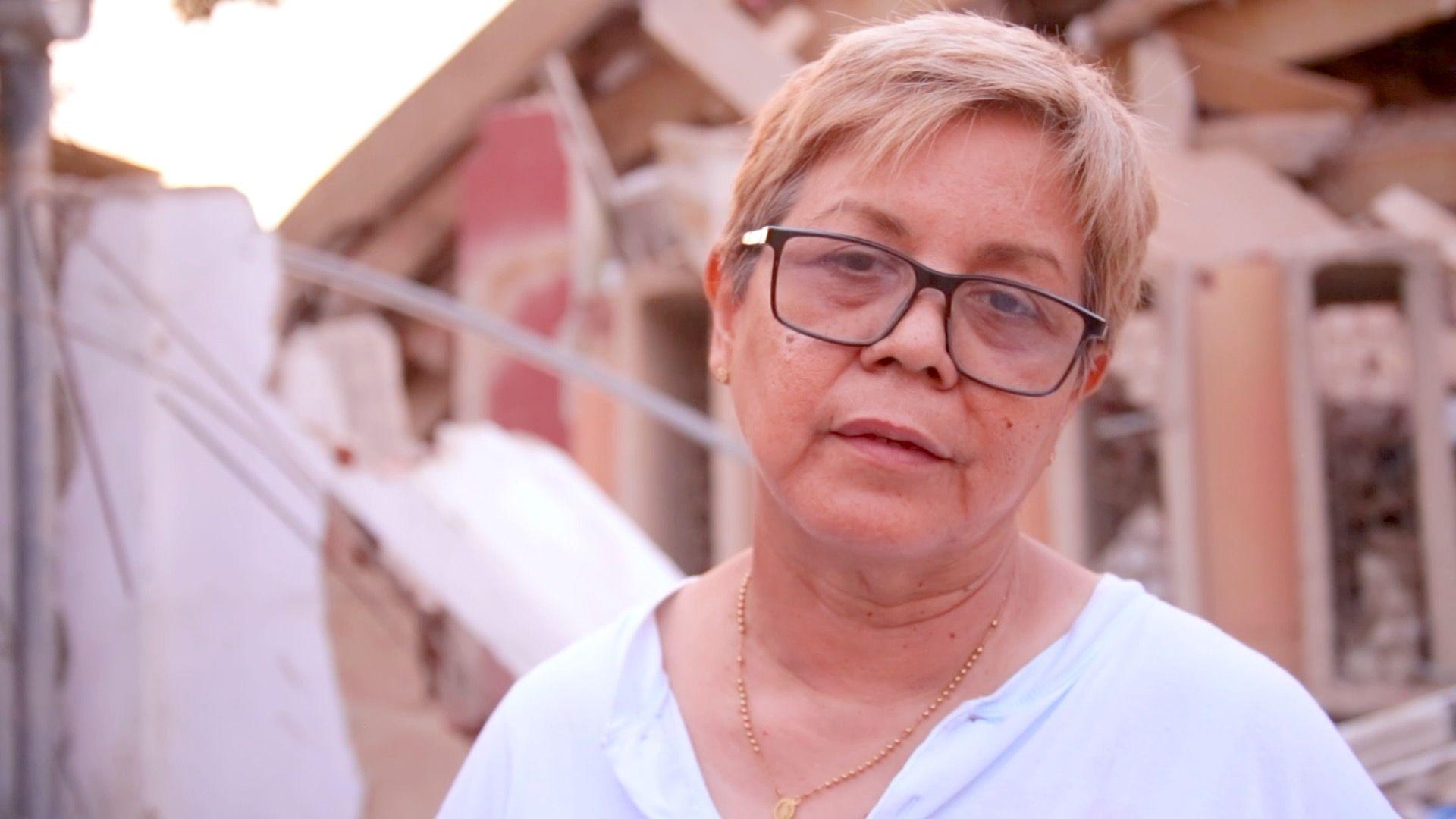
Immediate local response was led by neighbours, volunteer groups and small municipal teams while official casualty and damage figures were still being assembled. Journalists on site described streets littered with fallen masonry and vehicles impeded by rubble, which slowed the arrival of larger emergency vehicles in some places.
On the ground: residents describe needs
People spoken to by BBC News described urgent basic needs: medicine for the injured, safe temporary shelter, drinking water and help clearing dangerous debris. “We were left on our own,” one resident told BBC reporters, summarising the frustration shared across several affected towns.
Volunteers and families organised supply sharing and informal first aid, but they stressed these efforts could not replace an organised relief operation. In multiple neighbourhoods, access for ambulances and heavy equipment was limited because bridges and access roads were damaged or blocked.
Residents told BBC News that some local clinics were overwhelmed and that transporting seriously injured people to better-equipped hospitals was difficult because of blocked routes. Community leaders urged faster distribution of basic supplies and more medical teams on the ground.
Official response and reported gaps
The BBC report records accusations from residents that the Venezuelan government’s response was slow or insufficient, with some people describing an absence of timely government support in the hardest-hit zones. Journalists observed stretched municipal services and shortages of specialised rescue equipment in some locations.
Officials in past incidents have issued public statements about emergency measures; in this case, affected residents said that practical help — such as search-and-rescue teams, heavy-lift equipment and organised shelter — had not arrived quickly enough. Those on the ground reported reliance on neighbours and volunteers to move debris and reach trapped people.
Why it matters: humanitarian and political implications
Gaps in disaster relief prolong human suffering and can erode public trust in institutions tasked with emergency management. The shortages and delays reported to BBC News highlight immediate humanitarian needs — notably medical care, clean water, shelter and debris removal — that, if unmet, increase the risk of illness and injury after the initial shocks.
Beyond the humanitarian toll, perceived government negligence can have political consequences, fuelling public anger and scrutiny of emergency planning and infrastructure maintenance. International and local aid groups often step in when state resources are insufficient, but coordination challenges can slow assistance and leave communities relying on ad hoc support.
What comes next: what to watch and where to get updates
Authorities and humanitarian groups will likely publish fuller casualty and damage assessments as teams complete surveys; observers should watch for official statements from Venezuela’s emergency agencies and any announcements of additional relief shipments or international assistance. BBC News is reporting from the scene and is one source to follow for ongoing updates.
Key developments to monitor include the arrival of organised search-and-rescue teams, the opening of verified temporary shelters, release of consolidated casualty figures, and any appeals from recognised humanitarian organisations detailing how help can be given safely to affected communities.
Background: why some areas were vulnerable
BBC reporting indicates that older buildings and limited maintenance in some towns contributed to the scale of damage when the tremors struck. In areas with ageing infrastructure, twin shocks can cause partial collapses and secondary damage that worsen the initial impact and complicate rescue efforts.
Local residents and volunteers remain crucial in the immediate hours and days after the quakes, but both BBC journalists and community leaders emphasised that longer-term recovery will depend on coordinated aid, debris clearance and rebuilding support.
Frequently asked questions
What happened in the Venezuela earthquake?
Two earthquakes struck parts of Venezuela on the same day, causing damage to buildings and infrastructure. BBC News reported eyewitness accounts of collapsed walls, debris-filled streets and people conducting search-and-rescue efforts themselves.
Are there official casualty or damage figures yet?
At the time of BBC News reporting, comprehensive official casualty and damage figures had not been released. Officials and assessment teams are compiling figures and are expected to issue updates when surveys are complete.
How can people donate or offer aid?
The BBC article did not list specific donation channels. People wanting to help should wait for verified appeals from recognised humanitarian organisations or official relief agencies to ensure donations reach affected communities safely.
All factual reporting in this story about on-the-ground conditions and residents’ testimony is based on BBC News reporting. Source: BBC News — ‘Left on your own’: Angry Venezuelans accuse government of negligence and apathy.