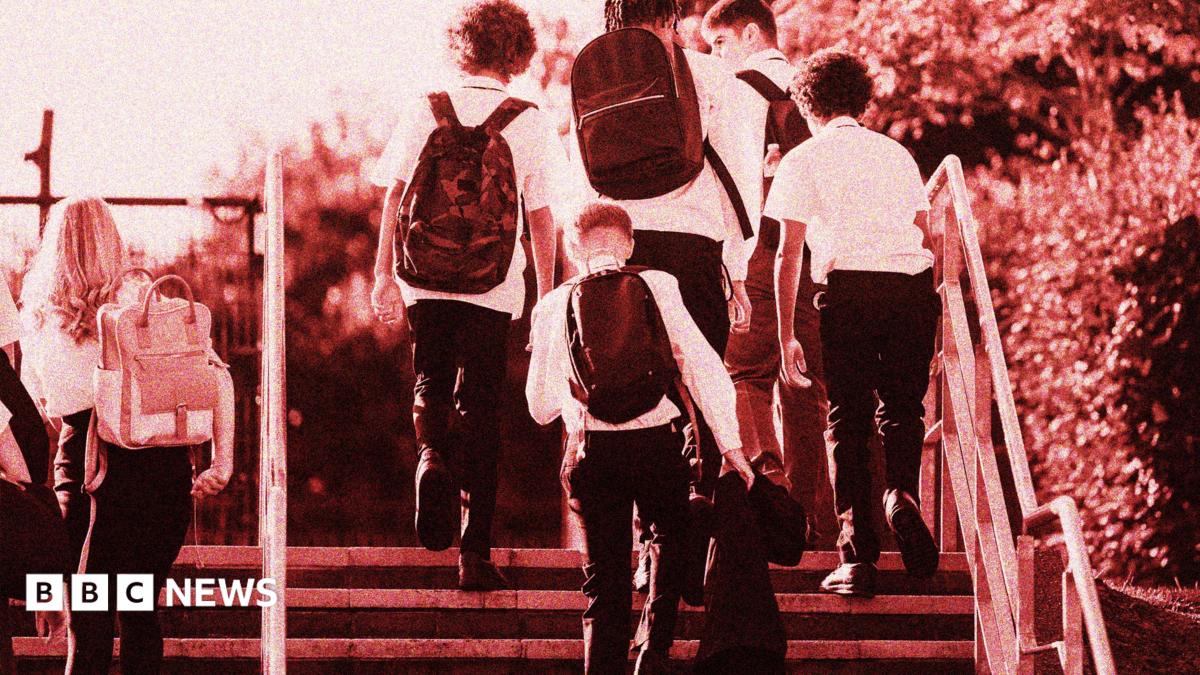
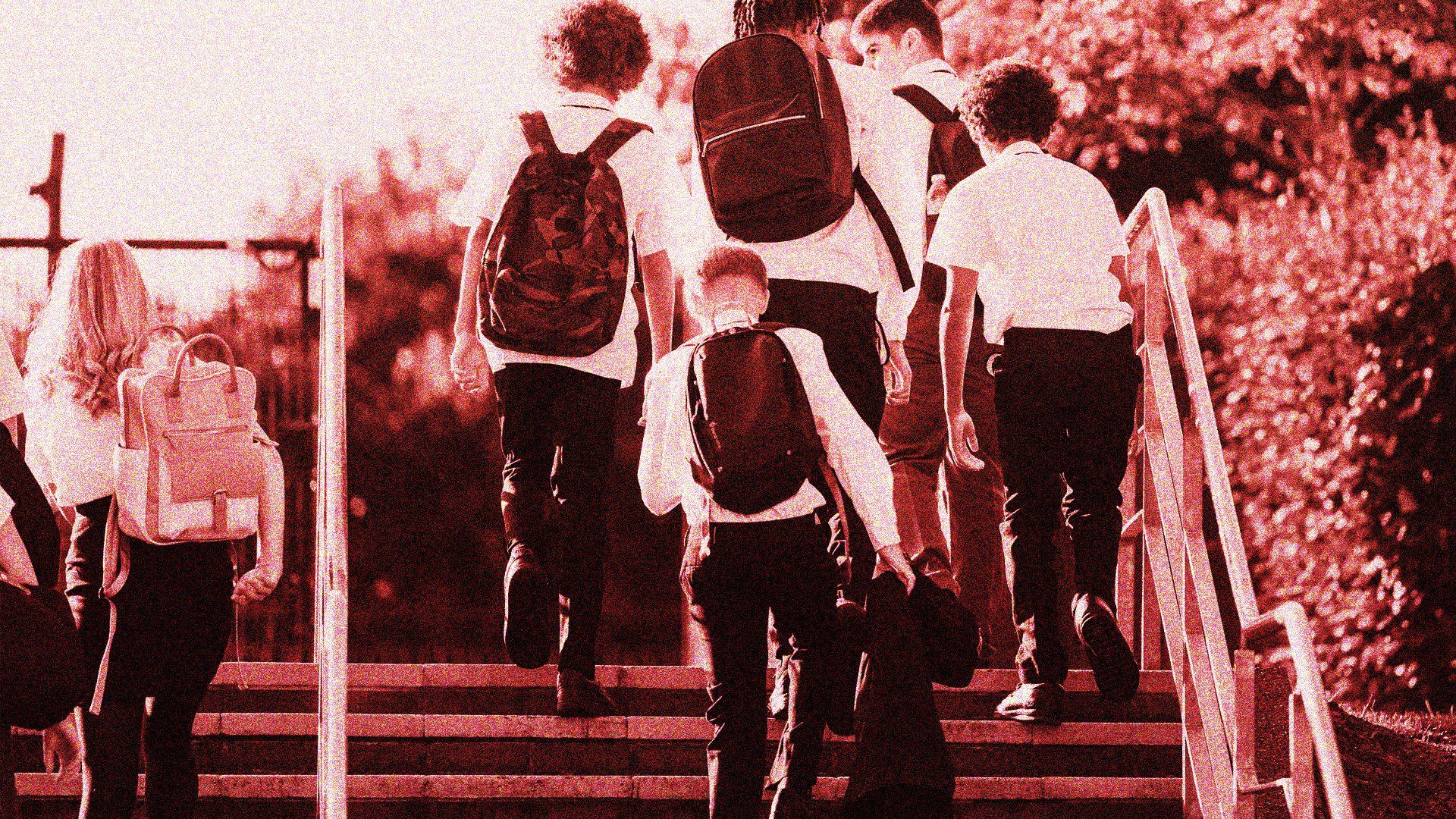
The BBC has reported that a pupil at a school in Yorkshire was kept in an isolation booth for more than half a school year, a claim that has drawn concern about strict discipline measures and pupil welfare. The report, published on 30 June 2026, sets out the allegation and places it in the wider context of debate over zero-tolerance behaviour policies in schools.
The BBC article presents the detail as a reported claim. It does not name the school or the pupil and provides limited on-the-record sourcing for some elements of the account. That lack of identifying information has left key questions open while prompting a public response calling for scrutiny of how isolation spaces are used.
Key facts from the BBC report
BBC News published its account on 30 June 2026. According to the report, a pupil in Yorkshire was kept in what the BBC describes as an isolation booth for more than half a school year. The story frames the placement as part of a broader pattern of behaviour management in the school involved, as described by those speaking to the BBC.
The BBC article does not identify the school or give the pupil’s name. It presents details as journalistic findings: readers should treat the account as a reported claim pending independent confirmation or an official response from the school or regulators. The absence of named sources or documentary evidence in the public report means the published account focuses on the allegation and the wider policy questions it raises.
How an isolation booth is used in schools
The term “isolation booth” generally refers to a designated, enclosed space used to separate a pupil from others for a period of time. In some schools, dedicated rooms or spaces are used for short periods of supervised time-out, reflection or de-escalation when a pupil is at risk of harming themselves or others or is severely disrupting learning.
Practice varies. Some schools describe staffed, time-limited spaces used as part of a planned support strategy. Campaigners and some reports have described other cases where rooms are small, used without adequate supervision, or employed repeatedly for long periods, raising concerns about the impact on a child’s welfare and education.
Where such spaces are used, safeguarding standards and the detail of behaviour policies are important. Good practice typically involves clear records, parental engagement, appropriate staffing, and plans to address the underlying needs behind the behaviour rather than prolonged isolation alone.
Why it matters
Extended separation in an isolation booth raises several immediate concerns. Child welfare and safeguarding are paramount: prolonged removal from lessons can harm a pupil’s educational progress and mental health. It can also prevent early access to support that might address the causes of challenging behaviour.
Policy and legal considerations are also involved. Schools must operate within safeguarding, equality and education frameworks, and prolonged or unsupervised isolation would prompt scrutiny from parents, regulators and campaign groups. The report has renewed debate about zero-tolerance approaches, which critics say can prioritise order over support and rehabilitation for pupils with additional needs.
Accountability matters because the details of supervision, record-keeping and oversight determine whether a practice is lawful and appropriate. Without clear information about these safeguards in the published report, it is harder for families and regulators to assess whether proper procedures were followed in this case.
Responses, gaps and what comes next
The BBC story notes calls for a review and reporting that there has been no named school response in the material published so far. That limits the public record and leaves questions about how long individual episodes lasted, who supervised the pupil, and whether formal complaints or safeguarding referrals were made.
In situations like this, likely next steps can include inquiries by local education authorities or inspectors, statements from the school once it is identified, and pressure for clearer guidance on the use of isolation spaces. Campaign groups and parents may seek reviews of policy and practice, and regulators may request records to determine whether safeguarding and equality obligations were met.
For now, the BBC report has prompted renewed attention to how schools balance behaviour management with child welfare. The absence of identifying details in the public report means journalists, regulators and families will be watching for further information, responses from the school or education authorities, and any formal review that is launched.
FAQ
What is an isolation booth in a school?
An isolation booth is a room or enclosed space used to separate a pupil from others, typically as part of behaviour management. The term covers a range of setups and conditions; use and safeguards vary between settings.
How long was the pupil reportedly kept in the isolation booth?
The BBC report says the pupil was kept in an isolation booth for more than half a school year. That detail is presented as part of the BBC’s reporting and has not been independently confirmed here.
Are isolation booths allowed under UK school rules?
There is no single rule permitting or banning such spaces; schools must follow safeguarding, equality and education laws and ensure any disciplinary measures are lawful and proportionate. Prolonged, unsupervised isolation would raise serious safeguarding concerns and could prompt regulatory review.
For the original reporting and further details, see the source attribution below.
Source attribution
BBC News — Pupil put in isolation booth for more than half a school year, BBC learns — Published 30 June 2026.