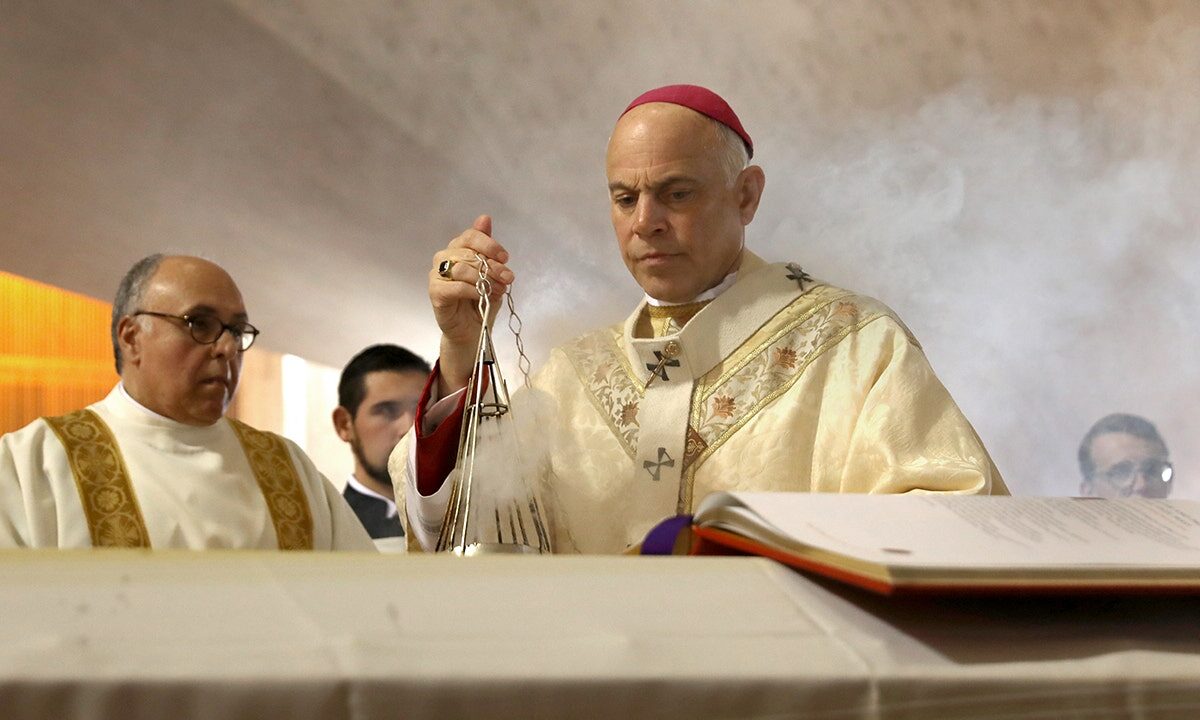
The San Francisco archdiocese settlement would pay $395 million to resolve roughly 530 lawsuits alleging clergy sexual abuse, according to the proposed deal announced by church and plaintiffs’ attorneys. The agreement, negotiated as part of the archdiocese’s bankruptcy case, includes personal apology letters from Archbishop Salvatore Cordileone and a package of transparency and child-protection reforms.
The proposal is subject to approval by the U.S. Bankruptcy Court overseeing the archdiocese’s bankruptcy proceedings. If the court confirms the plan, it would resolve numerous claims through the bankruptcy process rather than separate jury trials, according to filings and statements from lawyers involved in the case.
San Francisco archdiocese settlement summary
The proposed settlement would provide a combined $395 million to resolve claims brought by about 530 survivors who allege sexual abuse by clergy or other church officials. Negotiators say the plan pairs monetary compensation with nonfinancial measures designed to increase transparency and strengthen survivor support.
Archdiocese officials, in statements shared with the court and media, say they accept responsibility for past harms and are offering apologies as part of the resolution. Plaintiffs’ lawyers characterize the package as unusually comprehensive and say it is intended to impose lasting institutional reforms in addition to payouts.
Key terms and required reforms
Under the proposed terms, Archbishop Salvatore Cordileone would send a personal apology letter to each survivor covered by the settlement. The archdiocese would also be required to maintain and publicly update a list of clergy accused of alleged abuse and to disclose the outcomes of investigations where available, according to settlement documents and attorneys’ summaries.
A central term of the deal is a ban on confidentiality and nondisclosure agreements for survivors covered by the plan. Plaintiffs and advocates have said that prohibition is essential to ensuring survivors can speak about their experiences and to promoting transparency across the archdiocese, statements to the press indicate.
Who is covered and how payouts work
About 530 survivors would be eligible for compensation under the proposal. The plan does not guarantee identical payments for every claimant; trustees, claims administrators and negotiators anticipate distribution formulas and individual evaluations to determine awards based on factors such as the nature of the alleged conduct, supporting documentation and the claimant’s circumstances, as outlined in court filings submitted to the bankruptcy court.
Legal analysts and plaintiffs’ counsel have compared the package to other recent diocesan agreements in California. In 2024, the Archdiocese of Los Angeles reached an $880 million settlement to resolve a large wave of claims, showing a broader shift in how dioceses and bankruptcy processes are addressing alleged historical abuse, according to news reports and court records.
Court approval and legal background
The settlement remains subject to approval by the U.S. Bankruptcy Court overseeing the archdiocese’s case. The court will hold hearings, consider objections from creditors or claimants, and evaluate whether the plan is fair, equitable and feasible under bankruptcy law, as described in procedural guidance from the bankruptcy court.
Many of the suits stem from alleged incidents decades ago and were revived after a 2019 California law that temporarily allowed older claims to move forward. That change prompted a wave of filings across the state and led multiple dioceses to seek bankruptcy protection while negotiating global resolutions, according to court dockets and reporting from national news organizations.
Reactions and next steps
Archbishop Cordileone issued a prepared statement saying, “We believe this proposal provides a path toward fair compensation for survivors who have borne the weight of this abuse for a lifetime,” adding that the archdiocese “accept[s] full responsibility for what happened, and I sincerely apologize to all those who have been harmed.” That statement was provided to reporters and filed with the court.
Plaintiffs’ attorney Jeff Anderson called the settlement unprecedented in its combination of compensation and institutional reform, saying in a statement to the media that it “forces lasting institutional reforms” and offers a measure of accountability.
Lawyers for both sides will present the agreement to the bankruptcy court. If the judge confirms the plan, an appointed claims process will determine individual payouts and independent monitors named in the deal are expected to oversee the archdiocese’s compliance with reporting and reform obligations, per the settlement terms and filings referenced by counsel.
Timeline of key reforms
- Immediate: Archdiocese to commit to drafting and sending apology letters to each survivor covered by the plan, per settlement documents.
- Near term: Publication of a comprehensive list of clergy accused of alleged abuse, with disclosure of investigative outcomes where available, and mechanisms for regular updates.
- Ongoing: A ban on confidentiality agreements for covered survivors and continued public reporting on institutional reforms and child-protection measures as required by the settlement and monitored under court supervision.
Survivors’ representatives and advocacy groups said these steps are intended to create transparent accountability, while archdiocese officials have emphasized commitment to improved safeguards and survivor care. Both sides have indicated they will press the bankruptcy court to move through required steps on a timetable set by the court docket and procedural rules.
What comes next
Next steps hinge on the U.S. Bankruptcy Court’s review and approval of the settlement. The court will notify interested parties, accept and consider objections, and hold confirmation hearings as part of the standard bankruptcy confirmation process outlined in federal bankruptcy rules and the court’s local procedures.
If approved, administrators and independent monitors expected under the agreement will oversee the archdiocese’s compliance. Plaintiffs’ counsel have said they will seek strict enforcement and periodic reporting to ensure the reforms and transparency commitments are implemented fully and sustained over time.
The settlement carries broader implications for how dioceses in California and elsewhere address legacy claims, balancing substantial financial payouts with nonmonetary reforms meant to promote accountability and protect current and future parishioners, as noted by legal observers and in reporting on comparable diocesan resolutions.
Source: Associated Press; Fox News contributed to this report.